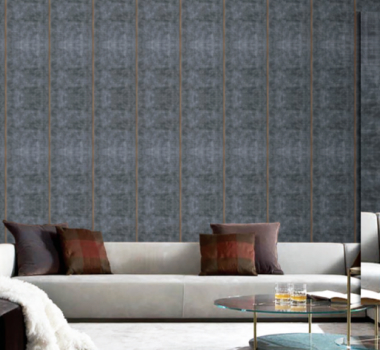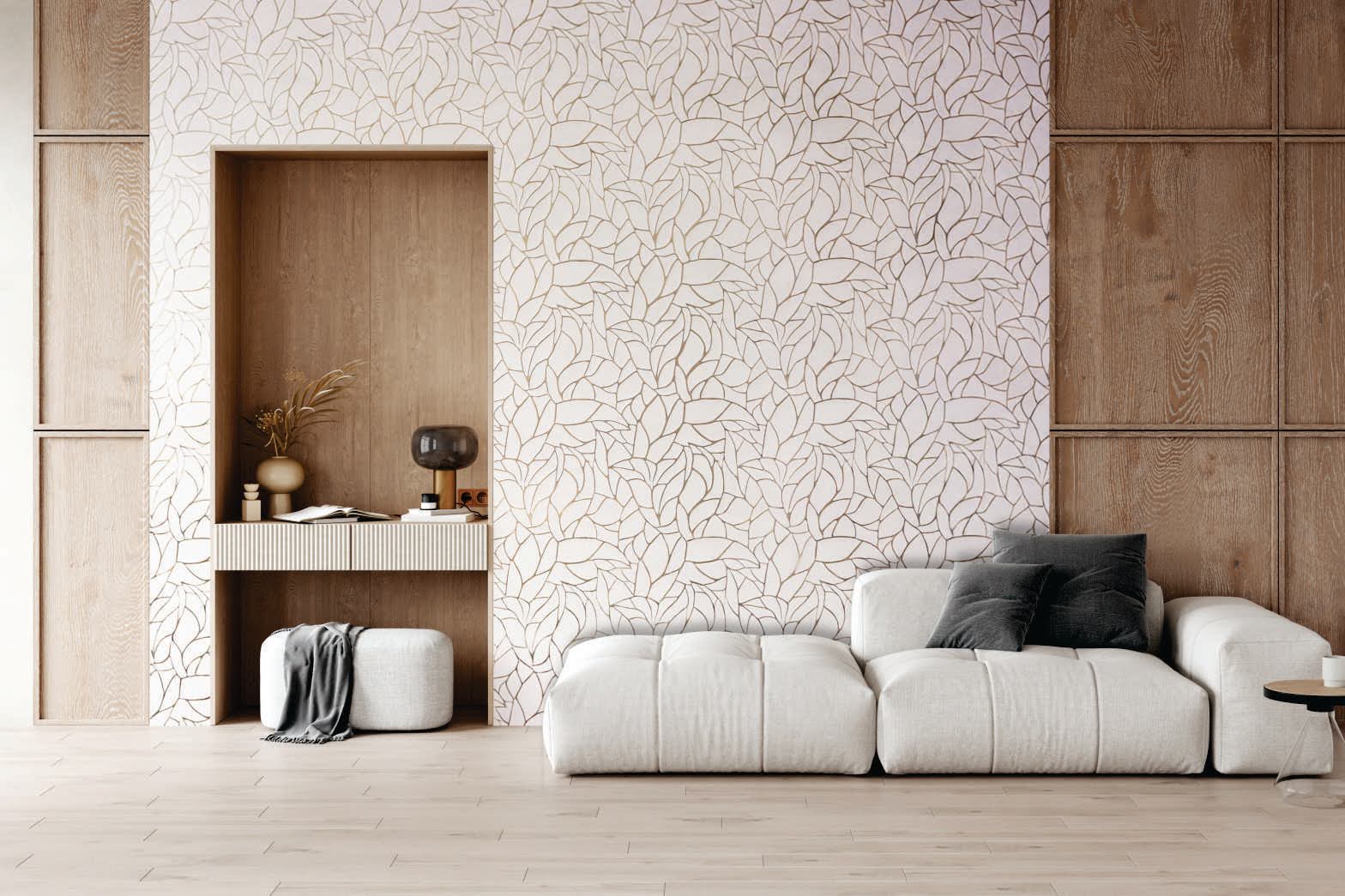
Your living room serves as the architectural heart of your home, demanding materials that balance aesthetics with long-term structural integrity. In 2026, the transition from traditional paints to high-performance decorative panels for interior walls has redefined the standards for luxury and durability.
Whether you are researching cladding living room ideas or seeking moisture-resistant interior design materials, choosing the best wall panels for living room applications requires a technical understanding of material composition and climate-specific performance.
Performance of Popular Wall Panelling Materials (2026)
|
Material
|
Best For |
Durability |
Fire Rating |
Est. Price Range (sq. ft.)*
|
|
Titan X
|
Luxury Curvature / Versatility |
Ultra-High |
Class B1 |
₹350 – ₹900
|
|
PVC Panels
|
Damp Walls / Budget |
Moderate |
Class B-s1, d0 |
₹70 – ₹150
|
|
WPC Louvers
|
High Traffic Areas |
High |
Class B1 |
₹180 – ₹450
|
|
Charcoal Panels
|
Accent Features |
High |
Varies |
₹250 – ₹800
|
|
MDF (Veneer)
|
Dry Aesthetics |
Medium |
Class C |
₹150 – ₹400
|
Modern Wall Panelling Designs for Living Room Decor
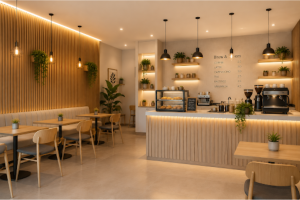
The 2026 design landscape focuses on Tactile Architecture. Modern wall panelling designs living room trends now prioritize interior decorative panels that offer depth and acoustic benefits rather than just visual appeal.
Contemporary Minimalist: Using Decorative Boards
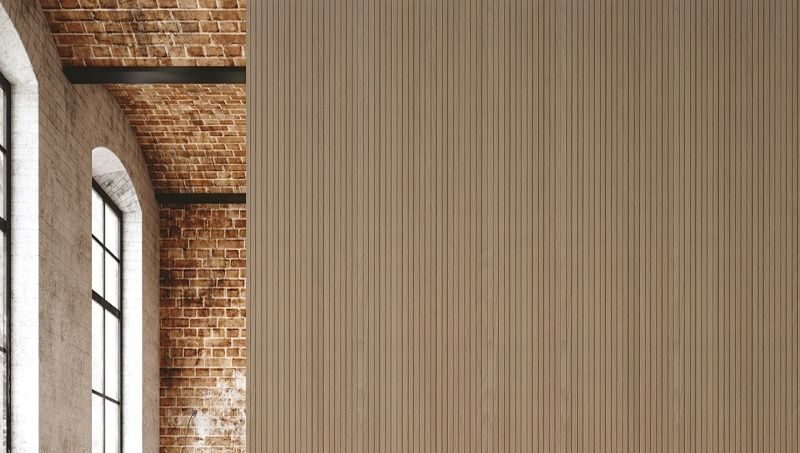
For a simple wall panelling design for the living room, the use of matte-finish decorative boards in neutral tones like sand and taupe is trending. These panels for the living room provide a sophisticated, non-reflective backdrop that enhances natural lighting and reduces visual fatigue by absorbing excess glare.
The Titan X Innovation: 360° Flexibility
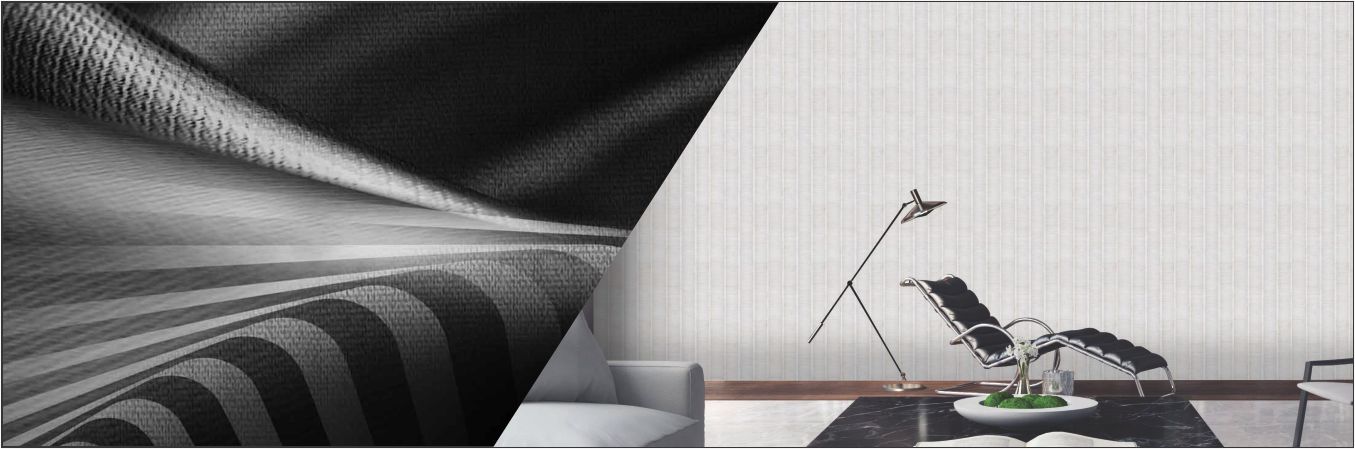
The most significant breakthrough in 2026 is the introduction of the Titan X series. Unlike traditional rigid boards, Titan X decorative panels offer 360-degree flexibility, allowing them to be seamlessly applied to curved walls, structural pillars, and even rounded furniture. These 2-foot-wide panels eliminate the unsightly joints common in standard installations, providing a continuous “infinite” finish that is highly sought after in premium Indian penthouses.
The Louver Revolution: Interior Decorative Panels India
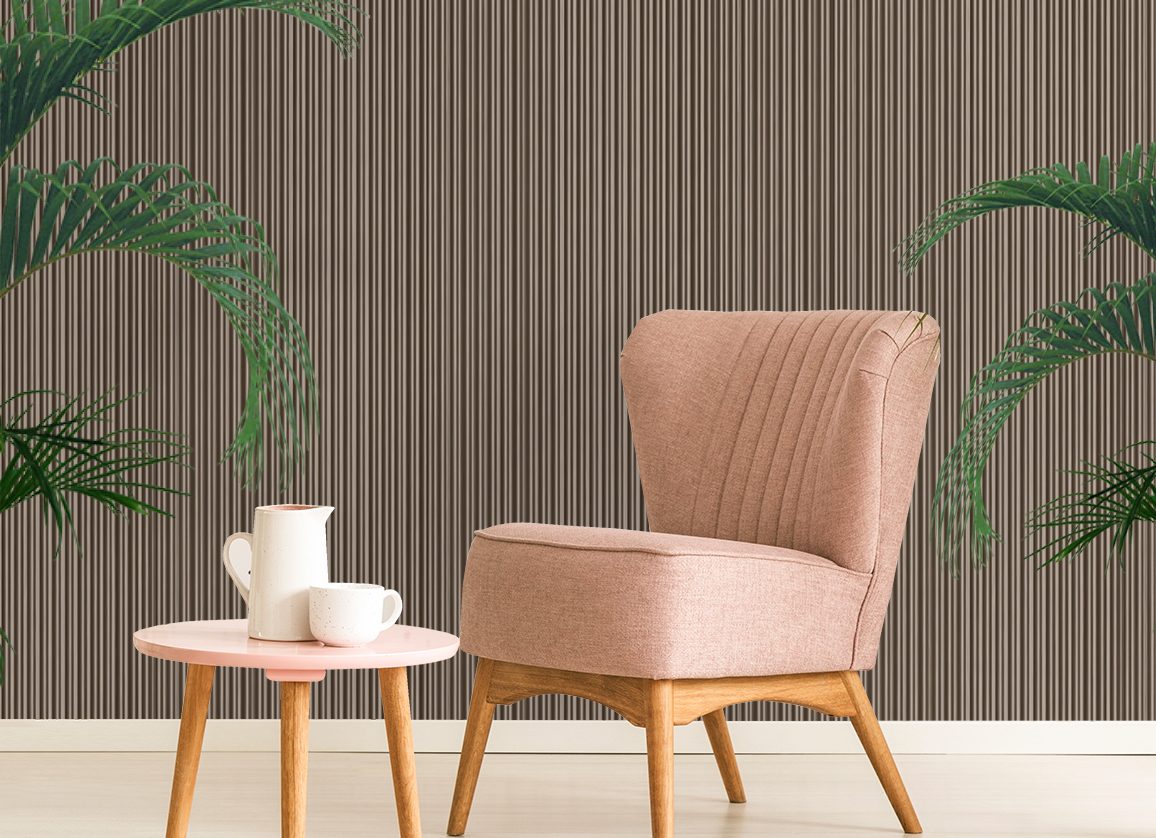
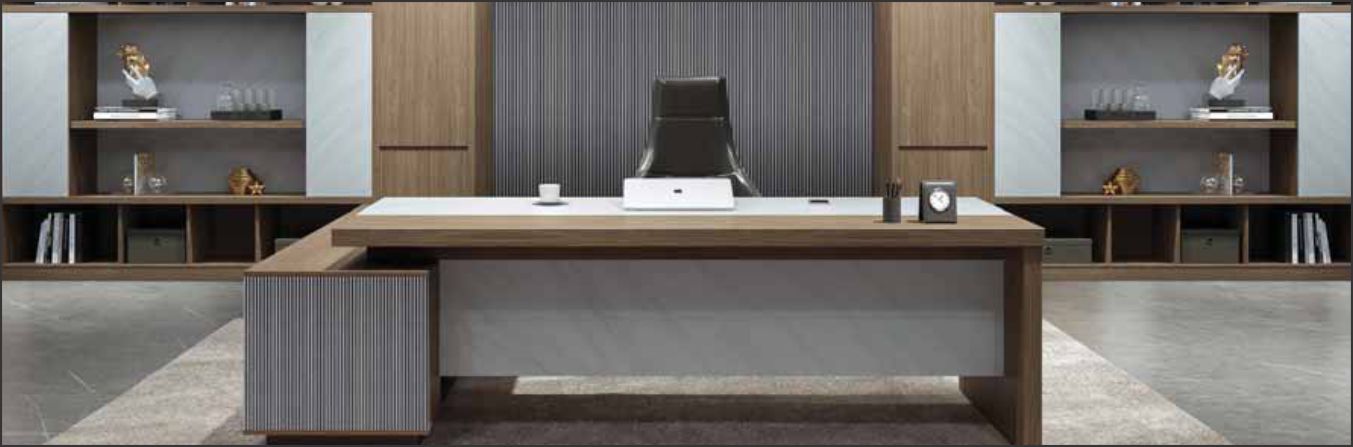
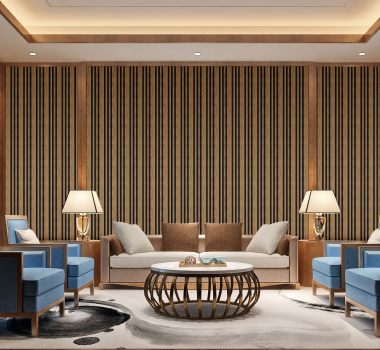
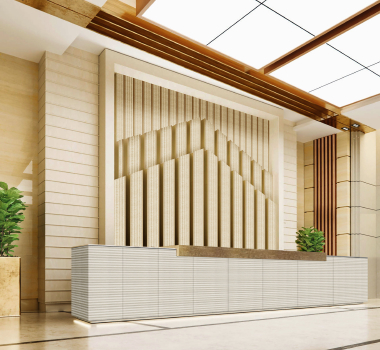
The Interior decorative panels India market has seen a massive surge in vertical slat demand. Utilizing an interior wall groove design with verticality helps elongate the room height. These interior decorative panels for living room focal points, such as TV units, provide a rhythmic, linear aesthetic that fits both modern and transitional Indian homes.
Material Analysis: Best Wall Panels for Living Room Applications
Selecting interior decorative panels depends on your local climate and the specific room’s moisture levels.
1. Charcoal Louvers
Increasingly specified for wall panel design for bedroom and living area projects. These are typically composed of polystyrene mixed with activated charcoal, making them highly resistant to termites and lightweight. However, while durable, they should not be exposed to direct, prolonged UV sunlight to prevent pigment degradation over time.
Further Reading : Charcoal Wall Panels: The Secret to Creating Captivating Spaces
2. Titan X vs. WPC
While WPC (Wood Plastic Composite) is a staple for impact resistance (density of $0.6$ to $0.8$ g/cm$^3$), Titan X elevates the category by utilizing high-grade polystyrene composites that are both moisture-proof and machinable. This means Titan X can be easily cut and grooved on-site without chipping, making it the preferred choice for complex interior wall groove designs.
Related Read : WPC Decking or PVC Decking: Which is the Better Choice for Your Home?
Top 10 Decorative Panel Styles for 2026
1. Titan X Stone & Metallic Finishes
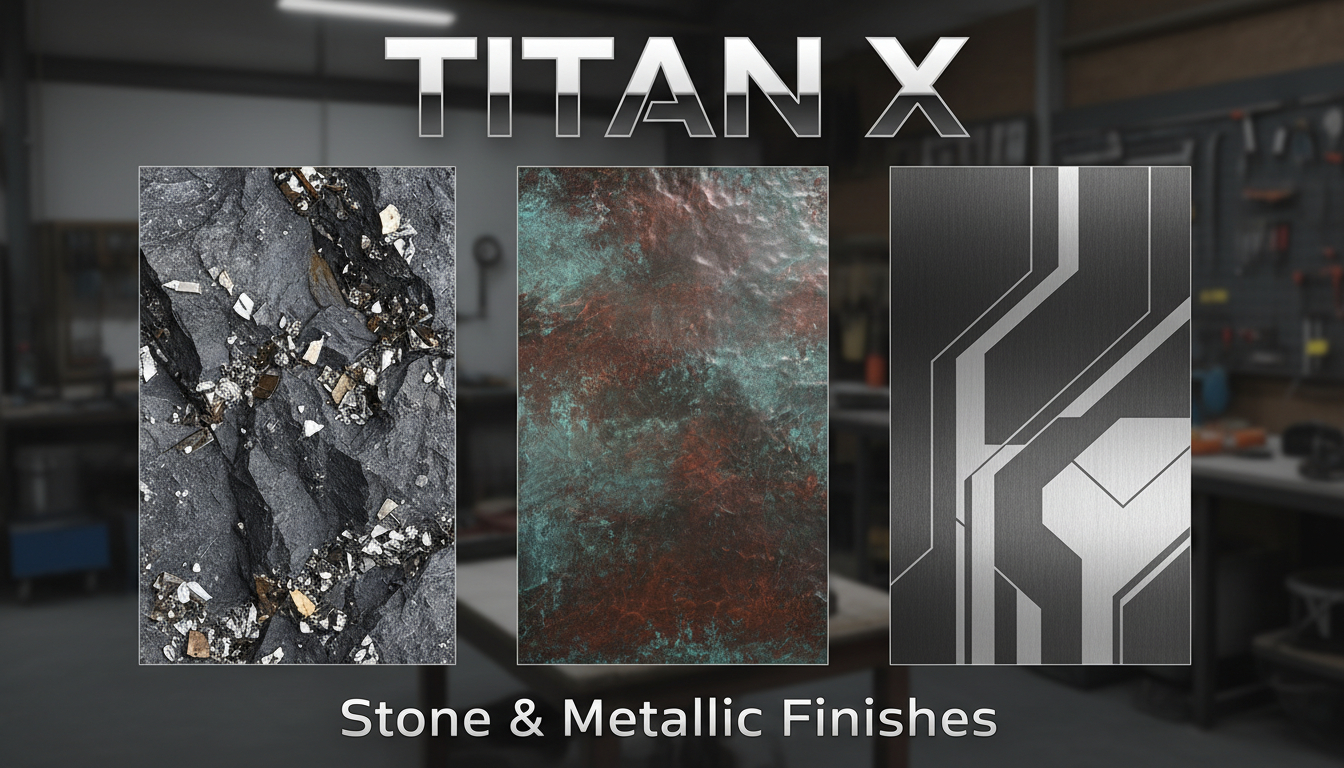
Offers 21+ designs ranging from Italian marble to brushed brass with a seamless curved application.
2. High-Definition Wooden Wall Panels
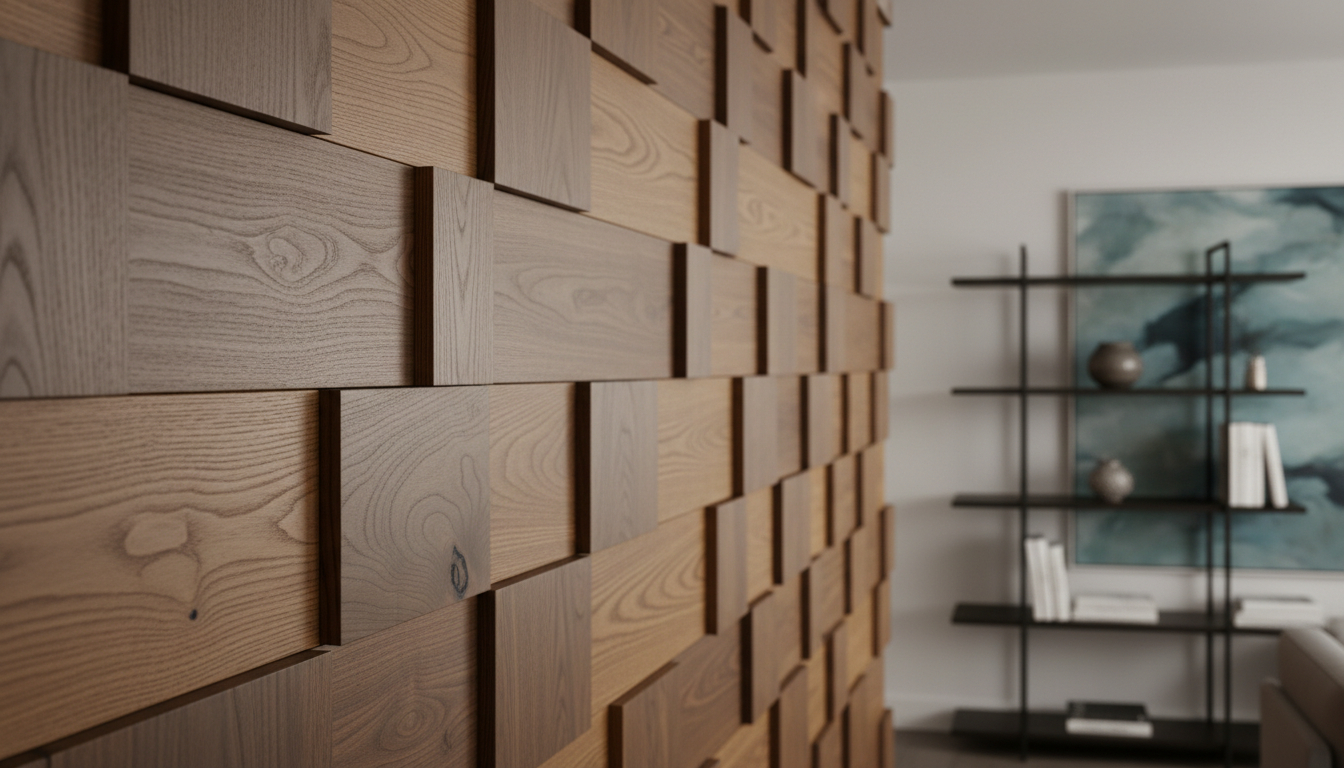
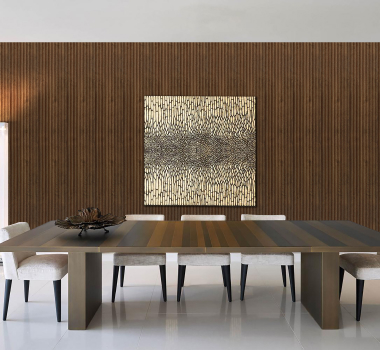
Natural oak or teak decorative panel options add warmth but require periodic maintenance to resist India’s humidity.
3. 3D Geometry and LED Integration
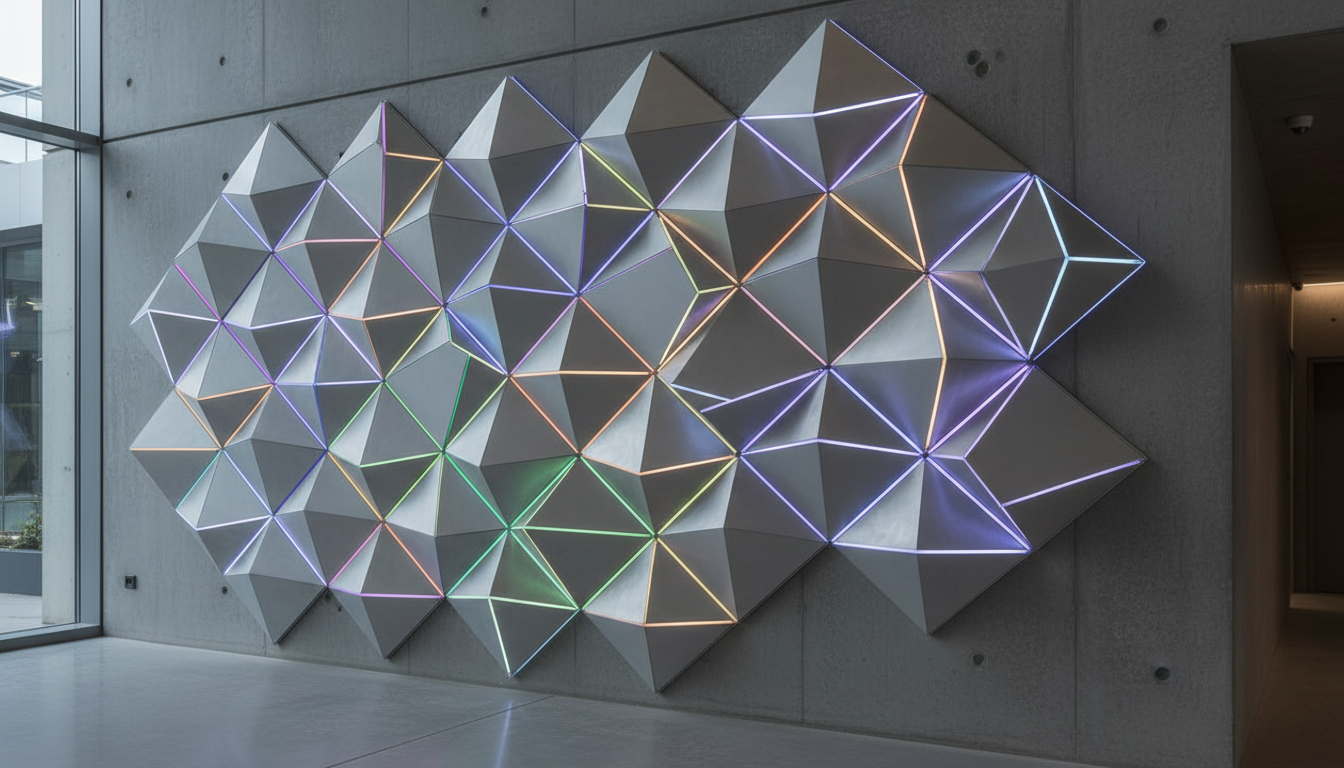
Decorative wall panels for living rooms with 3D wave patterns become architectural features when paired with 3000K LED strips.
4. Marble-Effect Polymer Slabs
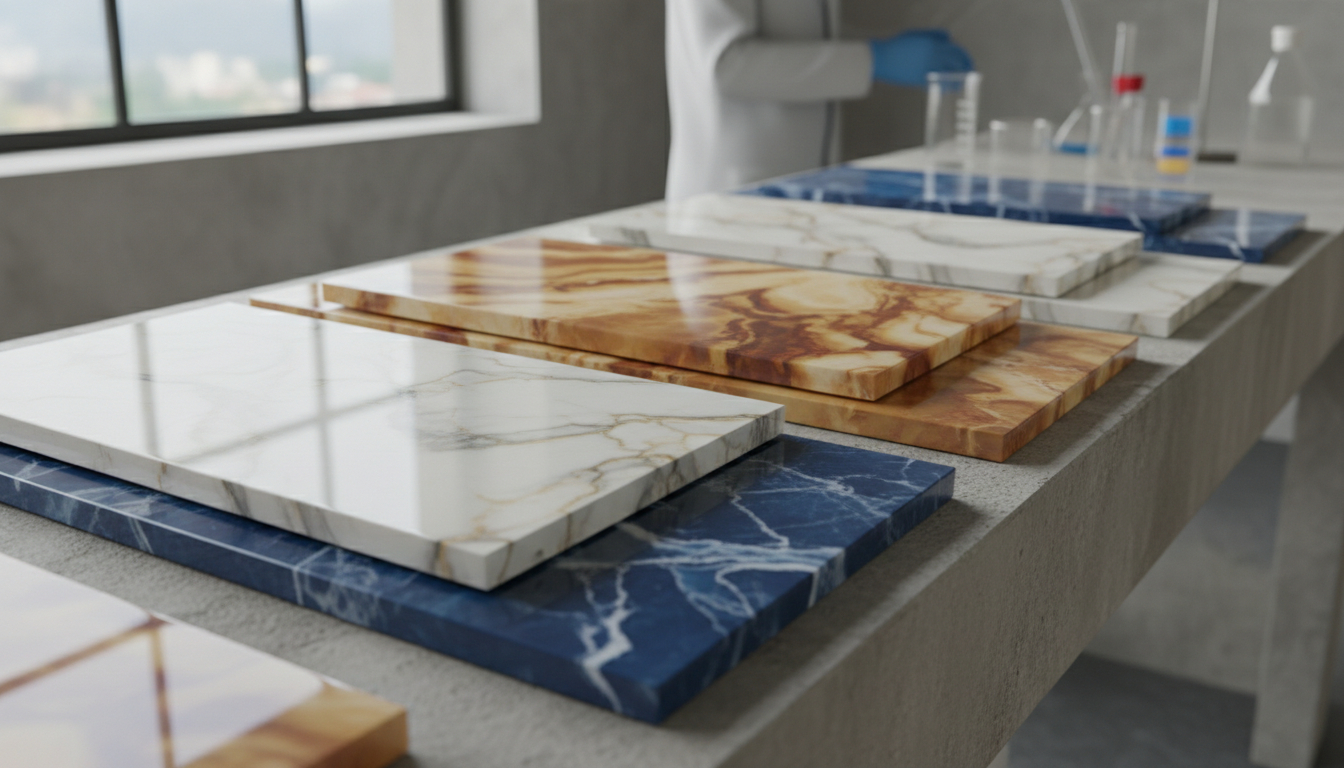
These offer a luxurious wall panelling design for living room spaces without the structural weight or porosity of natural stone.
5. Acoustic Fabric Panels
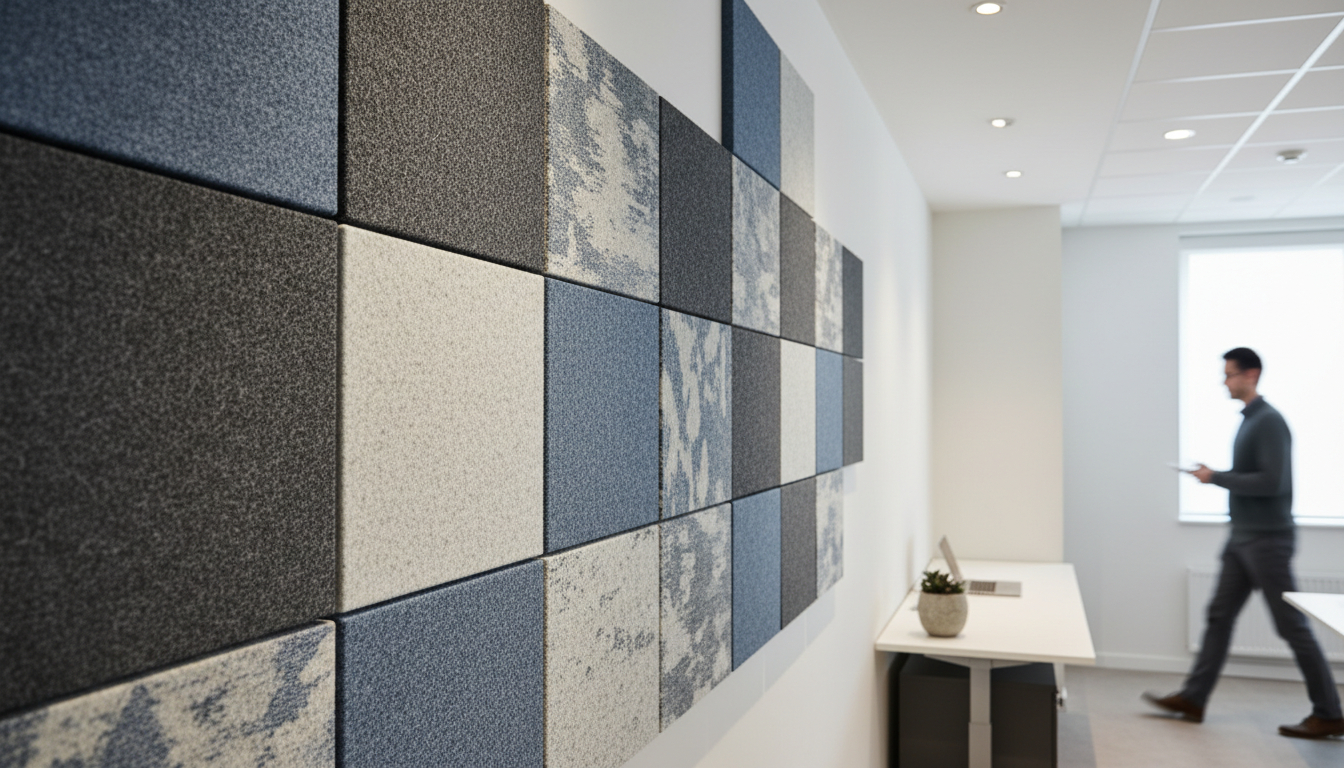
Ideal for wall panel design for bedroom or home theatre zones; these interior decorative panels absorb sound but may accumulate dust in high-pollution urban environments.
6. Industrial Brick-Style Panels 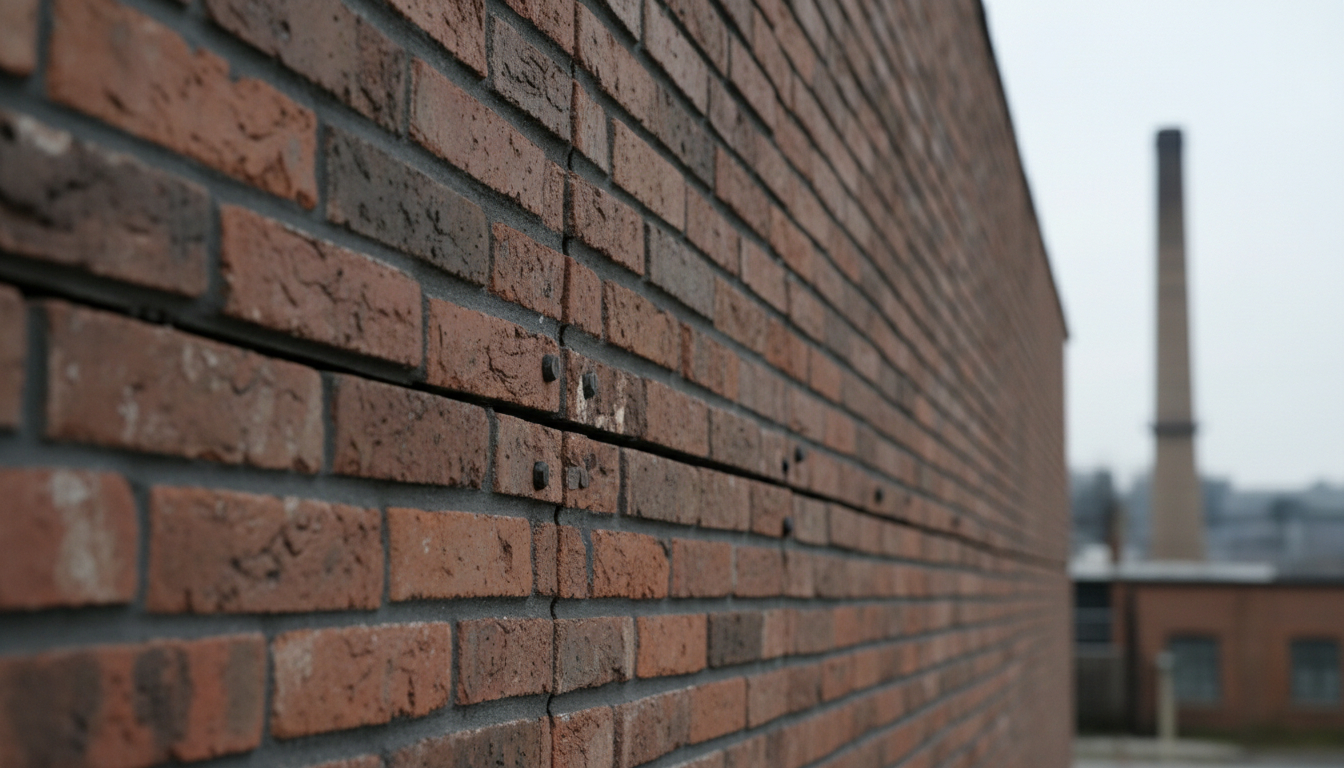
Lightweight decorative boards that replicate masonry; perfect for a modern wall panelling designs living room aesthetic.
7. Reflective Metallic Paneling
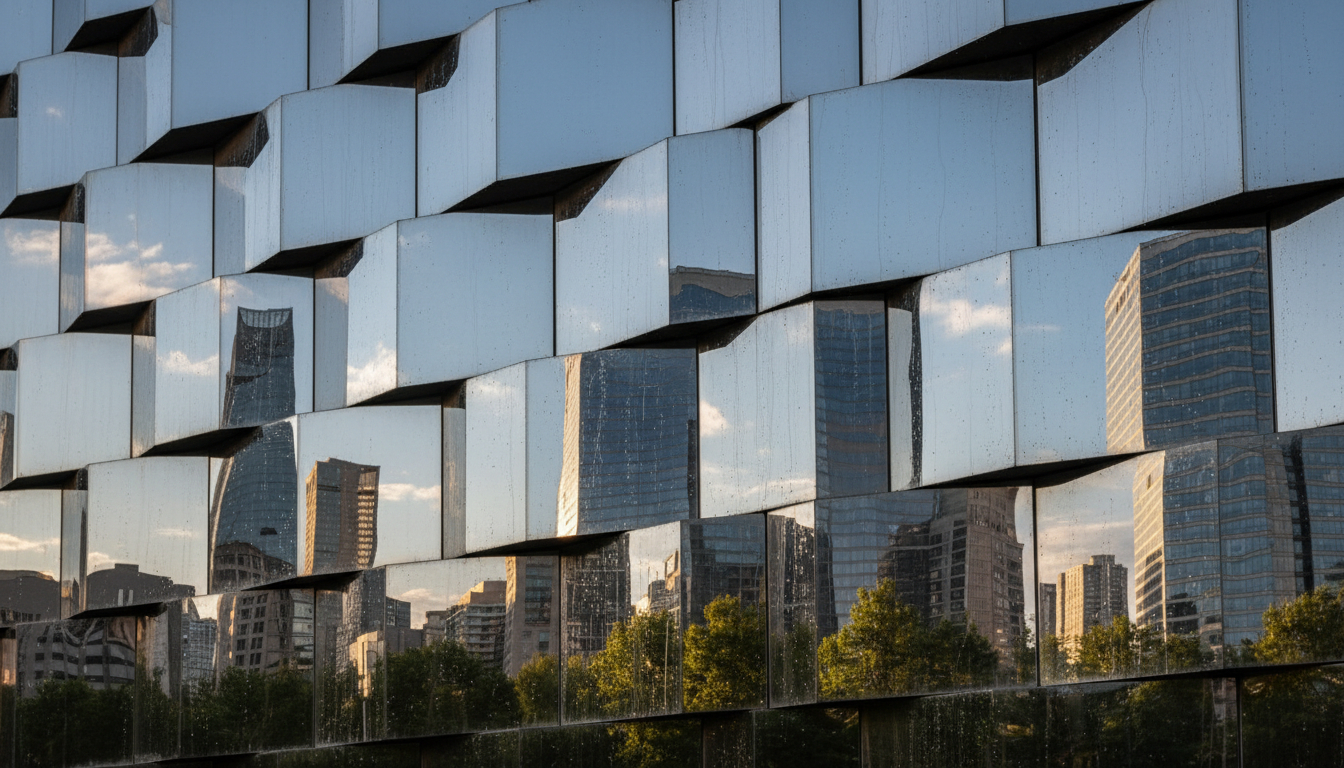
Aluminum or brass-finished interior decorative panel inserts that make small living rooms appear larger through light reflection.
8. Fluted Glass Panels
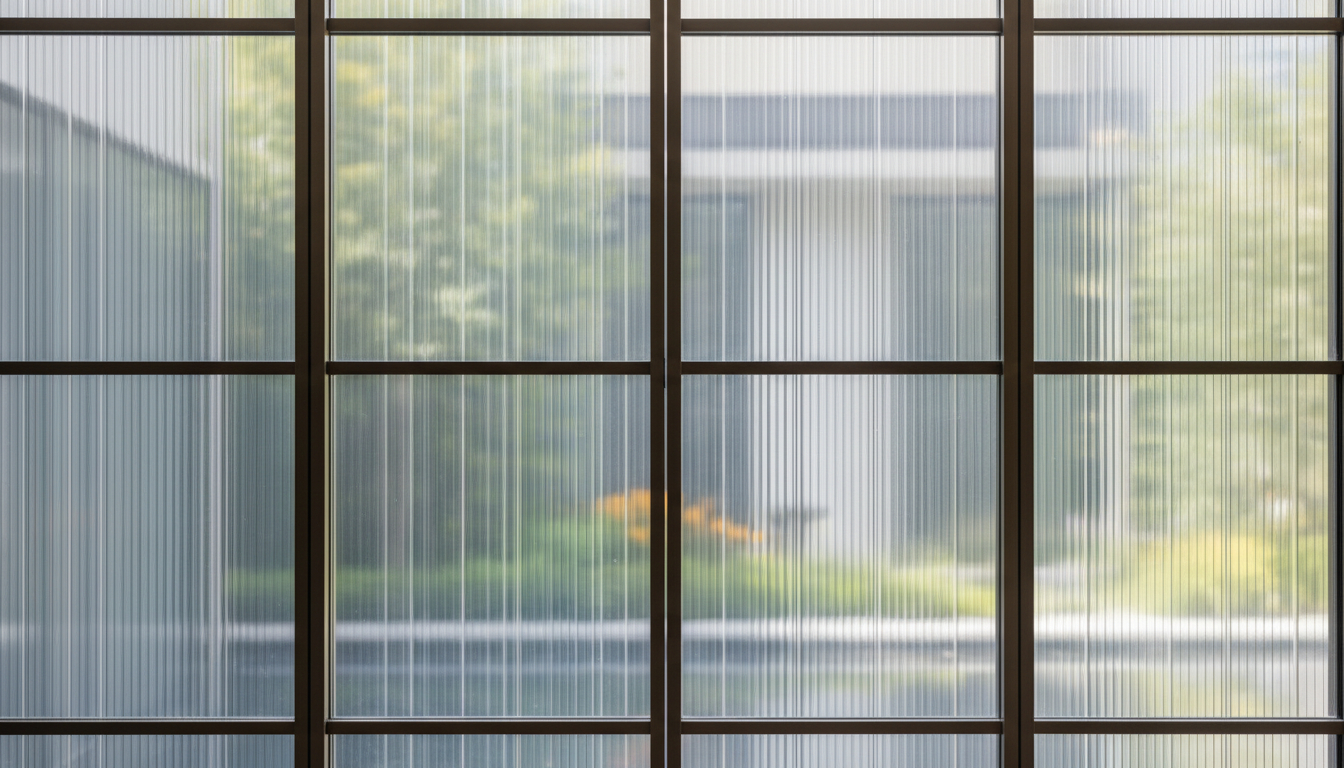
Provides a chic, airy feel; often used in interior wall groove design to create semi-private partitions.
9. Classic Wainscoting
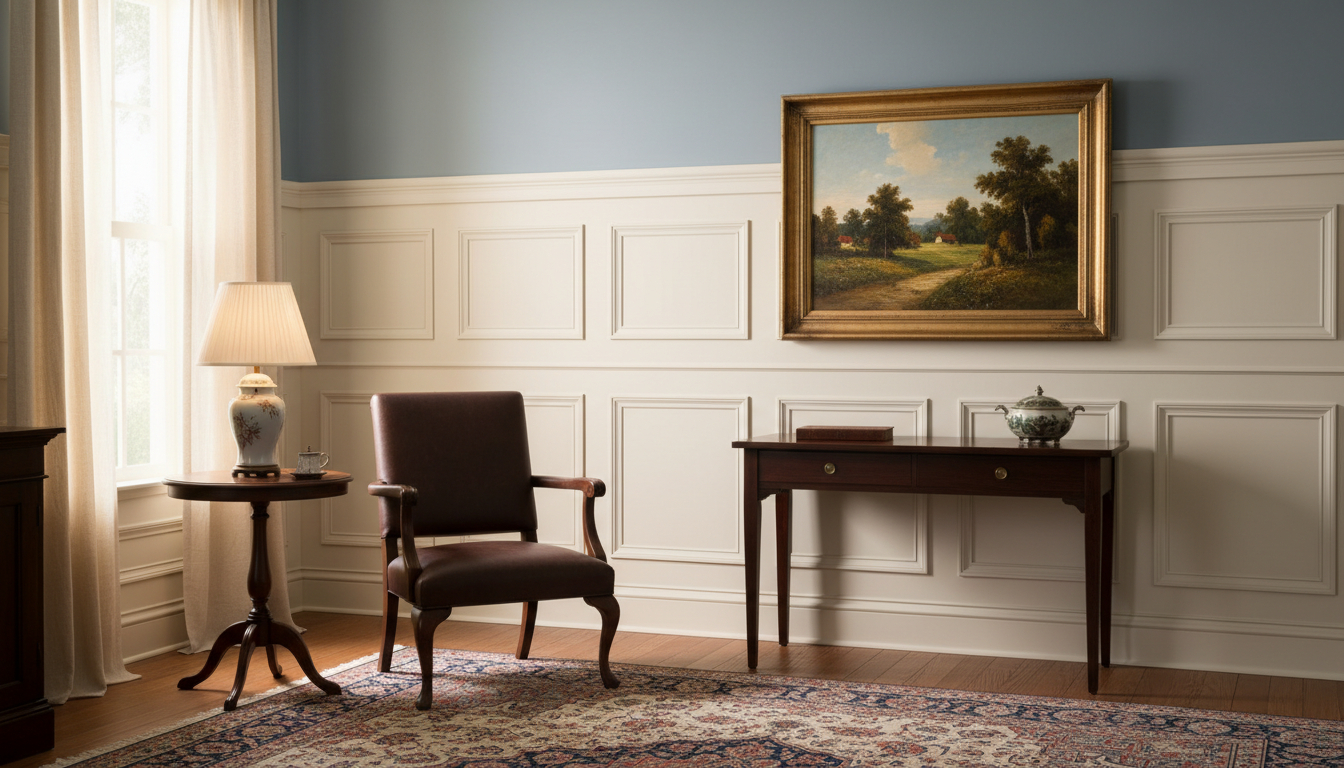
A simple wall panelling design for living room tradition; using MDF or PVC at the lower third of the wall to protect against furniture scuffs.
10. Eco-Friendly Bamboo Surfaces
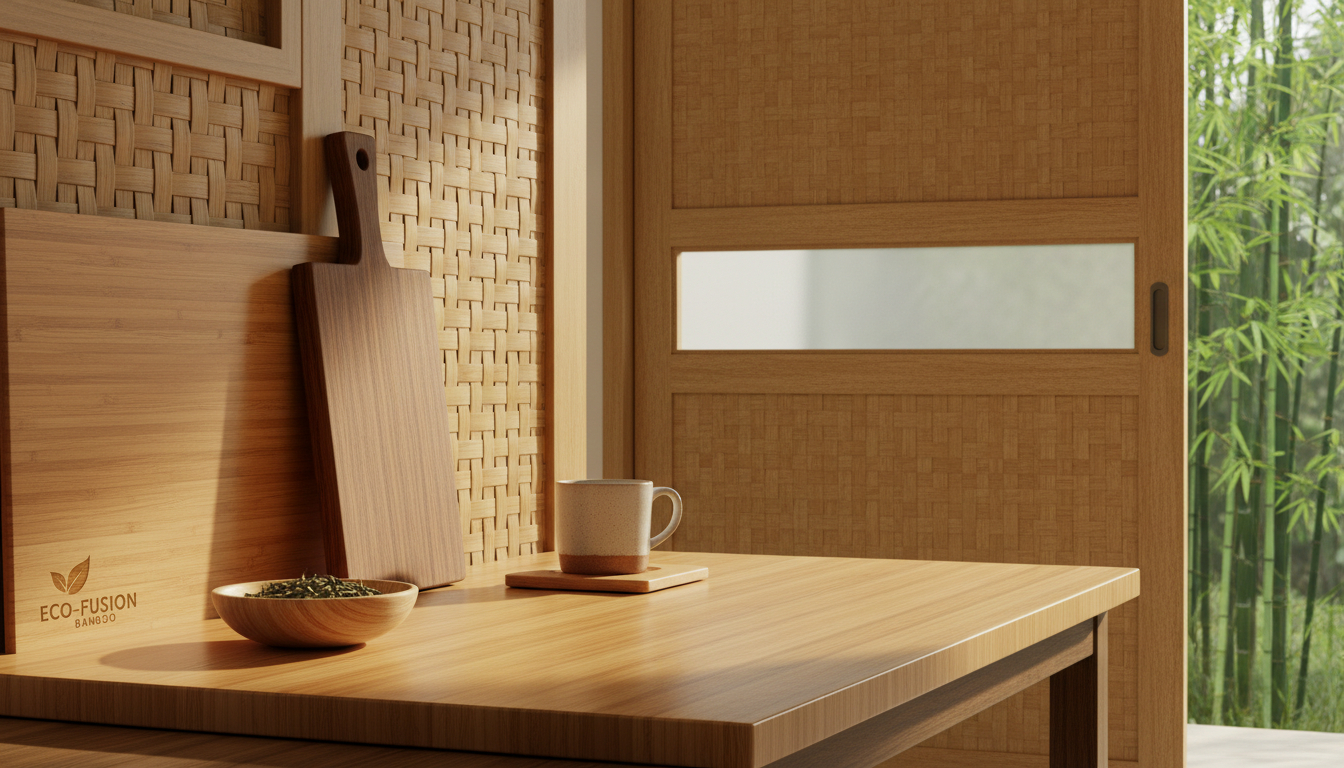
Highly sustainable eco friendly wall materials; however, ensure they are borate-treated to prevent infestation by powder-post beetles, common in tropical climates.
Sustainability and Technical Specifications
As a Director of Product, I emphasize that 2026 consumers prioritize health. Most premium interior decorative panels, including the Titan X range, are now manufactured using recycled polymers. When selecting options, ensure they meet E0 or E1 formaldehyde emission standards ($\le 0.5$ mg/L) to maintain indoor air quality.
Pro Tip: For residential interiors, a simple wall panelling design using deep U-grooves creates a shadow-gap effect highly prized in contemporary luxury.
Strategic Groove Designs
While interior wall groove design focuses on aesthetics and dust-resistance, exterior wall groove design requires UV-stabilized materials like High-Pressure Laminates (HPL). For residential interiors, a simple wall panelling design for living rooms using deep U-grooves creates a “shadow-gap” effect highly prized in contemporary luxury.
Choosing the Right Wall Panel for Your Living Room
Your living room serves as the architectural heart of your home, demanding materials that balance aesthetics with long-term structural integrity. In 2026, the transition from traditional paints to high-performance decorative panels for interior walls has redefined the standards for luxury and durability.
Whether you are researching cladding living room ideas or seeking moisture-resistant interior design materials, choosing the best wall panels for living room applications requires a technical understanding of material composition and climate-specific performance.
Also Read : Decorative Planks
Conclusion
Choosing the right interior decorative panels for your living room is no longer just a cosmetic decision but a long-term investment in your home’s structural health and aesthetic value. By prioritizing materials that offer a balance of fire safety, low VOC emissions, and moisture resistance, you ensure a living space that is both beautiful and safe.
Whether you opt for the rhythmic elegance of an interior wall groove design or the sustainability of eco-friendly wall materials, the key lies in selecting high-specification products that stand the test of India’s unique climate.
Frequently Asked Questions
1. Are interior decorative panels safe for indoor use?
Yes, provided they meet E1 or E0 emission standards. High-quality decorative wall panels for living rooms should ideally be fire-retardant; look for a Class B1 (hardly combustible) rating under GB 8624 or equivalent European standards (B-s1, d0) for residential safety.
2. What is the best solution for damp walls?
For persistent dampness, PVC and WPC interior decorative panels are highly effective. Unlike wood, these eco-friendly wall materials do not support fungal growth. They are the most effective cladding living room ideas for coastal regions.
3. Can I install these over existing tiles?
Yes, most decorative panels for interior walls can be installed over tiles using high-bond structural adhesives. However, for a high-end wall panel design for the bedroom, we recommend checking wall plumbness; if the wall is uneven, a secondary aluminum framework is required to ensure a perfectly flush finish.
4. How do I maintain these panels in a dusty urban environment?
Most modern panels, especially WPC and PVC, require only a damp microfiber cloth for cleaning; however, deep interior wall groove designs should be vacuumed monthly with a soft brush attachment to prevent particulate buildup.
5. How long does a typical living room installation take?
Depending on the complexity of the wall panelling designs for the living room, a standard 10×10 foot accent wall can typically be completed in 1 to 2 working days, significantly faster than traditional stone cladding or complex masonry.
6. Are decorative panels cost-effective compared to luxury paint?
While the initial investment in decorative wall panels for living rooms is higher than paint, their 10–15 year lifespan and resistance to seepage make them more cost-effective over a 5-year cycle by eliminating the need for frequent repainting .
7. Is Titan X suitable for bathrooms?
Yes. Because Titan X is polystyrene-based, it is 100% moisture-resistant and will not warp or swell, making it ideal for both luxury living rooms and high-end wet areas.
8. What is the best solution for damp walls?
For persistent dampness, PVC, WPC, and Titan X panels are highly effective. Unlike wood, these materials do not support fungal growth.
9. How long does a typical installation take?
Standard panels take 1–2 days. However, Titan X can often be installed faster because its 2-foot width covers more surface area per panel with fewer joints to align.
Manish Maheshwari
Position: Founder – Ventura International Pvt Ltd.
Education: IIT Roorkee (B.E. – Mechanical Engineering) and IIM Lucknow (Marketing & Finance)
Manish Maheshwari, the visionary Co-founder of Ventura International. With a background in Engineering from IIT Roorkee and an MBA from IIM Lucknow, his expertise spans across Finance, Economics, and Strategy. At the helm of Ventura’s vision, Manish leads the charge in planning and executing strategies for growth and innovation. His unwavering passion ensures that Ventura sets the bar high, always striving for unparalleled excellence.