12 Factors to Consider When Choosing Exterior Wall Cladding
The exterior of a building does more than create a first impression. It acts as the first line of defense against weather, temperature changes, moisture, and everyday wear. As architectural
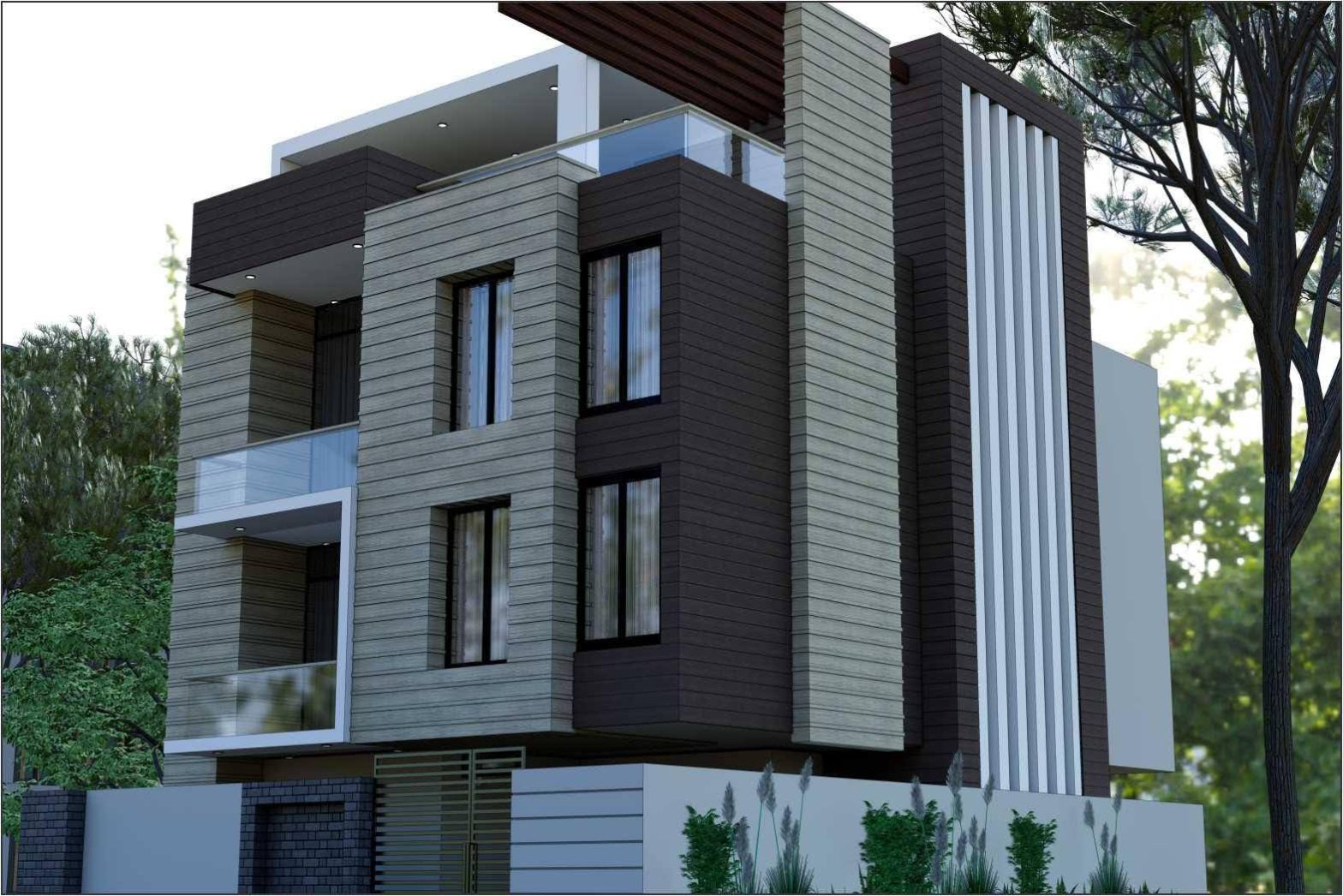
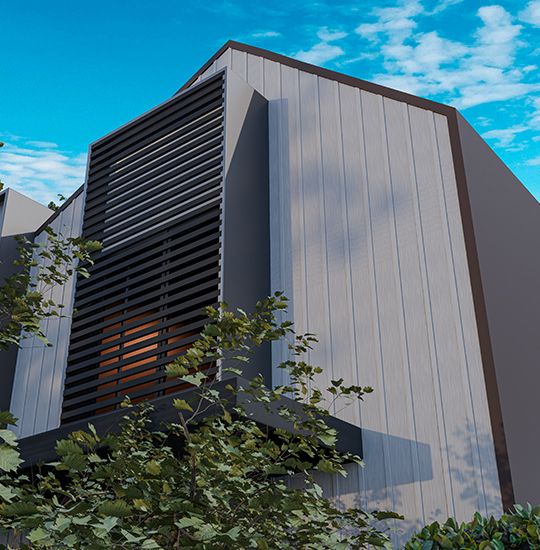
Exterior wall cladding is an external layer applied to buildings that protects walls from weather, enhances aesthetics, and improves indoor comfort. It acts as a barrier against heat, cold, and noise, making interiors more energy-efficient and quieter. Beyond protection, cladding adds texture, depth, and visual appeal, helping modern buildings achieve a polished and contemporary look.
Ventura offers a range of high-quality cladding solutions designed to combine durability, low maintenance, and design flexibility. Their products, including Legnoklad Plus, Legnoklad Duo, Legnoklad Alpha, and Techklad, provide wood-like finishes, ventilated systems, and modern aesthetics, making it easier for architects and homeowners to create exteriors that are stylish, functional, and long-lasting.
Exterior wall cladding is a protective and decorative layer applied to building exteriors to improve durability, comfort, and visual appeal. Among the various cladding options, exterior planks have emerged as a preferred choice for their seamless finishes, natural textures, and long-term performance.
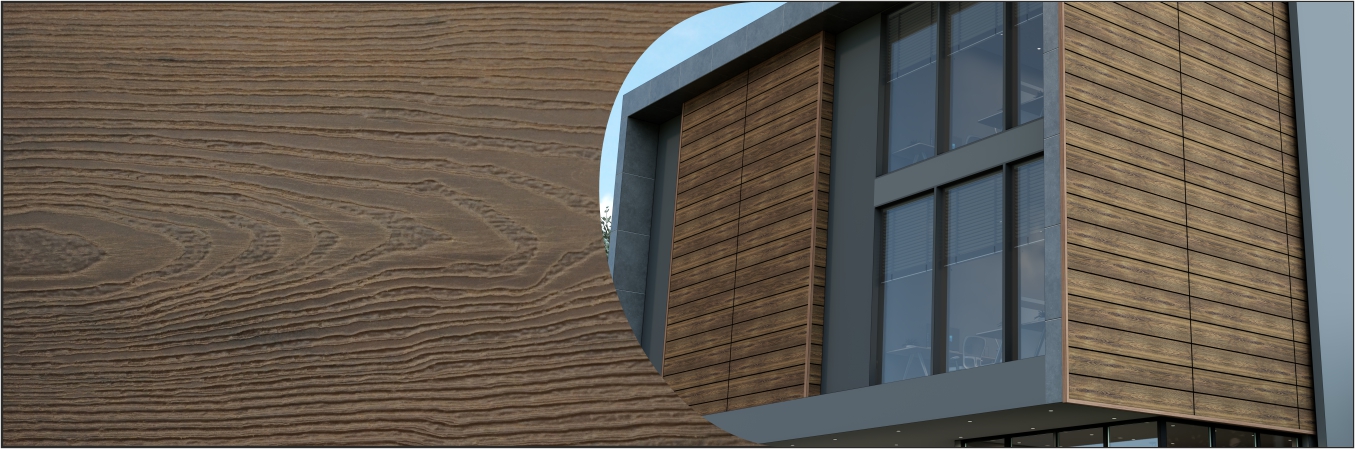
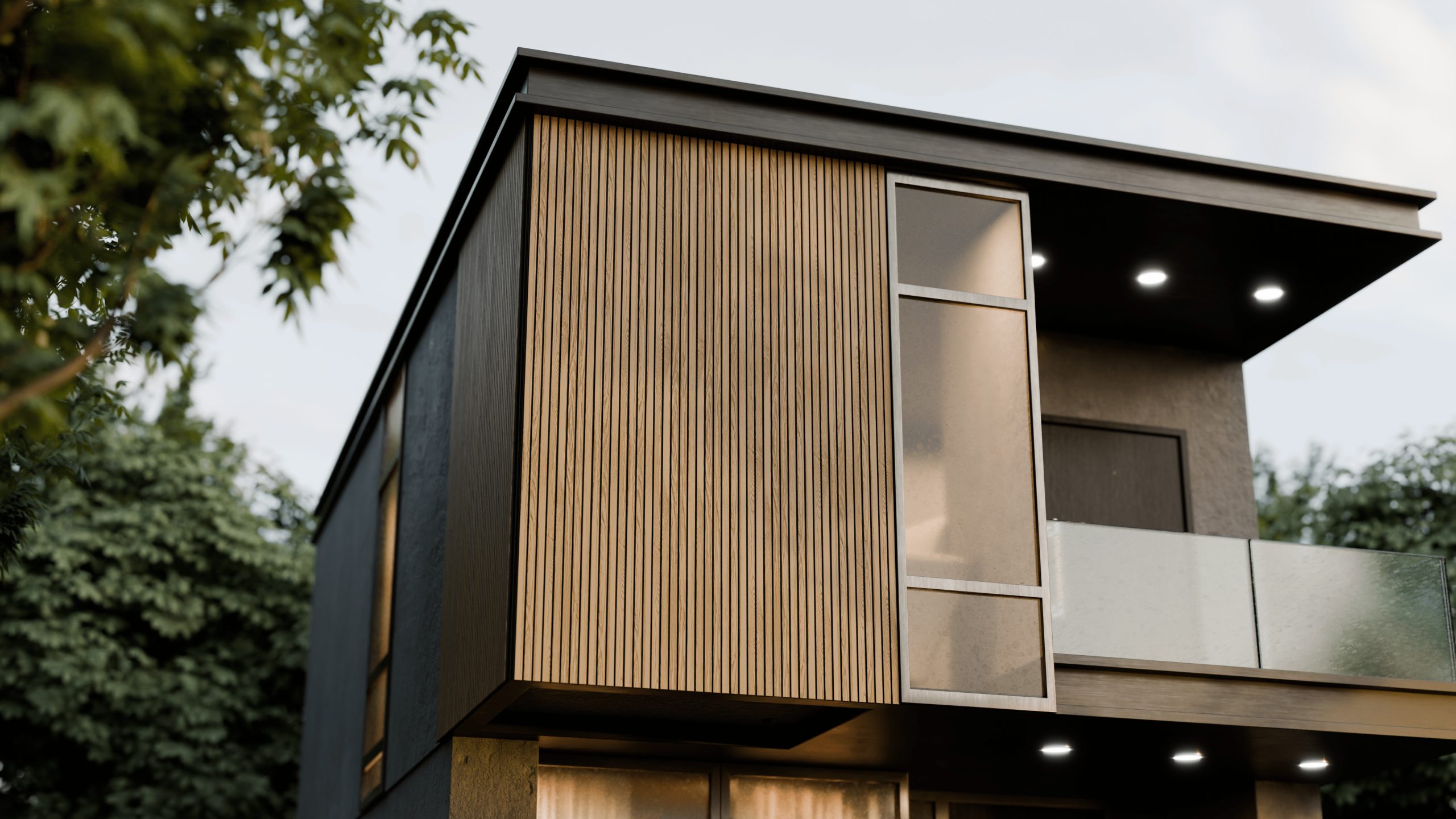
Exterior planks shield walls from sun, rain, wind, and temperature changes while enhancing thermal and acoustic performance. Ventilated plank systems allow airflow behind the façade, reducing heat accumulation and preventing moisture-related issues. With a range of textures, finishes, and installation options, exterior planks offer a low-maintenance, modern solution that elevates a building ‘s overall design.
Exterior Plank Cladding Offers Multiple Performance Benefits:
By combining thermal and acoustic benefits, exterior plank cladding not only improves comfort but also contributes to energy efficiency, reducing reliance on air conditioning and heating systems.
Exterior planks act as an insulating layer, preventing direct heat transfer between the exterior and interior walls. Ventilated plank systems enhance airflow behind the façade, reducing heat accumulation and improving overall energy efficiency.
The dense composition of exterior planks absorbs sound, reducing the intrusion of external noise. This creates a more peaceful and comfortable environment in residential complexes, offices, and commercial buildings.
Choosing the right cladding material is essential for durability, aesthetics, and climate adaptability.
Stone cladding provides natural textures, excellent weather resistance, and long-lasting durability. It is often used for traditional and contemporary designs and is especially suited for feature walls and premium façades.
Wood-Plastic Composite (WPC) exterior planks combine the warmth of wood with the performance of modern materials. WPC is termite-resistant, lightweight, and highly durable, making it ideal for ventilated façades and low-maintenance exteriors.
Related Read : WPC Wall Cladding: Tailoring Solutions for Homes and Businesses
High-Pressure Laminates (HPL) and Aluminium Composite Panels (ACP) offer sleek finishes and weatherproofing but may not provide the natural textures, insulation benefits, or longevity of WPC exterior planks.
Ventura offers a range of exterior plank solutions designed to combine durability, aesthetics, and low maintenance.
Key Products Include:
These options allow architects and homeowners to create stylish, long-lasting, and energy-efficient building exteriors.
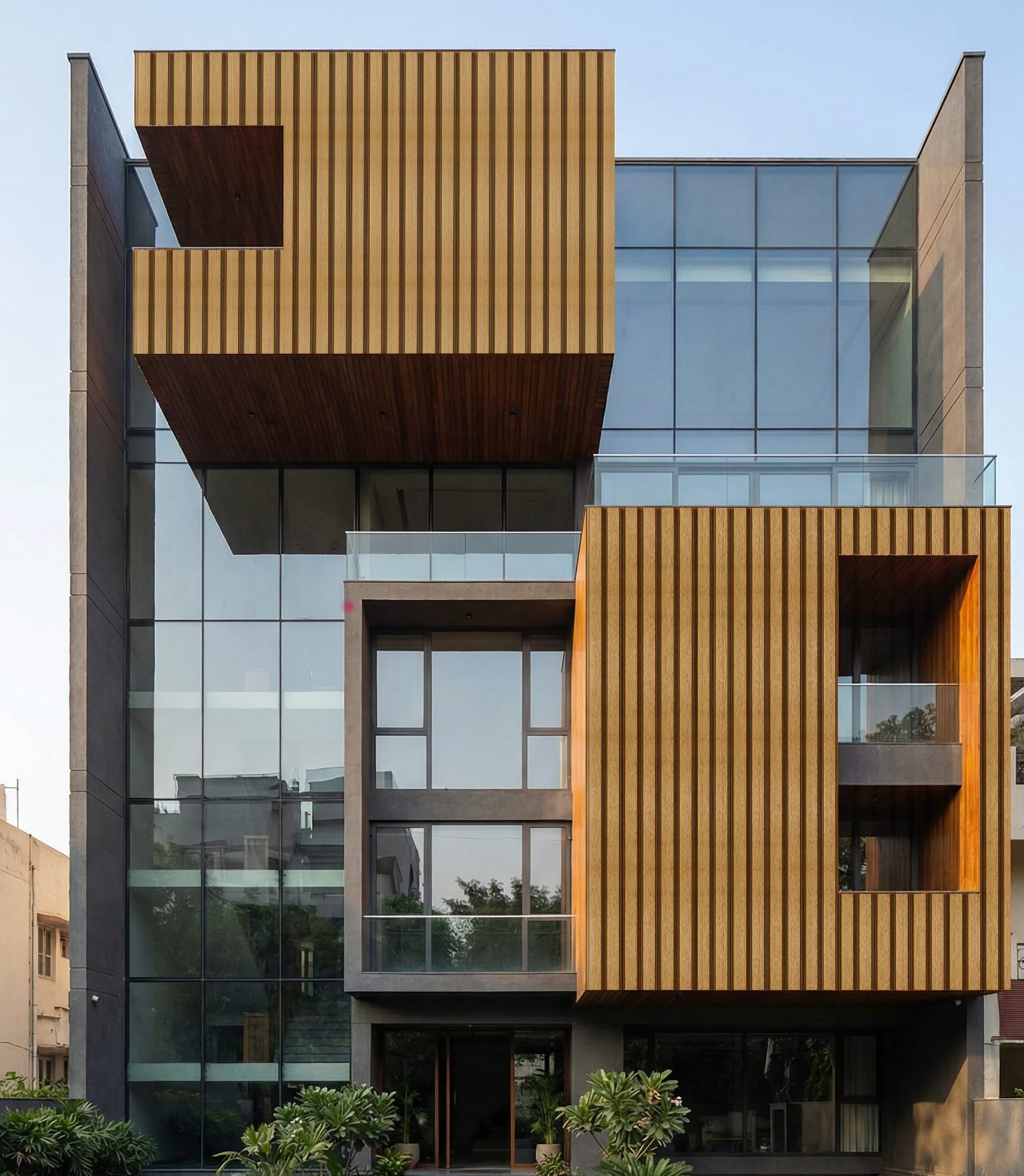
Exterior wall cladding tiles offer a versatile and stylish way to enhance building façades, combining durability, easy maintenance, and a range of design options to suit modern architecture.
Types of Tiles: Ceramic, porcelain, and WPC-based tiles offer modular designs, textures, and colors for exterior use.
Popular Applications: Residential façades, commercial buildings, balconies, and feature walls.
Style Advantages: Tiles allow creative patterns, clean lines, and modern textures, making façades visually appealing while remaining durable and easy to maintain. Exterior planks, in particular, create a seamless look that combines aesthetic appeal with functional benefits.
Modern exterior wall cladding design trends focus on combining aesthetics, functionality, and sustainability to create façades that are stylish, durable, and energy-efficient.
Proper installation and maintenance ensure longevity and performance:
Also Read : WPC Decking: Complete Guide to Benefits, Uses, and Maintenance Guide
Exterior wall cladding using planks enhances both the functionality and appearance of buildings. It improves thermal insulation, reduces noise, and adds design depth to façades. Ventura’s exterior plank solutions combine durability, low maintenance, and wood-like aesthetics, ensuring energy efficiency, acoustic comfort, and long-lasting appeal. With thoughtfully designed exterior planks, buildings achieve modern, stylish façades that are functional, resilient, and visually striking for years to come.
Exterior wall cladding is a protective and decorative layer applied to walls. It protects buildings from the elements, improves insulation, reduces noise, and enhances the visual appeal of façades.
Cladding acts as an additional layer that minimizes heat transfer and absorbs external noise. It helps maintain comfortable indoor temperatures and improves energy efficiency in both residential and commercial buildings.
WPC planks and stone cladding are ideal for Indian conditions. They resist heat, moisture, and pests while remaining low-maintenance and durable, suitable for a wide range of residential and commercial projects.
High-quality cladding materials meet stringent fire safety and weather-resistance standards. They protect walls from rain, wind, and extreme temperatures while ensuring safety and long-lasting performance.
Exterior cladding requires minimal maintenance. Regular cleaning and inspection every 6–12 months helps prevent damage, ensure thermal and acoustic performance, and keep façades looking fresh and durable.

The exterior of a building does more than create a first impression. It acts as the first line of defense against weather, temperature changes, moisture, and everyday wear. As architectural
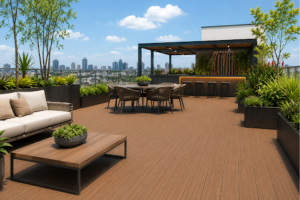
Step onto a well-designed balcony or rooftop terrace, and it instantly feels like an extension of the living space rather than just an outdoor area. As more homeowners and designers
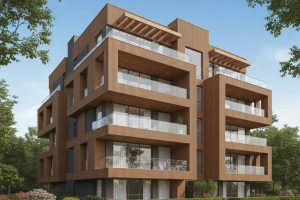
Choosing the right exterior wall cladding is more than a design decision because it affects protection, insulation, and the long-term durability of your property. Cladding acts as a barrier against
When you’re building or renovating a home, the exterior deserves just as much thought as the interior. It’s the first thing anyone notices, and it plays a big part in
Outdoor spaces deserve as much attention as interiors, yet traditional wood decking often struggles to stand the test of time. Constant exposure to moisture, sunlight, and temperature changes can cause
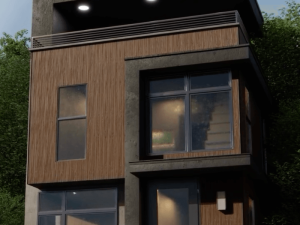
Cladding made from timber reflects a classic and artistic design choice for building facades. It is a construction material that beautifully combines natural appeal, warmth, and strength while providing insulation
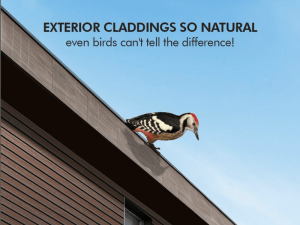
With regards to aesthetics and keeping the building structure in its best & pristine condition, Exterior Cladding is considered to be one of the most crucial components. Whether it is