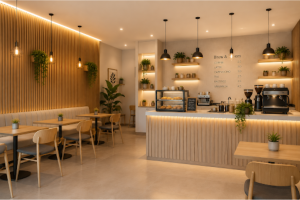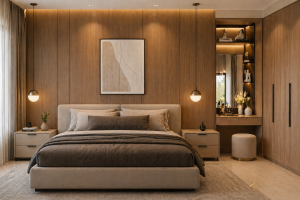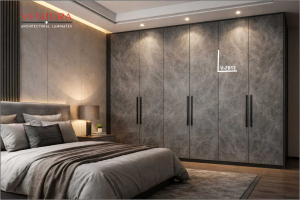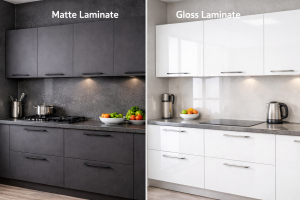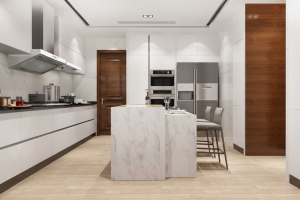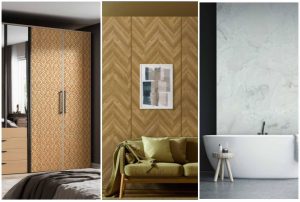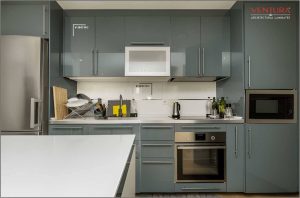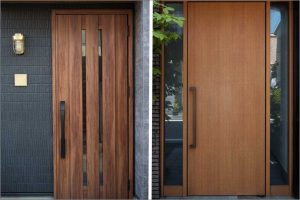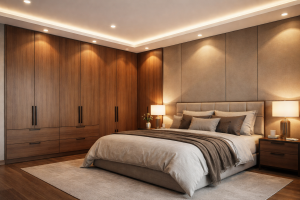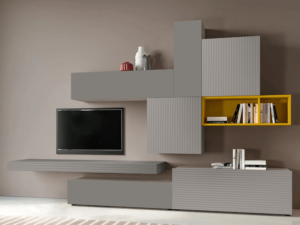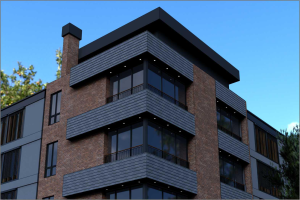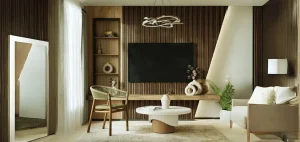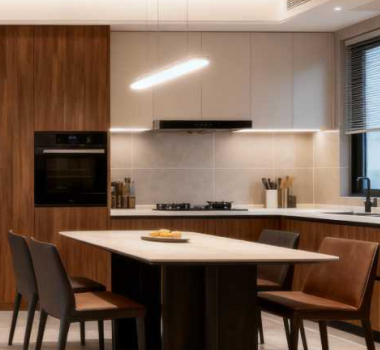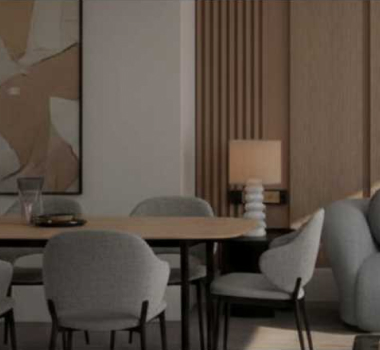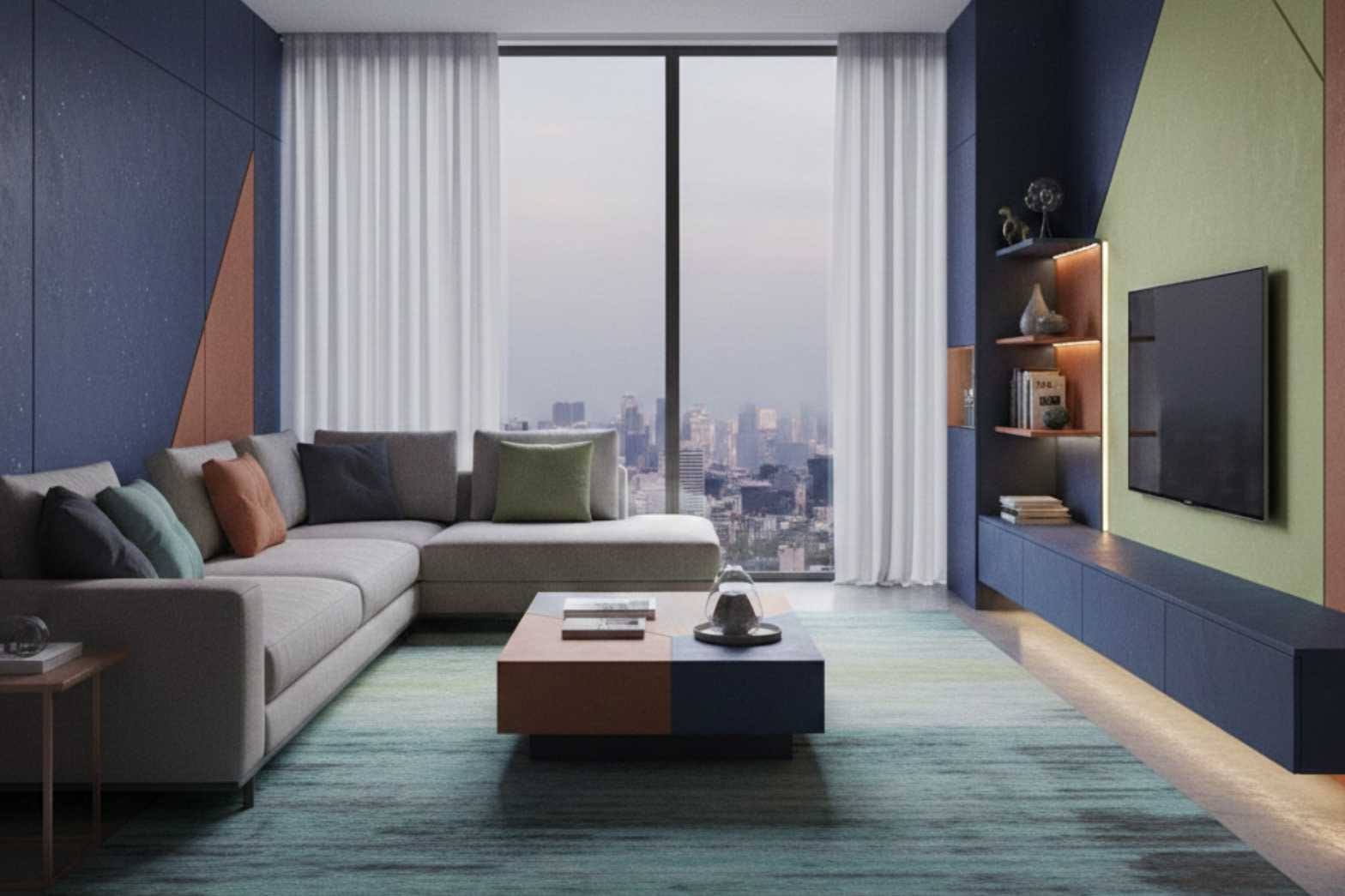
Interior and architectural design in 2026 is shaped by calm color palettes, tactile surfaces, and materials that balance visual appeal with long-term performance. As interiors move away from bold contrasts and short-lived trends, laminate brands are taking on a more architectural role in shaping cohesive spaces across homes, offices, hospitality, and commercial environments. Modern laminates are no longer limited to decorative use; they function as integral surfaces that influence both the mood and durability of an interior. In this evolving landscape, Ventura Architectural Laminates reflects the shift toward refined, design-led surfaces through collections inspired by Pantone-aligned skin tones, super matt finishes, and subtle textures.
Choosing the right laminate brand in 2026 directly impacts how well an interior ages, adapts, and maintains visual harmony over time.
The Evolution Of Laminate Design
The evolution of laminate design in 2026 mirrors broader interior trends centered on balance and restraint. Designers are prioritizing warmth over stark minimalism and subtle textures over high-gloss statements. Color palettes are becoming softer and more neutral, allowing spaces to feel calm and versatile rather than visually overwhelming.
This shift has increased demand for laminates that offer depth without distraction. Super matt finishes, soft-touch surfaces, and mineral-inspired textures are now preferred for their ability to absorb light gently and reduce visual noise. These finishes work well across residential and commercial interiors, where comfort and longevity matter as much as style.
Related Read : Glossy Laminates: Complete Guide to Benefits, Uses & Designs
Key Factors That Define The Best Laminate Brands
Laminate design is shaped by a shift toward calmer interiors, refined surfaces, and materials that deliver both visual comfort and long-term performance.
- Interior trends now emphasize balance and restraint, moving away from loud contrasts and short-lived visual statements.
- Designers are favoring warmth over stark minimalism, selecting softer textures instead of high-gloss finishes to create inviting spaces.
- Color palettes are becoming more neutral and muted, helping interiors feel versatile, cohesive, and timeless.
- Demand has grown for laminates that offer depth without distraction, making super matt finishes, soft-touch surfaces, and mineral-inspired textures increasingly relevant.
- These finishes absorb light gently and reduce visual noise, enhancing comfort across residential, hospitality, and commercial environments.
- Performance and tactile experience expectations have risen, particularly for laminates used on walls, furniture, and panels in high-use areas.
- Modern laminate collections are designed to resist scratches, maintain color stability, and perform reliably over time.
As a result, laminate brands in 2026 are prioritizing collections that balance refined aesthetics with architectural-grade functionality.
Recommended : Amber Wood Super Matt Laminate
Why Are Architectural Laminates Essential In Modern Interiors?
Architectural laminates have become essential in modern interiors as design shifts toward cohesive, performance-driven surfaces rather than purely decorative finishes.
- Architectural laminates function as integral components of a space, contributing to both structure and visual identity rather than acting as surface-level enhancements.
- They are widely used across wall panels, furniture, wardrobes, cabinetry, and partitions, helping maintain visual continuity throughout an interior.
- Their versatility in color, texture, and finish allows them to adapt to different spatial and functional requirements without compromising performance.
- As interiors become more layered and multifunctional, architectural laminates enable seamless transitions between zones while preserving a consistent design language.
- This balance of cohesion and durability makes architectural laminates particularly valuable in modern homes, hospitality settings, and commercial environments.
Architectural laminates have become a foundation of modern interior design, offering the balance of cohesion, adaptability, and performance that contemporary spaces demand.
Ventura Architectural Laminates And Contemporary Design Thinking
Within this evolving landscape, Ventura Architectural Laminates reflects the growing emphasis on architectural surfaces that integrate seamlessly into modern interiors. Its approach focuses on laminates as part of a broader design system rather than isolated decorative elements.
For 2026, the Pantone-inspired Skin Collection stands out for its use of soft skin tones, warm neutrals, and muted beige and taupe shades. These colors support calm, minimal interiors while offering enough depth to create visual interest through texture and finish rather than contrast.
The collection is designed to work across multiple applications, including walls, furniture, and panels, making it suitable for residential, hospitality, and commercial environments. This emphasis on cohesion aligns with contemporary interior needs, where consistency and adaptability are increasingly valued.
Further Reading : Laminate vs Wood Veneer: Key Differences
How to Choose the Right Laminate for Your Project?
Selecting the right laminate requires a balanced approach that considers design intent, performance needs, and long-term usability.
- Look Beyond Surface Appeal: A good laminate choice balances visual impact with functionality and relevance over time.
- Choose Timeless Colors and Finishes: Neutral tones, soft textures, and low-reflection finishes provide flexibility and remain visually consistent as trends change.
- Assess Durability and Performance: Laminates should withstand regular use, resist fading, and retain surface quality, especially in high-traffic areas.
- Ensure Design Consistency: Well-curated collections help maintain harmony across furniture, wall panels, and other interior applications.
- Factor in Application Versatility: Laminates that adapt easily across residential and commercial spaces support a unified design language.
By aligning aesthetics, durability, and versatility, laminates can enhance both the visual and functional value of a project over the long term.
Also Read : Laminate Manufacturing Explained: Process, Materials, And Applications
Conclusion
Interior design in 2026 is increasingly defined by intentional color selection, tactile finishes, and surface materials that deliver both visual appeal and dependable performance. Laminate brands have moved beyond a purely decorative role and now serve as essential architectural elements within modern interiors. The best laminate brands prioritize long-term relevance, offering collections that balance refined aesthetics with durability and application versatility. Architectural laminates, in particular, support cohesive design across walls, furniture, and panels, helping interiors remain consistent and adaptable over time.
Ventura Architectural Laminates reflects this evolution through a design-led philosophy and its Pantone-aligned Skin Collection, responding to contemporary expectations for calm, unified, and enduring interior surfaces.
Frequently Asked Questions
1 . Which laminate brand is considered the best in India?
India has several trusted laminate brands, but names like Ventura Laminates, Greenlam Industries, CenturyPly, Merino Laminates, Royal Touche, and Formica India are considered among the best for their quality, durability, and wide design range.
2. Which is the best laminate brand in India for 2026?
The best laminate brand in India for 2026 is one that aligns with global color trends, offers architectural-grade durability, and provides consistent finishes suitable for residential, commercial, and premium interior applications.
3. What laminate colours will trend in 2026?
Laminate colours trending in 2026 include Pantone-inspired skin tones, warm neutrals, muted beige and taupe shades, soft greys, and mineral-inspired hues, typically paired with super matt or soft-touch finishes.
4. What makes architectural laminates different from regular laminates?
Architectural laminates are designed for walls, furniture, and panels, emphasizing durability, texture, and visual continuity, while regular laminates are more decorative and limited in application and performance scope.
5. Are acrylic laminates better than regular laminates?
Acrylic laminates offer a high-gloss, premium finish with better moisture resistance and scratch durability, making them ideal for modern kitchens and wardrobes, while regular laminates are more affordable, versatile, and suitable for everyday interior applications.
Manish Maheshwari
Position: Founder – Ventura International Pvt Ltd.
Education: IIT Roorkee (B.E. – Mechanical Engineering) and IIM Lucknow (Marketing & Finance)
Manish Maheshwari, the visionary Co-founder of Ventura International. With a background in Engineering from IIT Roorkee and an MBA from IIM Lucknow, his expertise spans across Finance, Economics, and Strategy. At the helm of Ventura’s vision, Manish leads the charge in planning and executing strategies for growth and innovation. His unwavering passion ensures that Ventura sets the bar high, always striving for unparalleled excellence.