12 Factors to Consider When Choosing Exterior Wall Cladding
The exterior of a building does more than create a first impression. It acts as the first line of defense against weather, temperature changes, moisture, and everyday wear. As architectural
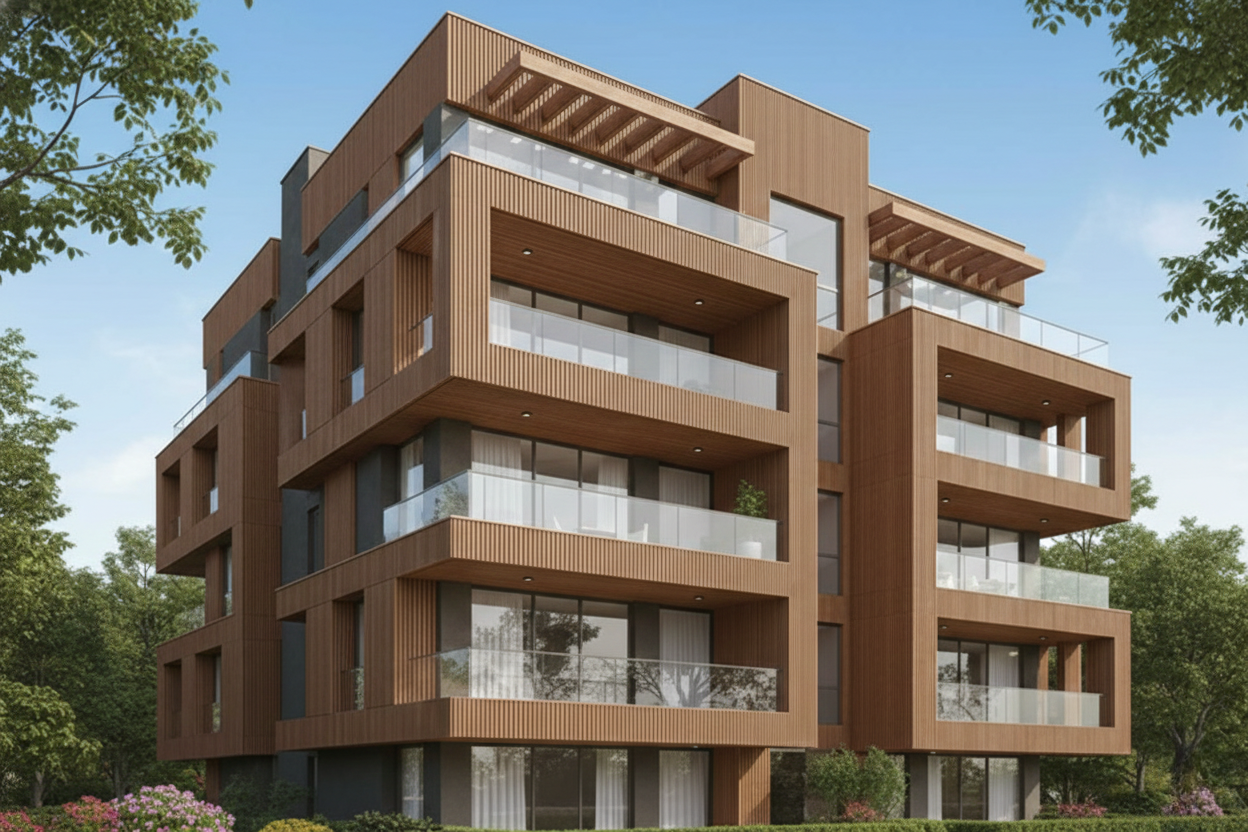
Choosing the right exterior wall cladding is more than a design decision because it affects protection, insulation, and the long-term durability of your property. Cladding acts as a barrier against rain, wind, sunlight, and temperature changes while enhancing the building’s appearance. Homeowners and architects today can choose from traditional materials such as brick and stone, modern options like WPC (Wood Plastic Composite), and a variety of cladding sheets, including PVC, metal, and fiber cement.
Knowing the benefits and limitations of each material, including performance, maintenance, and aesthetics, helps make better decisions that combine style with functionality. Ventura provides a wide range of cladding solutions to meet these needs effectively.
Exterior wall cladding is the outer layer applied to building walls, primarily serving as protection against environmental elements. Unlike structural walls, which bear loads, cladding functions as a barrier against water, UV radiation, wind, and temperature changes. Beyond protection, cladding enhances a building’s aesthetic appeal, offering textures, colors, and finishes that define its style.
From exterior wall cladding materials like brick and stone to synthetic options such as WPC and PVC sheets, there is a wide spectrum of materials to choose from. Effective cladding improves energy efficiency, extends wall lifespan, and reduces maintenance requirements.
Related Read : Ultimate Guide to Exterior Cladding
Choosing the right cladding can transform the look, durability, and performance of your building’s exterior. With a variety of materials available, each offers unique benefits in terms of aesthetics, maintenance, and weather resistance. Here are ten popular types of cladding commonly used for exterior walls.
Brick cladding gives buildings a timeless, classic appearance while offering excellent durability and insulation. It can withstand harsh weather conditions and suits traditional homes, though its weight requires proper structural support during installation.
Stone cladding provides a premium, natural look and is known for its long lifespan and low maintenance. Materials like granite or slate make it ideal for high-end residential and institutional buildings, offering unmatched elegance and strength.
Metal panels, including aluminum, steel, zinc, and corrugated sheets, create a sleek, modern façade. They are highly durable, low-maintenance, and suitable for commercial or contemporary residential projects, although heat retention can be a consideration depending on the metal used.
Lightweight and moisture-resistant, vinyl or PVC cladding is easy to install and budget-friendly. Its practical properties make it a preferred choice for humid climates or fast-track construction projects, though it may not offer the premium look of natural materials.
Wooden cladding adds warmth and a natural aesthetic to any building. It also provides good insulation, but regular upkeep, such as sealing or painting, is necessary to protect against moisture and pests.
Fiber cement boards are weather-resistant, termite-proof, and available in a range of finishes, including wood-like textures. They are durable and low-maintenance, but careful installation is required due to their brittle nature.
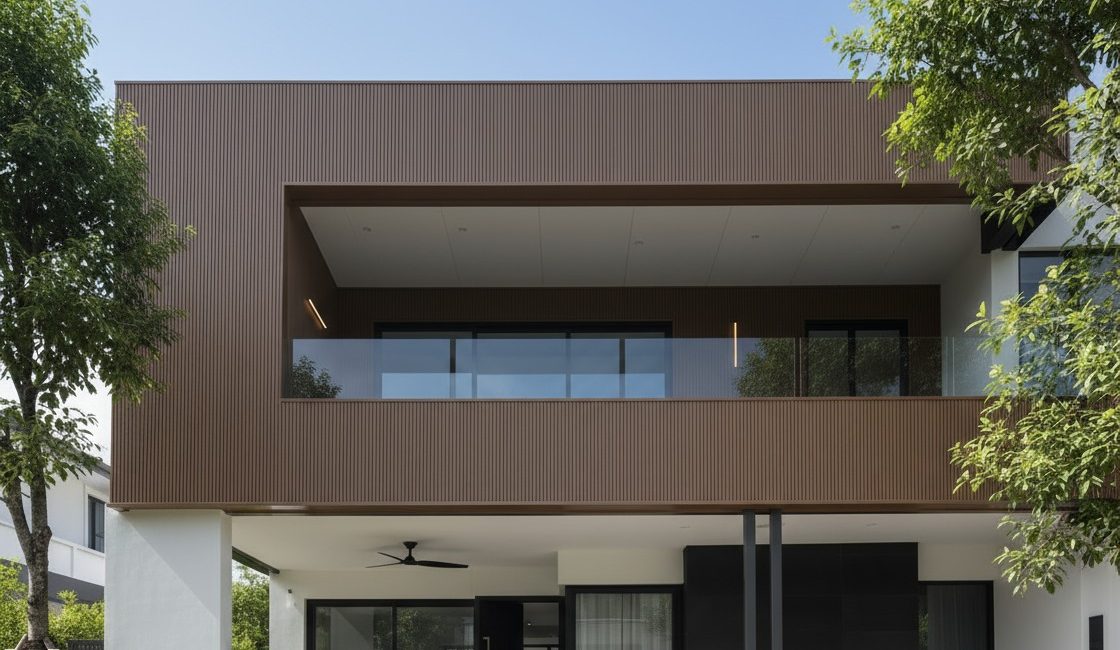
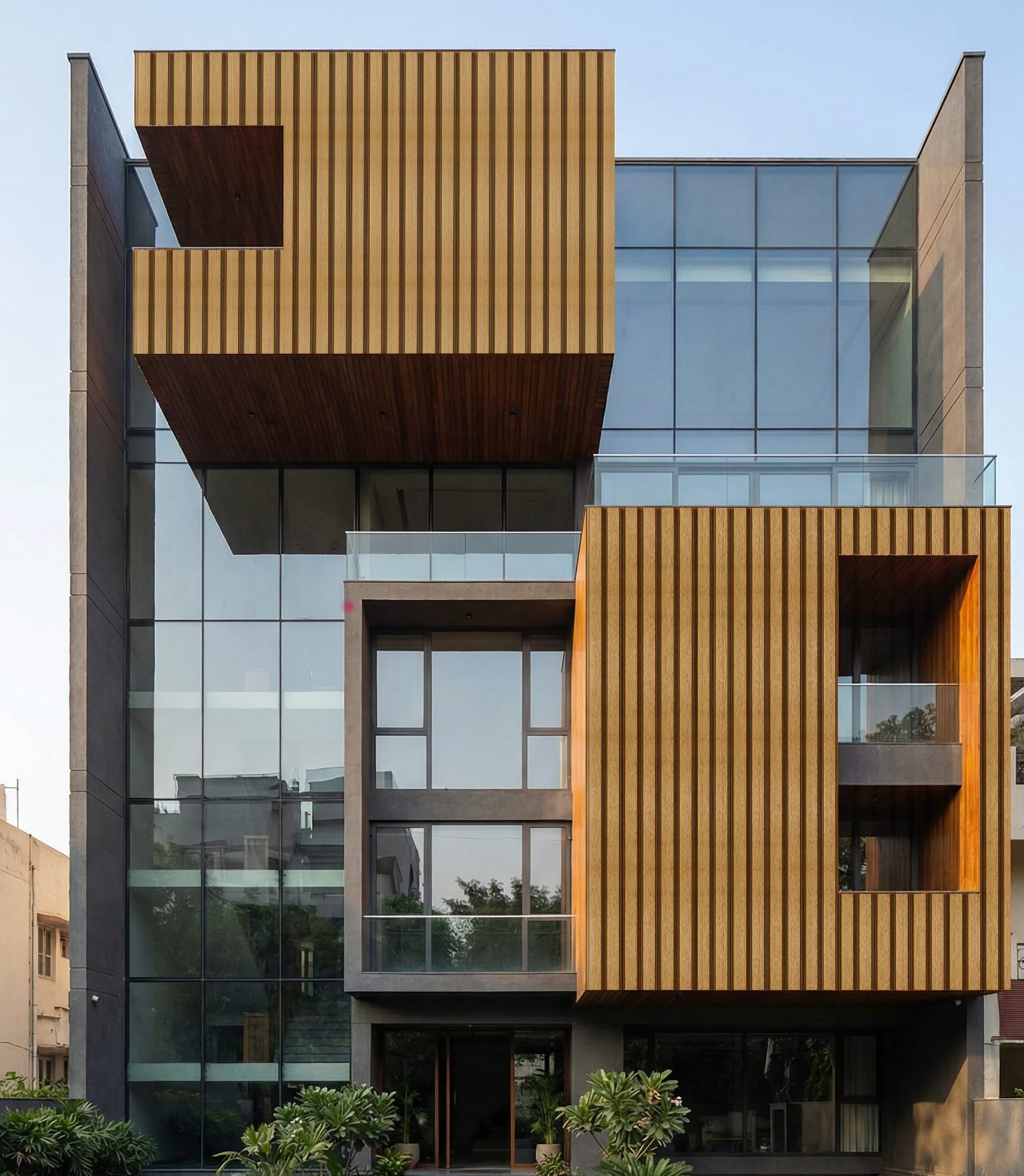
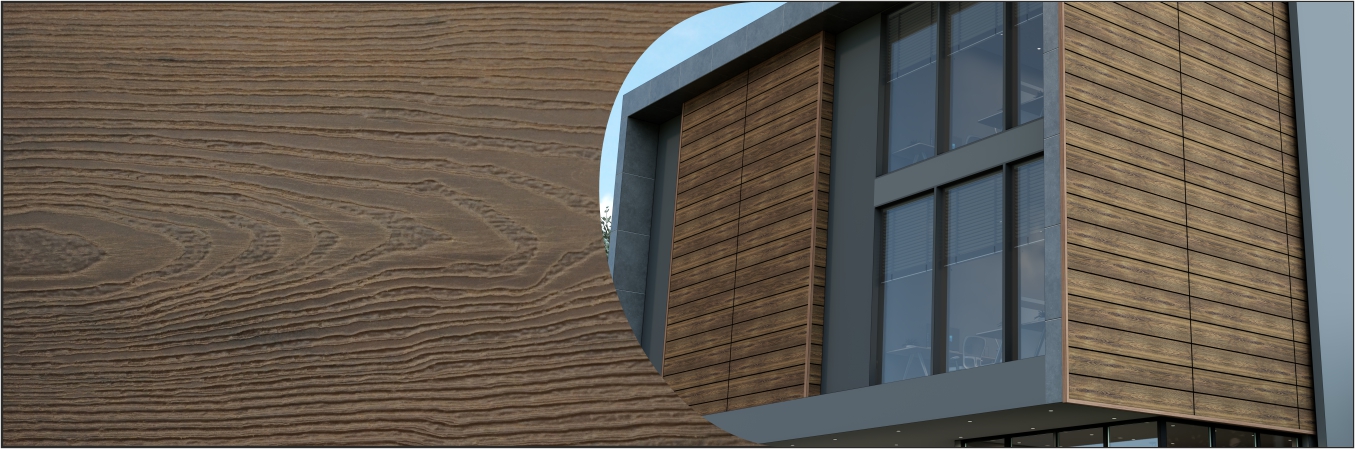
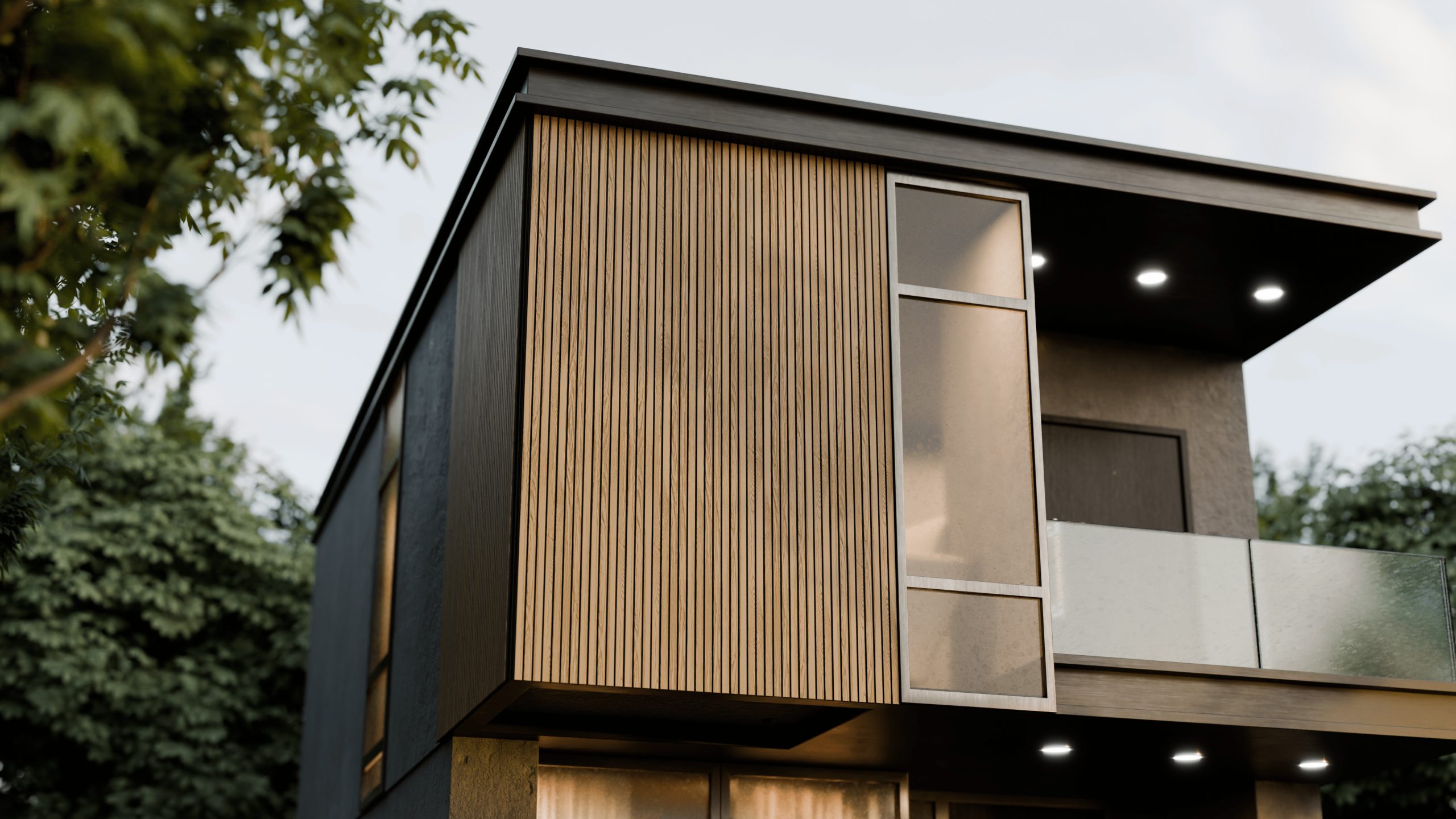
WPC cladding combines the beauty of wood with the durability of plastic. Ventura’s products, like Legnoklad Plus, Legnoklad DUO, and Techklad, offer versatile solutions for façades, pergolas, and decorative panels, providing long-lasting performance and design flexibility.
Aluminium Composite Panels offer a lightweight, modern, and uniform appearance. ACP is ideal for commercial buildings and high-rises, delivering clean aesthetics and customization options, though installation requires technical expertise.
Glass Fiber Reinforced Concrete (GFRC) is extremely strong, fire-resistant, and long-lasting. It suits urban façades and contemporary commercial projects, providing both structural reliability and design versatility.
Glass façades bring modern aesthetics and abundant natural light. They are commonly used for office towers and modern homes, with tinted or frosted panels helping balance privacy, insulation, and visual appeal.
The Following Types of Cladding Materials Can Be Grouped As:
Each material offers unique benefits, from durability and style to cost-effectiveness and low maintenance.
Metal cladding offers a durable, versatile, and modern solution for building exteriors:
These options provide minimal maintenance without compromising on style, making them a preferred choice for residential and commercial structures. Ventura’s range ensures quality and reliability across all metal cladding types.
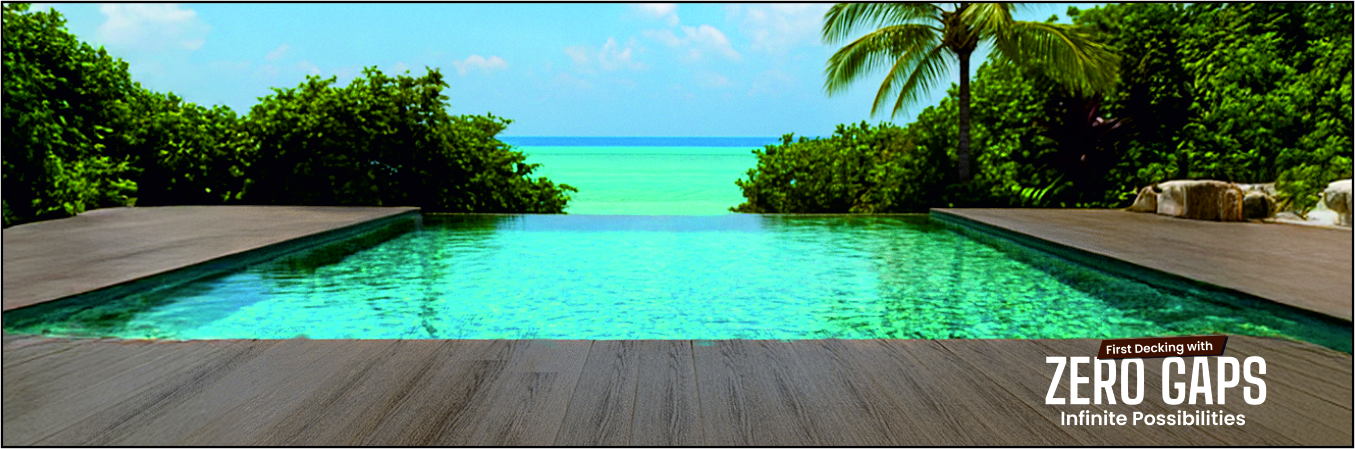
WPC exterior wall cladding & decking offer a balanced combination of durability, visual consistency, and low maintenance. Made using wood plastic composite, these panels resist moisture, termites, and weather-related wear, making them suitable for long-term exterior use. Ventura extends these benefits through Ventura’s Legnodeck WPC Decking & Legnoklad plus developed with advanced composite engineering for reliable performance. The system features Legnodeck India’s first Zero-Gap plank design, creating a seamless finish after installation. With Ventura solutions, WPC cladding supports consistent aesthetics and dependable protection for both residential and commercial façades & Flooring.
Further Reading : WPC Decking or PVC Decking: Which is the Better Choice for Your Home?
This table helps visualize how different types of cladding compare in terms of durability, upkeep, and investment.
| Types of Cladding | Durability | Maintenance |
Cost |
| Brick | High | Low |
High |
|
Stone |
Very High | Low |
Very High |
|
Metal |
High | Low |
High |
|
PVC/Vinyl |
Medium | Very Low |
Low |
|
Timber |
Medium | High |
Medium |
|
WPC |
High | Very Low |
Medium |
Selecting the right cladding is crucial for both performance and aesthetics.
Here’s Why:
Ventura’s WPC and metal cladding solutions provide reliable, attractive options for residential and commercial projects, ensuring lasting performance.
Also Read : WPC Decking: Complete Guide to Benefits, Uses, and Maintenance Guide
Selecting the right cladding impacts a building’s longevity, energy efficiency, and aesthetic appeal. Modern materials like WPC and metal cladding deliver both durability and style, providing hassle-free solutions for residential and commercial façades. Ventura offers a versatile range of products that maintain performance and visual appeal over decades. By considering climate, design, and budget, you can ensure your exterior walls remain functional, striking, and low-maintenance for years to come.
The most common types of cladding include wood, stone and WPC. Each offers unique benefits, from aesthetic appeal and durability to low maintenance, allowing homeowners to choose based on design preferences and performance requirements.
Yes, WPC cladding is ideal for exterior walls. Its combination of wood fibers and plastic provides durability, water resistance, and low maintenance, making it resistant to rot, insects, and weathering while delivering a natural wood-like appearance.
Fiber cement and high-quality WPC cladding typically offer the longest lifespan. Both resist moisture, decay, and pests while maintaining structural integrity, making them excellent long-term solutions for exterior walls in various weather conditions.
Wood cladding offers natural beauty but requires regular maintenance and is prone to decay and insect damage. WPC cladding combines wood fibers with plastic, providing similar aesthetics with higher durability, low maintenance, and improved resistance to moisture and pests.

The exterior of a building does more than create a first impression. It acts as the first line of defense against weather, temperature changes, moisture, and everyday wear. As architectural
Step onto a well-designed balcony or rooftop terrace, and it instantly feels like an extension of the living space rather than just an outdoor area. As more homeowners and designers
Exterior wall cladding is an external layer applied to buildings that protects walls from weather, enhances aesthetics, and improves indoor comfort. It acts as a barrier against heat, cold, and
When you’re building or renovating a home, the exterior deserves just as much thought as the interior. It’s the first thing anyone notices, and it plays a big part in
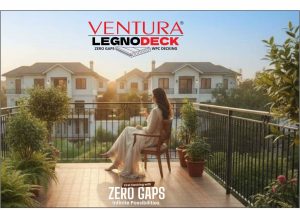
Outdoor spaces deserve as much attention as interiors, yet traditional wood decking often struggles to stand the test of time. Constant exposure to moisture, sunlight, and temperature changes can cause
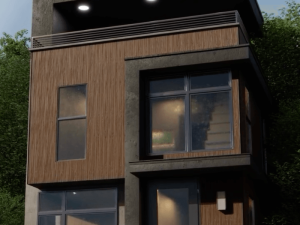
Cladding made from timber reflects a classic and artistic design choice for building facades. It is a construction material that beautifully combines natural appeal, warmth, and strength while providing insulation
With regards to aesthetics and keeping the building structure in its best & pristine condition, Exterior Cladding is considered to be one of the most crucial components. Whether it is