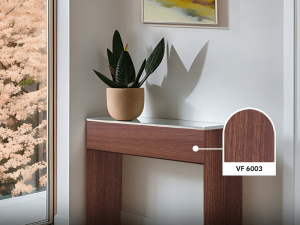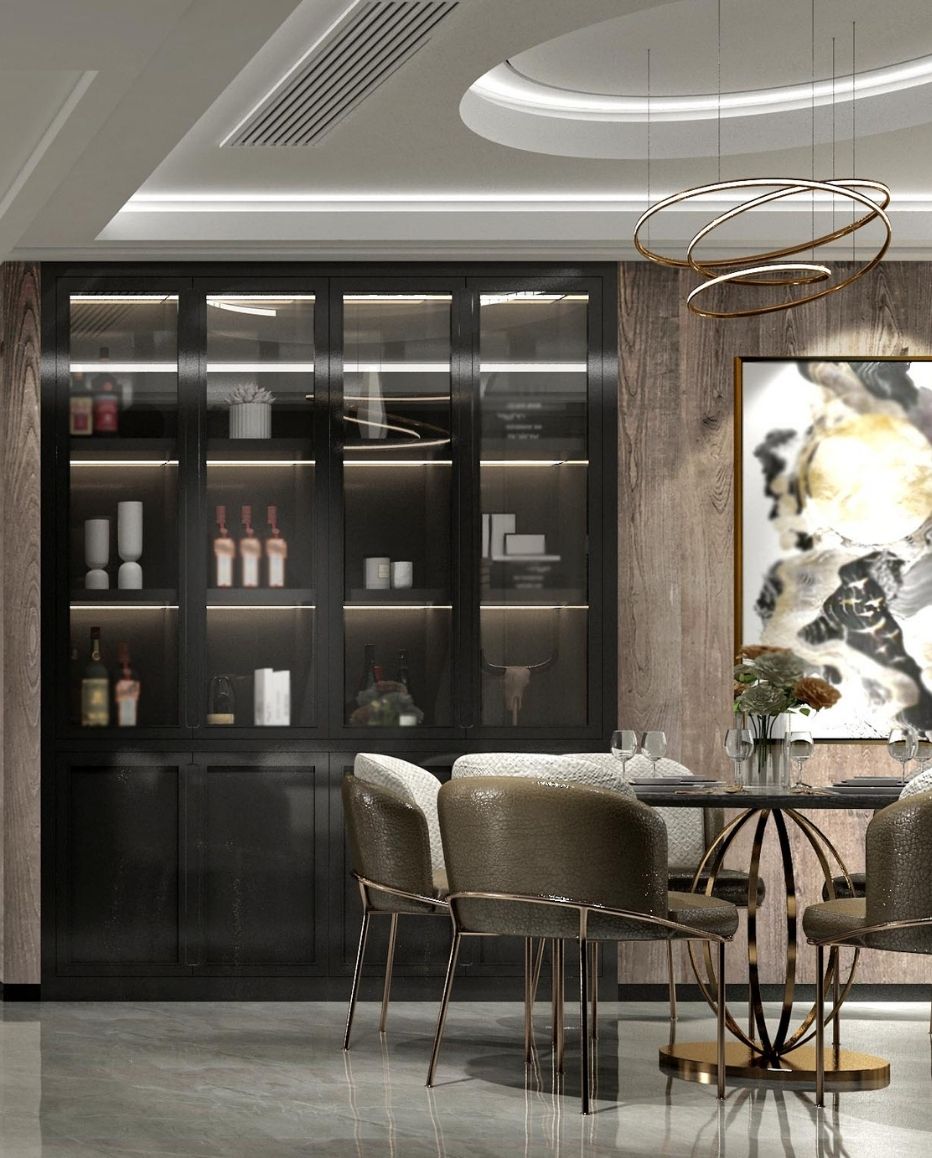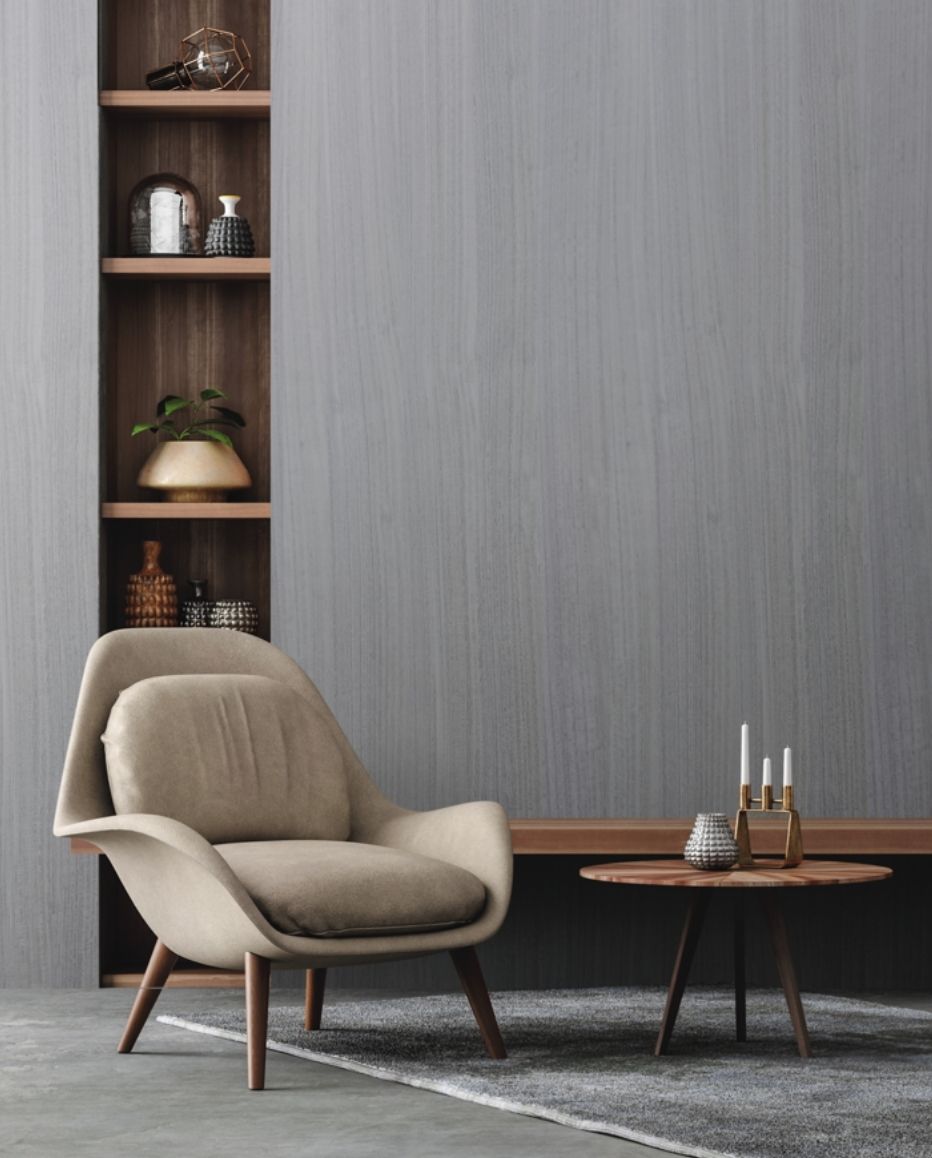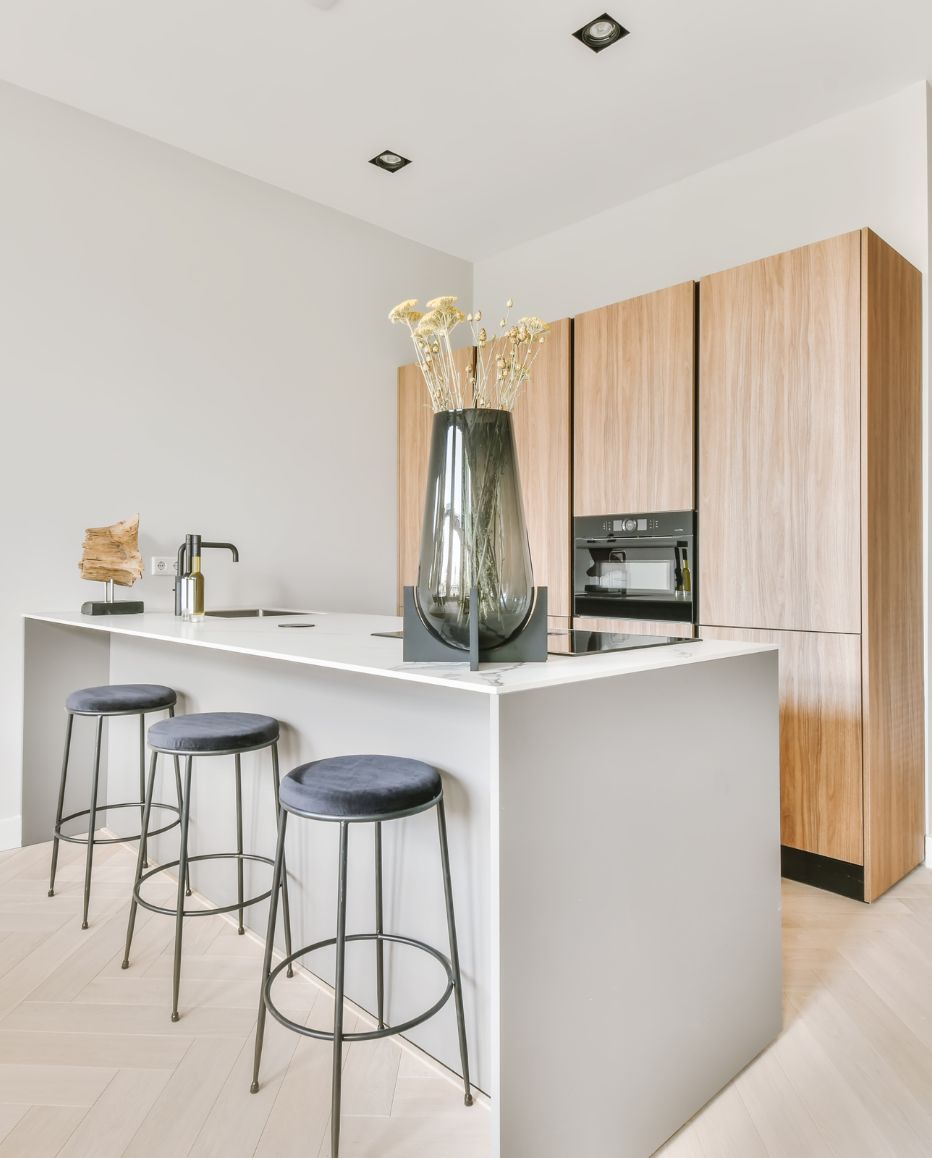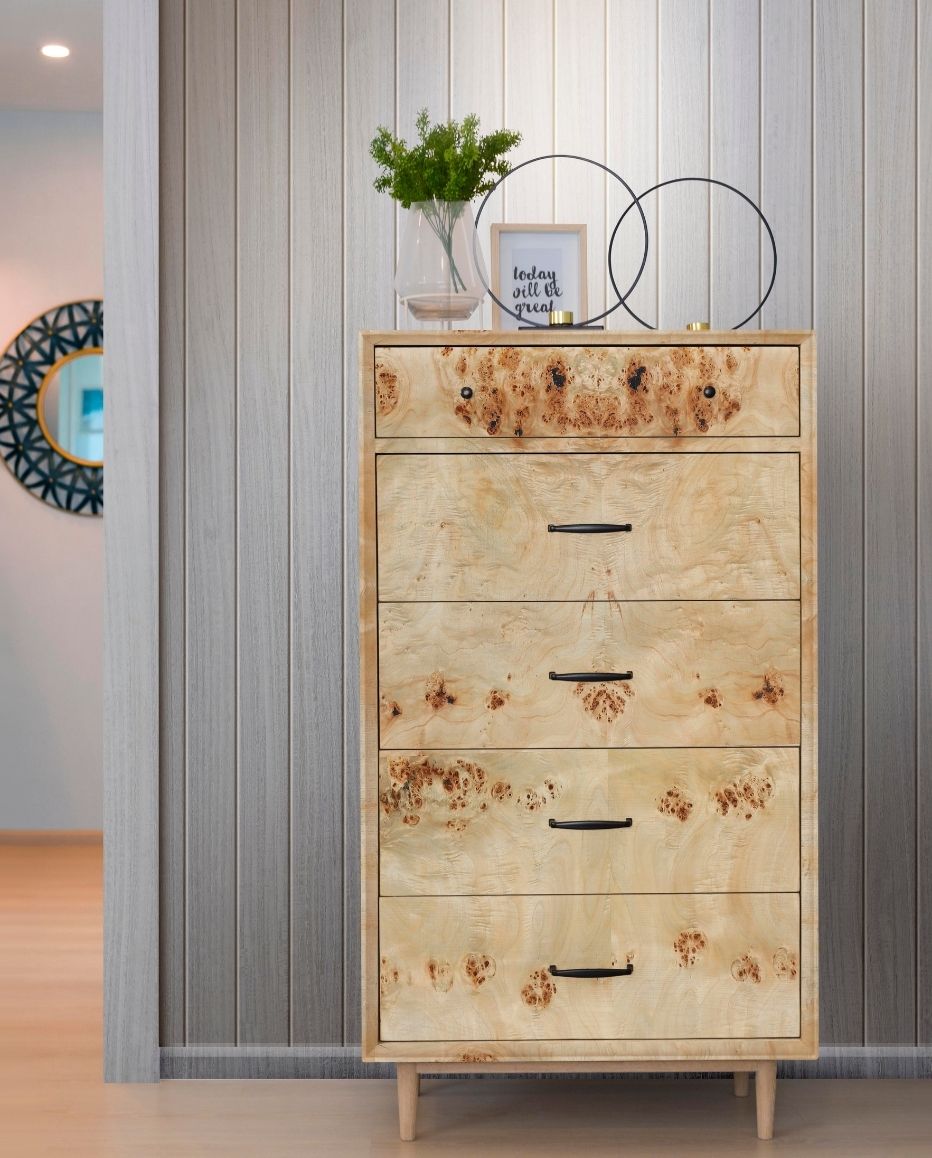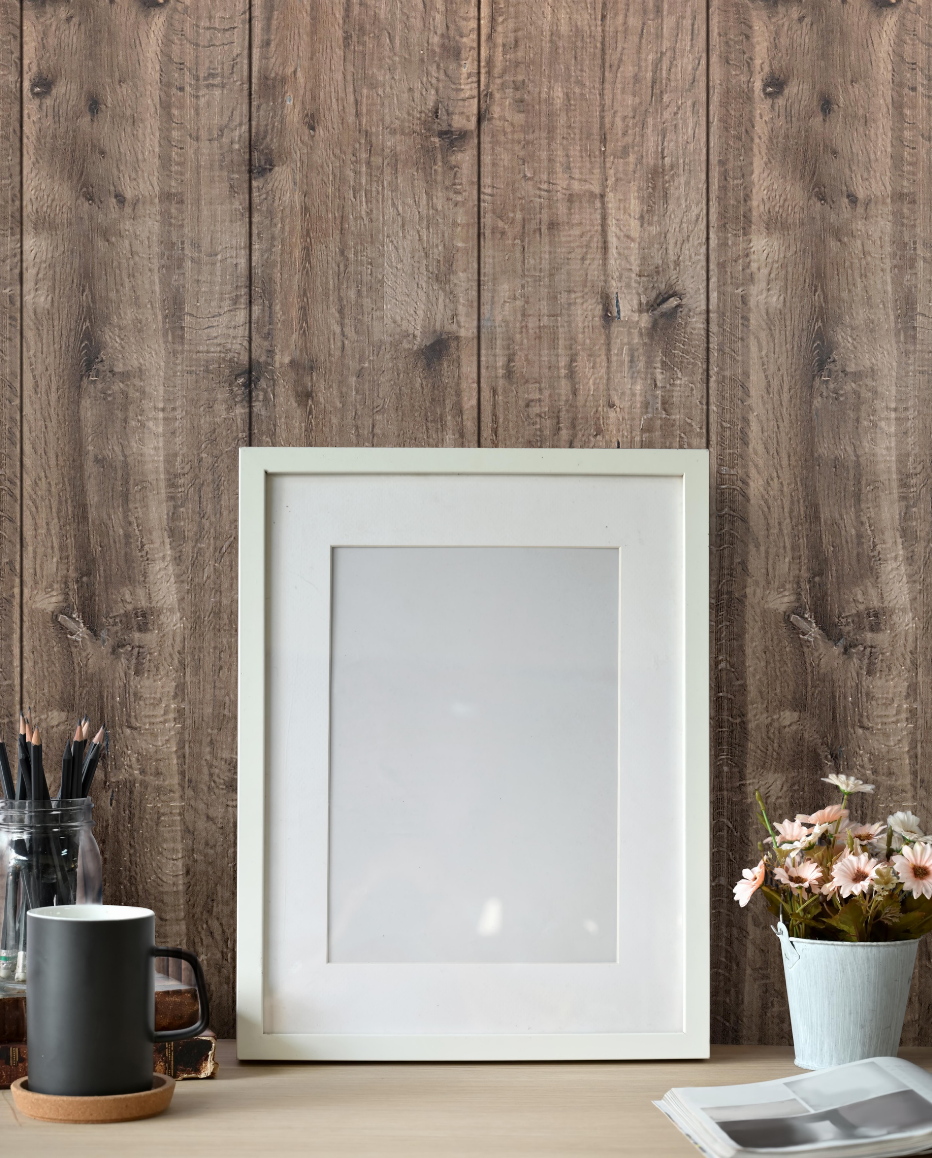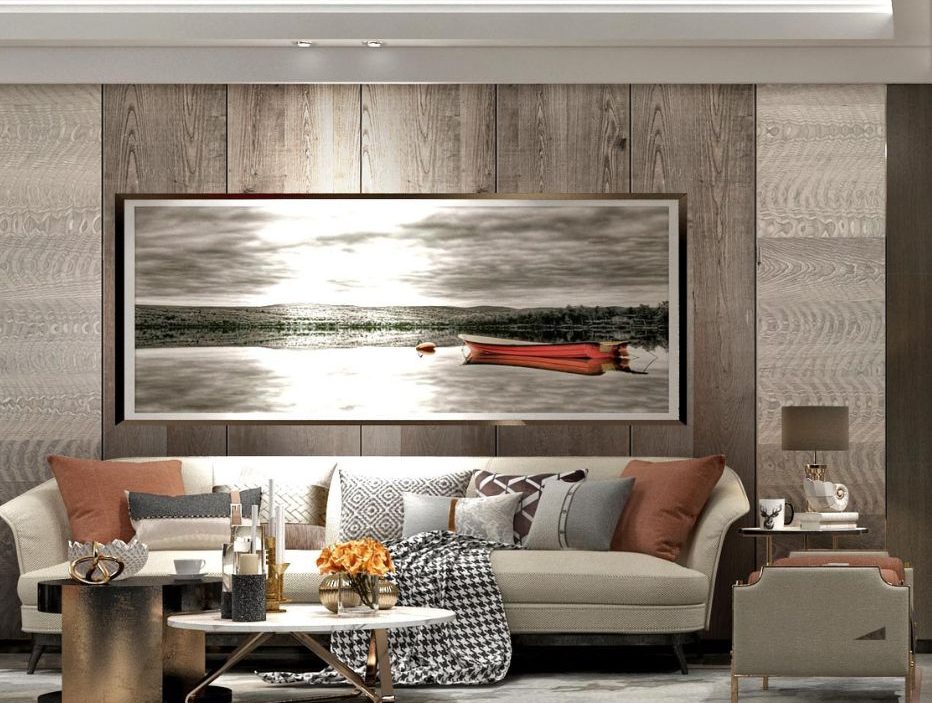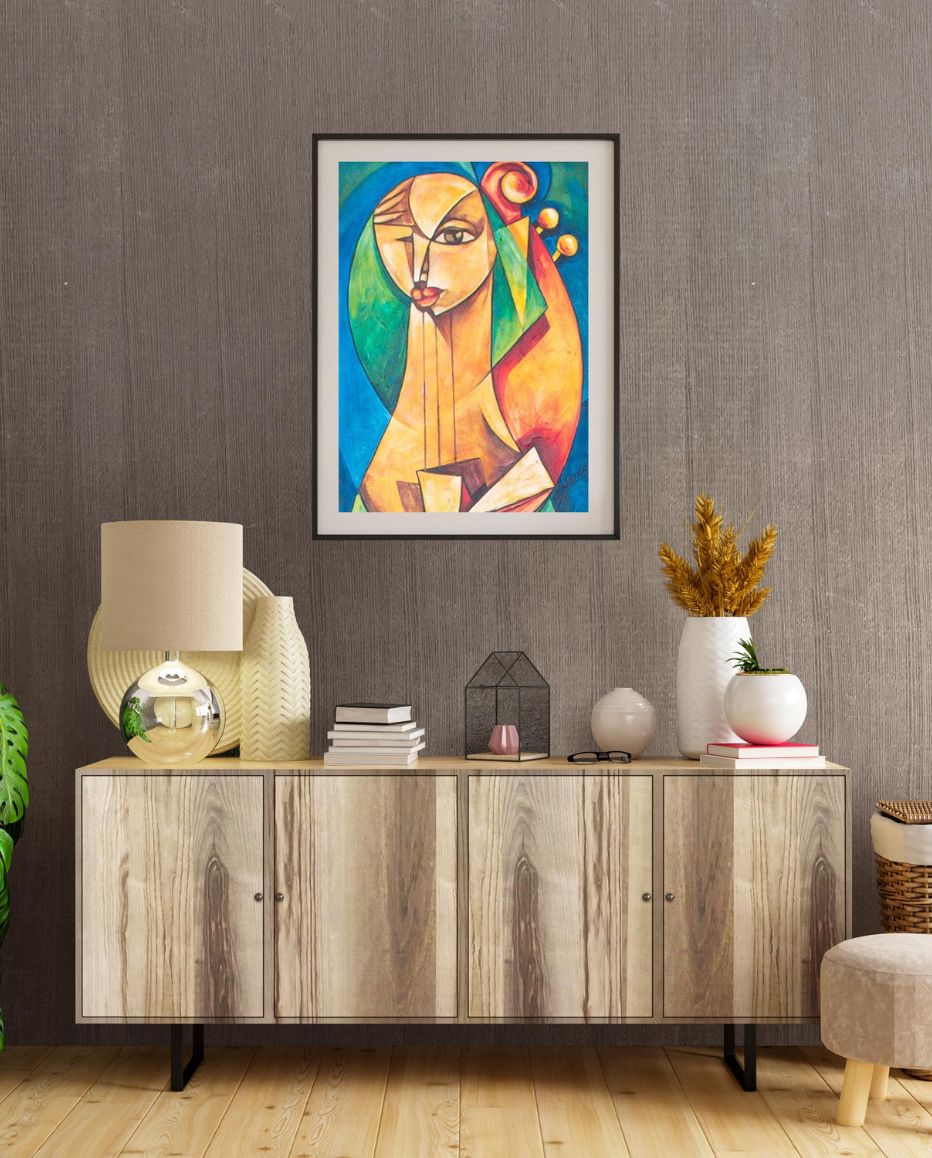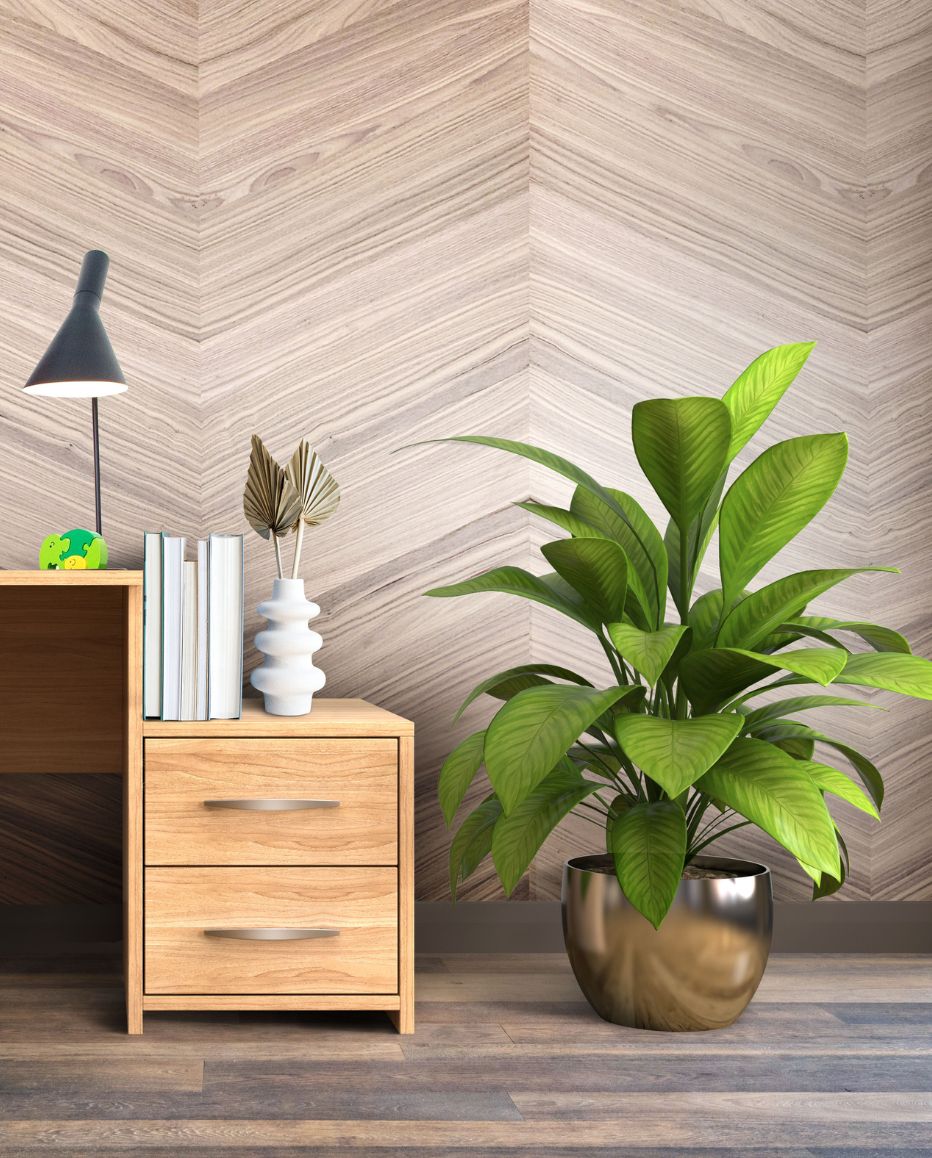
The growing preference for natural textures in modern interiors has made wood surfaces more desirable than ever. Homeowners and designers seek materials that offer warmth, authenticity, and refined character without the structural demands of solid timber. Veneers have emerged as a practical solution that balances beauty with efficiency.
The term “veneer” refers to two distinct products: dental veneers, used for cosmetic enhancement of teeth, and wood veneers, which are thin slices of real wood used in furniture and interior design. Here, the focus is on wood veneers.
Veneer sheets are valued for their durability, versatility, and aesthetic appeal. Applied to furniture, cabinets, doors, and wall panels, they enhance visual appeal while maintaining strength. Available in a wide range of colors, grains, and patterns, they suit various styles. Understanding veneer types helps in making informed design choices across modern interior applications.
What Are Veneers?
A veneer is a thin slice of real wood that is bonded to a core surface such as plywood, MDF, or particle board. The resulting veneer board delivers the appearance of solid wood while using less timber. This makes veneers a resource-efficient surface solution widely used in interior applications.
Unlike laminates, which are synthetic decorative layers, veneers are made from actual wood. This means each sheet carries natural grain patterns and tonal variations. Natural veneers are sliced directly from timber logs, while engineered veneers are reconstituted to achieve consistent grain and color. Both options offer flexibility in design depending on aesthetic and functional needs.
Types of Veneer
When exploring wood veneer types, it is helpful to understand how each category differs in appearance and application.
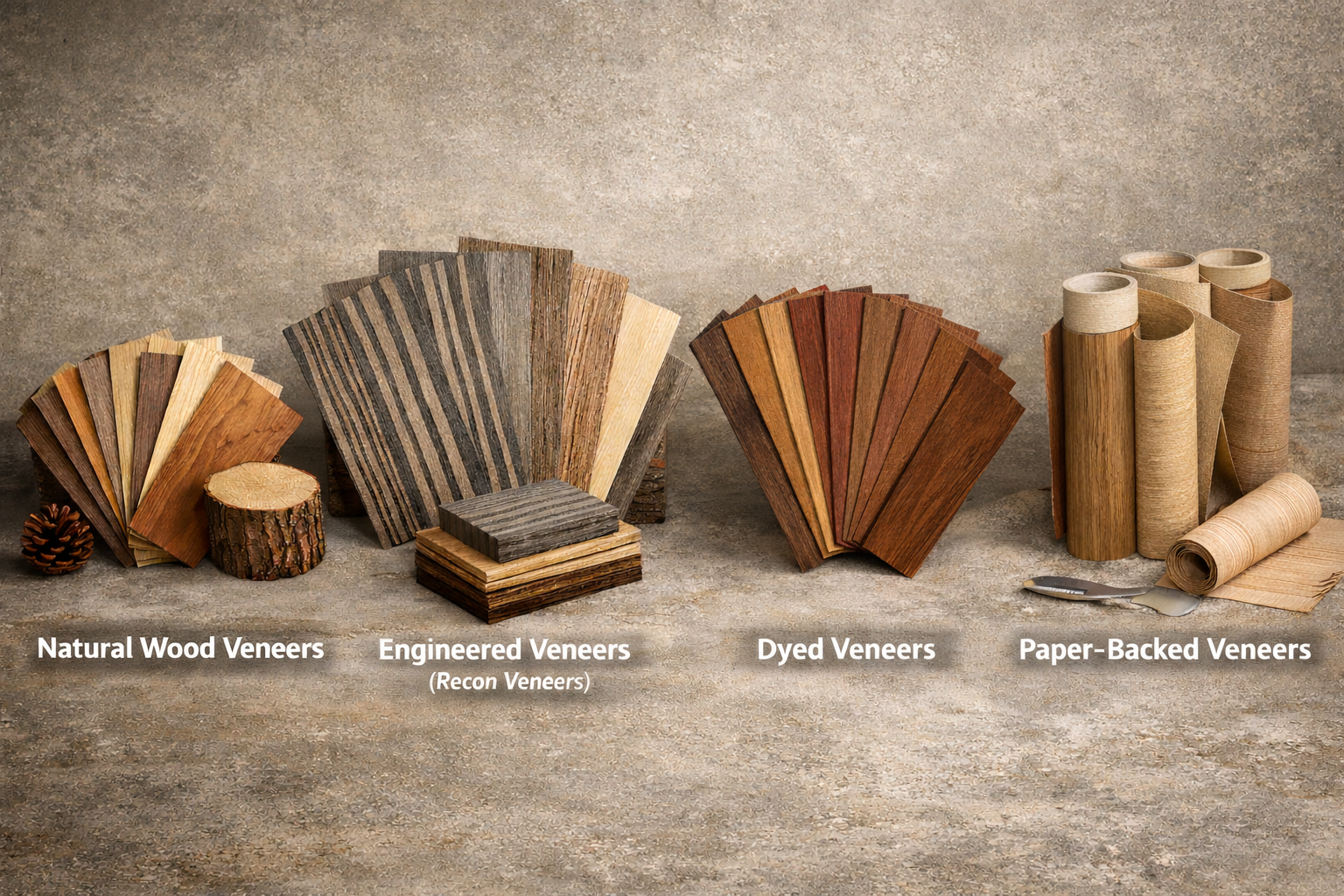
1. Natural Wood Veneers
Natural veneers are derived directly from real timber logs. Each sheet showcases unique grain movement, knots, and tonal variations. Because no two slices are identical, they are often chosen for projects that celebrate organic character and individuality.
2. Engineered Veneers ( Recon Veneers )
Engineered veneers are manufactured from reconstituted wood fibers. They are designed to provide uniform grain patterns and consistent shades. This makes them ideal for large-scale projects where visual consistency is important.
3. Dyed Veneers
Dyed veneers are sheets of natural wood, commonly maple or poplar , infused with color through pressure dyeing. This process ensures uniform color throughout the veneer, offering consistent tones and vibrant decorative finishes.
4. Paper-Backed Veneers
Paper-backed veneers are reinforced with a paper layer for added flexibility. They are suitable for curved surfaces, columns, and furniture edges where rigid sheets may not perform well.
Wood Veneer Cut Types Explained
The way a veneer is sliced from a log significantly influences its grain appearance. These cut types impact both aesthetics and cost.
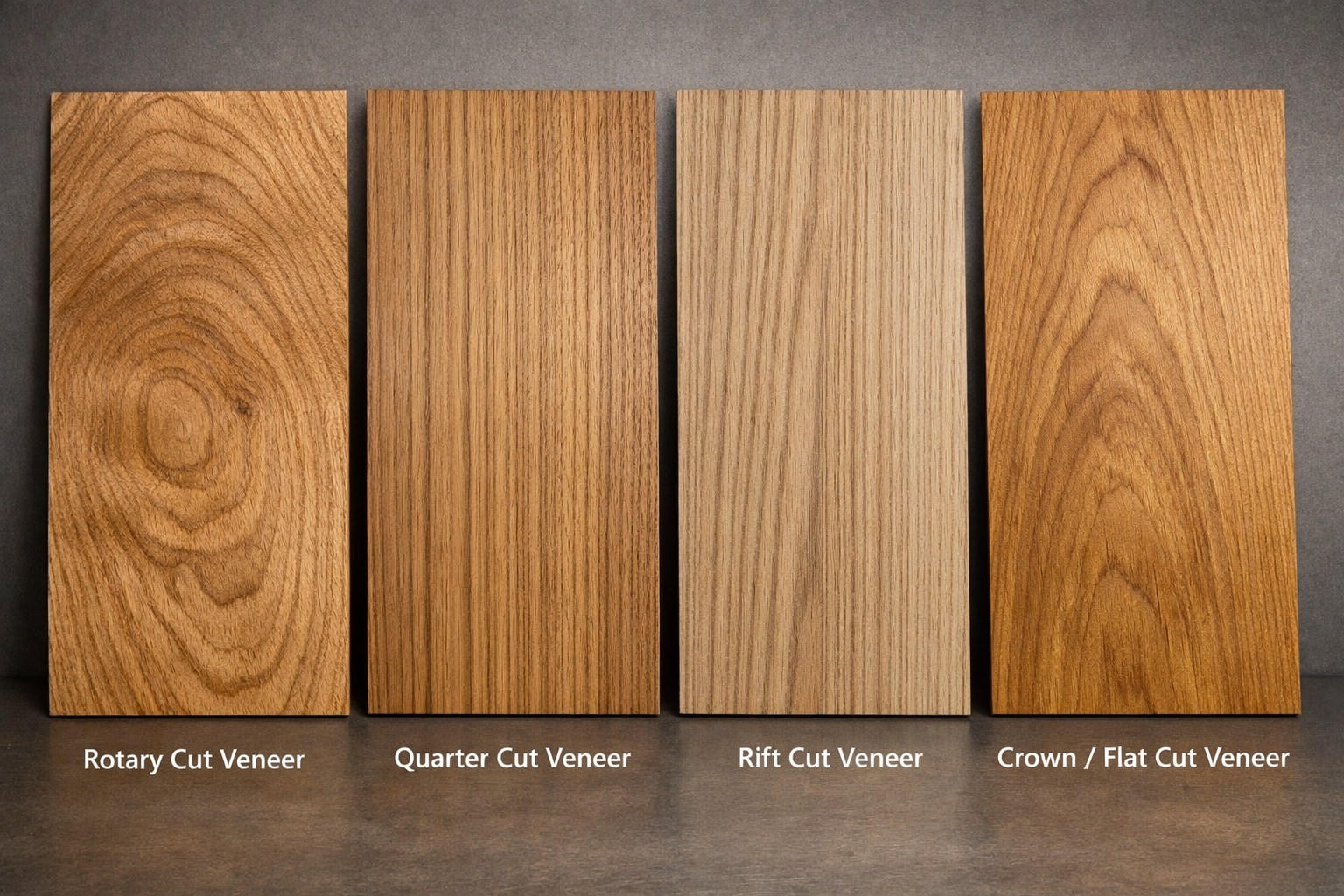
1. Rotary Cut Veneer
Rotary cut veneers are produced by peeling the log in a continuous motion. This method creates broad, bold grain patterns and maximizes material yield, making it economical for larger surfaces.
2. Quarter Cut Veneer
Quarter-cut veneers are sliced at right angles to the growth rings. This produces straight, linear grain patterns with subtle variation. They are commonly used in furniture and cabinetry where a clean look is preferred.
3. Rift Cut Veneer
Rift cut veneers are sliced at a slight angle to create consistent, linear grain without the flake patterns sometimes seen in quarter cuts. This technique offers a refined and modern appearance suited to contemporary interiors.
4. Crown or Flat Cut Veneer
Crown or flat cut veneers are sliced parallel to the log’s center. This produces cathedral-shaped grain patterns that feel traditional and decorative. They are often selected for classic furniture and paneling designs.
Veneer Sheet Design Possibilities
Veneer sheet design goes beyond selecting a wood species. Matching techniques influence the final visual effect.
Bookmatching places consecutive veneer sheets side by side like an open book, creating mirrored grain patterns. Slip matching aligns sheets in sequence without flipping them, resulting in a consistent flow. Designers also use geometric veneer patterns to create decorative wall panels and feature installations.
These design techniques allow veneers to move from subtle background finishes to statement surfaces in living rooms, offices, and hospitality spaces.
Veneer Interior Design Applications
Veneers are widely used in interior design because they combine natural aesthetics with practical performance.
In furniture and cabinetry, veneer boards deliver the look of solid wood without excessive weight. Doors and panels benefit from their dimensional stability. Wall cladding with veneer sheets adds warmth and texture to living spaces. In commercial interiors, veneers are often used on reception desks, in conference rooms, and on feature walls to create a refined atmosphere.
Ventura India offers veneer solutions that align with modern design requirements, balancing craftsmanship with functional application across residential and commercial projects.
Veneer Bedroom Designs and Ideas
Veneer finishes can transform bedrooms by adding warmth, texture, and a touch of elegance. They provide a sophisticated alternative to plain surfaces while enhancing the overall aesthetic.
- Wardrobe shutters with natural veneer finishes add understated elegance.
- Veneer headboard panels create cohesive focal points without overpowering the room.
- Accent walls in coordinated wood tones bring depth to minimalist interiors.
- Complementary veneer boards for bedside tables and dressers create balanced, inviting bedroom spaces.
Incorporating veneers thoughtfully ensures bedrooms feel harmonious and stylish, making them a practical choice for modern interiors. Ventura offers a wide range of veneer solutions to achieve this effect.
Latest Veneer Designs and Trends
Veneer design trends continue to evolve, focusing on minimalism, subtle detailing, and innovative finishes. Keeping up with these trends can help create contemporary and timeless interiors.
- Straight-grain veneers with matte finishes are popular in modern homes.
- Mixed-species veneer boards combine tonal contrasts for visual interest.
- Textured finishes highlight the depth and natural beauty of wood grain.
- Contemporary veneer sheets integrate seamlessly with modern materials like glass and metal.
Staying aware of these trends allows designers to create interiors that feel fresh and sophisticated. Ventura’s collections reflect these evolving trends while maintaining quality and authenticity.
Benefits of Using Veneer Boards
Veneer boards offer both aesthetic and practical advantages, making them a versatile material for furniture, doors, and wall applications.
- Provide the natural look of wood while using less solid timber.
- Generally, it is more cost-efficient and dimensionally stable than solid wood.
- Allow consistent finishes across large surfaces and creative grain matching.
- Adaptable for use in furniture, doors, and wall designs, making them highly versatile.
Choosing veneer boards combines elegance, efficiency, and sustainability in interior design. Ventura provides high-quality veneer boards that support modern design needs.
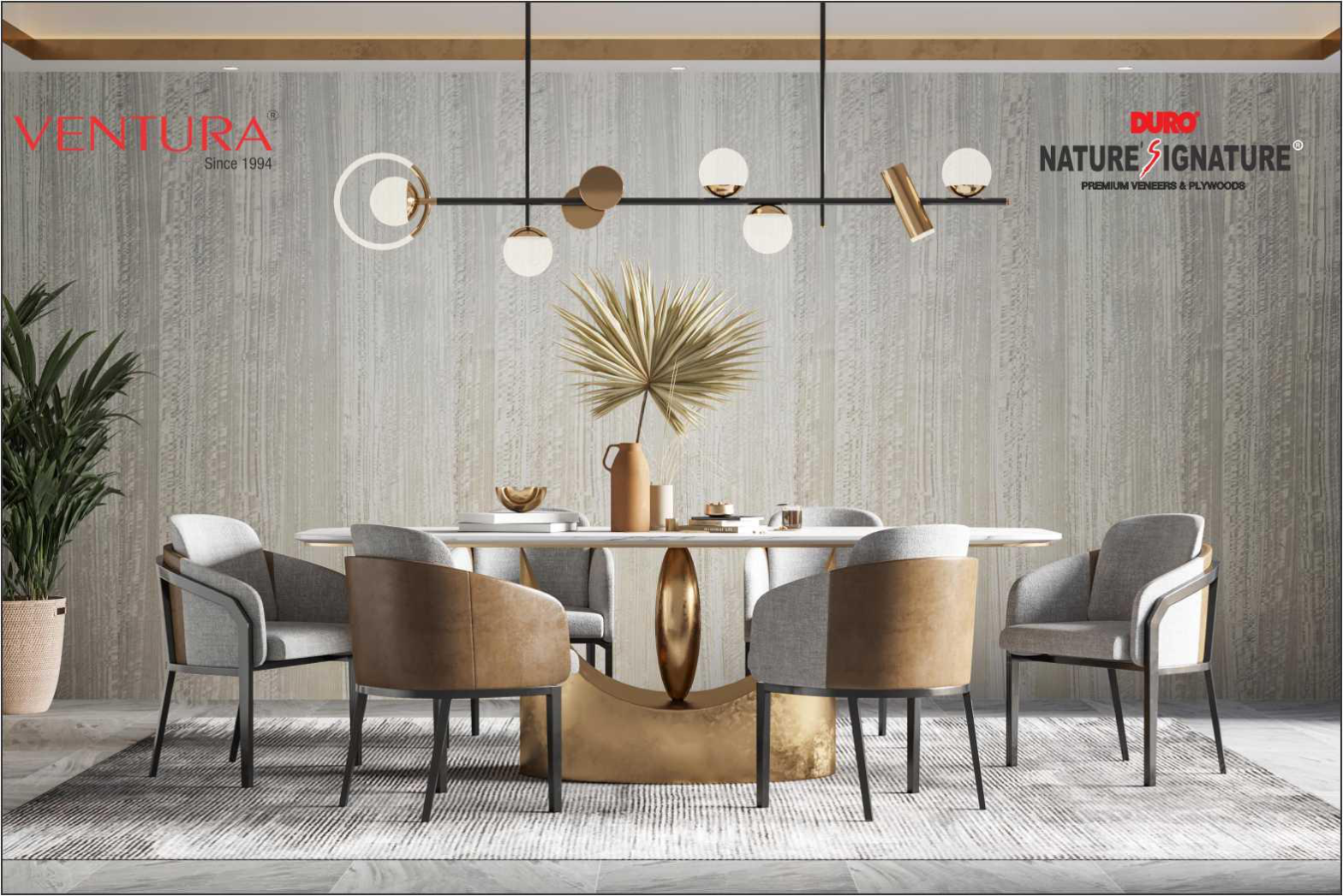
Signature Aesthetics with Duro Nature Signature
Premium veneer collections such as Duro Nature Signature demonstrate how craftsmanship and material quality come together in contemporary interiors. Offered by Ventura, this collection reflects refined wood aesthetics suitable for sophisticated residential and commercial applications. Such selections highlight how thoughtfully curated veneers can elevate everyday spaces through texture, tone, and finish.
Conclusion
Veneers offer a balanced combination of natural beauty, design flexibility, and material efficiency. By understanding the different types of wood veneer, cut methods, and design possibilities, homeowners and designers can make well-informed decisions tailored to specific interior needs.
From furniture and cabinetry to wall cladding and bedroom accents, veneers continue to shape modern interior design. With carefully developed surface solutions Ventura, designers can achieve cohesive, elegant spaces that honor both craftsmanship and practicality.
Frequently Asked Question
1. What are the main types of wood veneers?
The main types include natural wood veneers, engineered veneers, paper-backed veneers, and synthetic or PVC veneers.
2. Which veneer cut types are best for furniture?
Quarter cut and rift cut veneers are commonly preferred for furniture due to their clean, linear grain patterns.
3. Are natural veneer sheets durable?
Yes, when properly finished and maintained, natural veneers offer long-term durability for interior applications.
4. Can veneers be used in moisture-prone areas?
Synthetic or PVC veneers are better suited for areas exposed to moisture, while natural veneers require proper sealing.
5. How do engineered veneers differ from natural ones?
Engineered veneers provide consistent grain and color, while natural veneers showcase unique, organic variations.
6. Is veneer an eco-friendly surface material?
Because veneers use thin slices of wood over core boards, they reduce the amount of solid timber required.
7. Which veneers are best for kitchens and bathrooms?
Moisture-resistant synthetic veneers are generally more suitable for kitchens and bathrooms.
8. What is dyed veneer?
Dyed Veneers are thin sheets of natural wood that are infused with color dyes throughout the entire thickness of the veneer. This process enhances color consistency while maintaining the natural wood grains allowing designers to achieve both natural and creative shades.
9. What types of wood are used for dyed veneers?
Dyed Veneers are commonly made from light – colored woods such as maple, poplar , birch, beech and ash ideal for absorbing dyes evenly.
Manish Maheshwari
Position: Founder – Ventura International Pvt Ltd.
Education: IIT Roorkee (B.E. – Mechanical Engineering) and IIM Lucknow (Marketing & Finance)
Manish Maheshwari, the visionary Co-founder of Ventura International. With a background in Engineering from IIT Roorkee and an MBA from IIM Lucknow, his expertise spans across Finance, Economics, and Strategy. At the helm of Ventura’s vision, Manish leads the charge in planning and executing strategies for growth and innovation. His unwavering passion ensures that Ventura sets the bar high, always striving for unparalleled excellence.