WPC Decking for Balconies & Rooftop Terraces: Complete Guide
Step onto a well-designed balcony or rooftop terrace, and it instantly feels like an extension of the living space rather than just an outdoor area. As more homeowners and designers
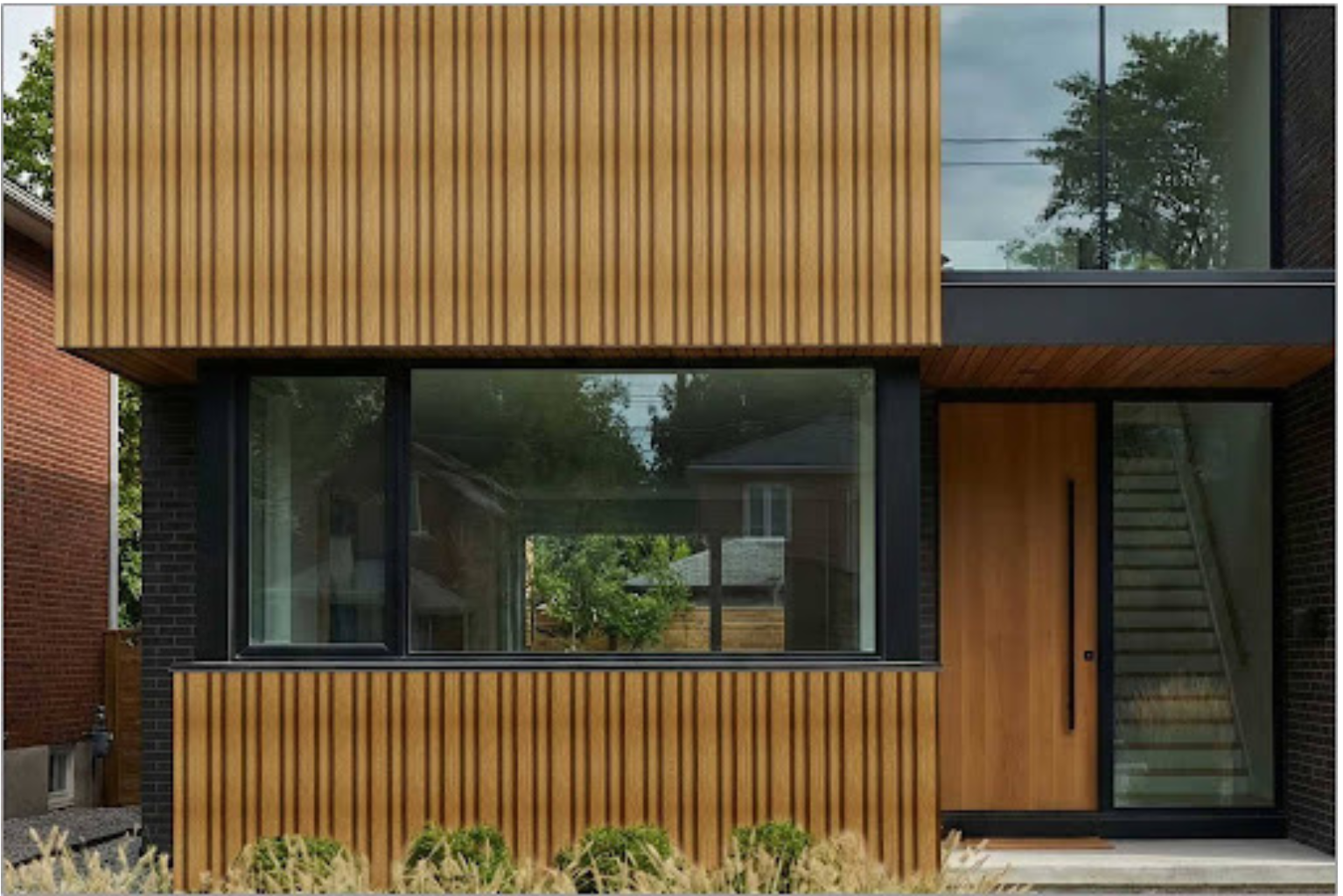
The exterior of a building does more than create a first impression. It acts as the first line of defense against weather, temperature changes, moisture, and everyday wear. As architectural styles continue to evolve, exterior wall cladding has become an increasingly popular solution for enhancing both performance and visual appeal. However, selecting the right cladding involves more than choosing a finish or color. Factors such as durability, maintenance, insulation, and long-term value all play a crucial role in determining how well a building performs over time.
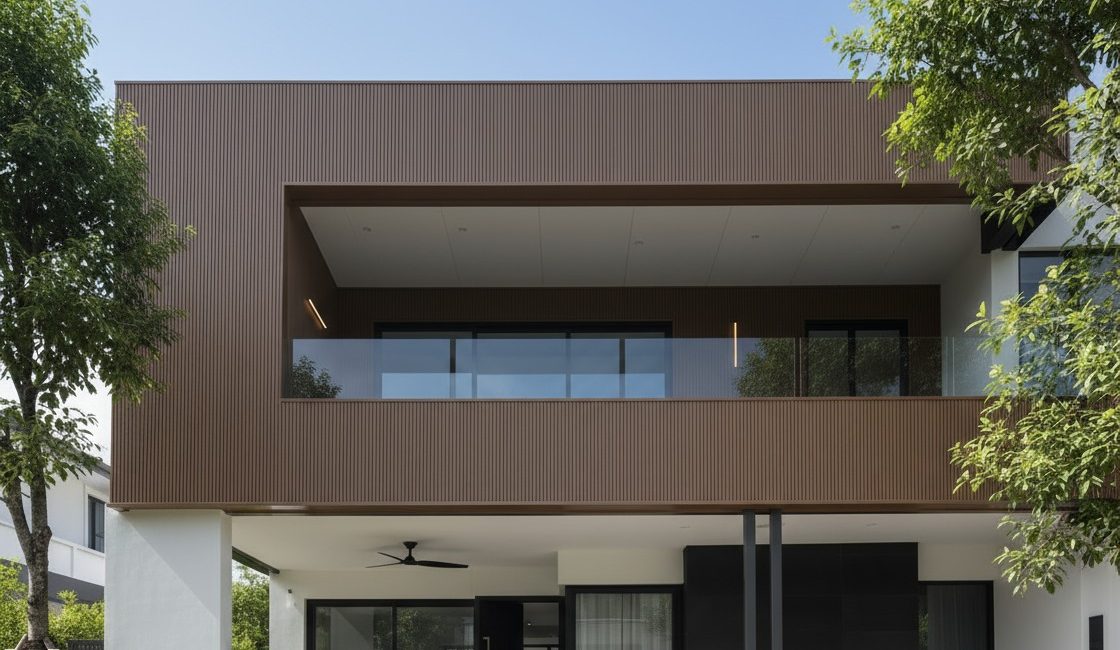
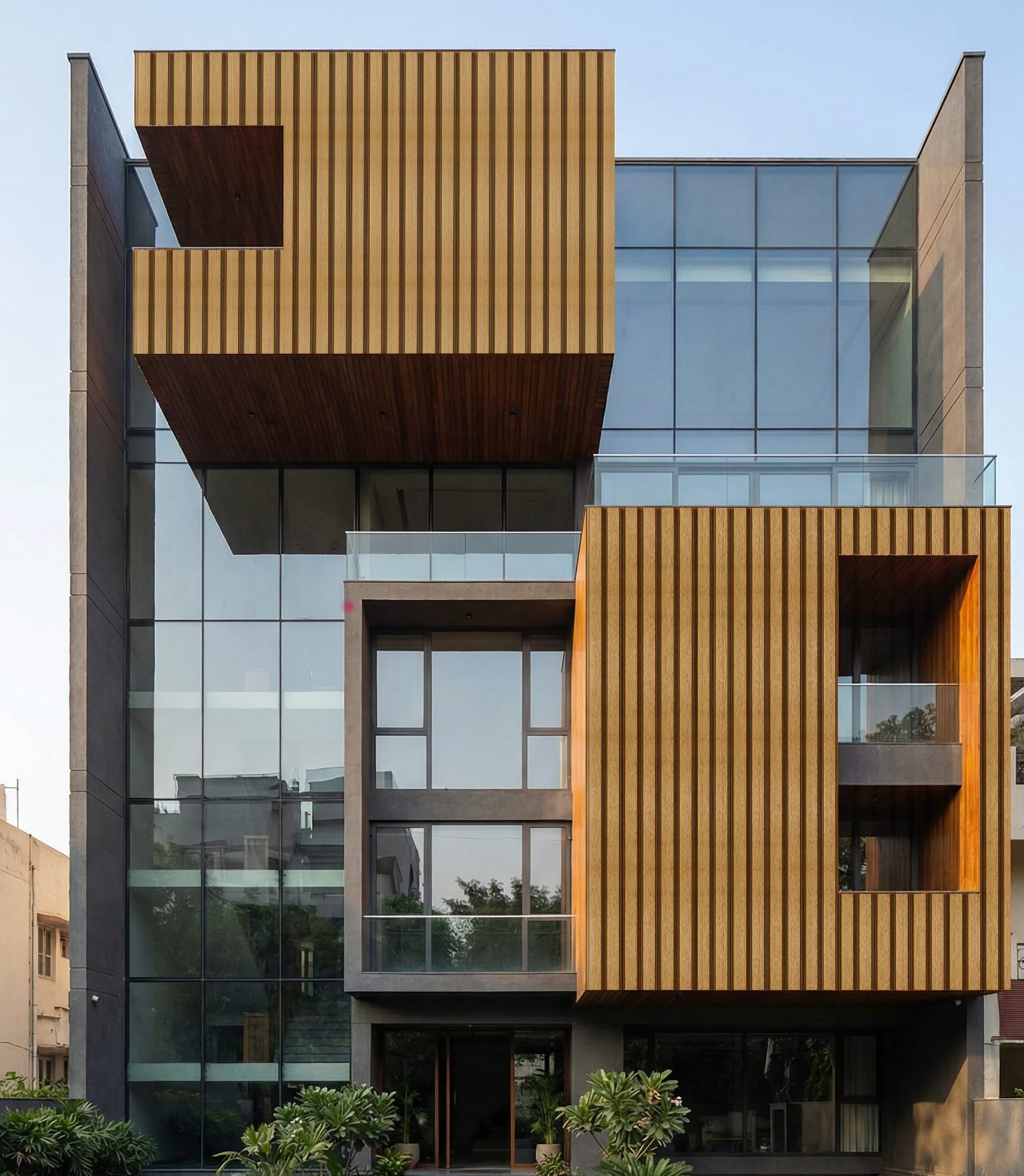
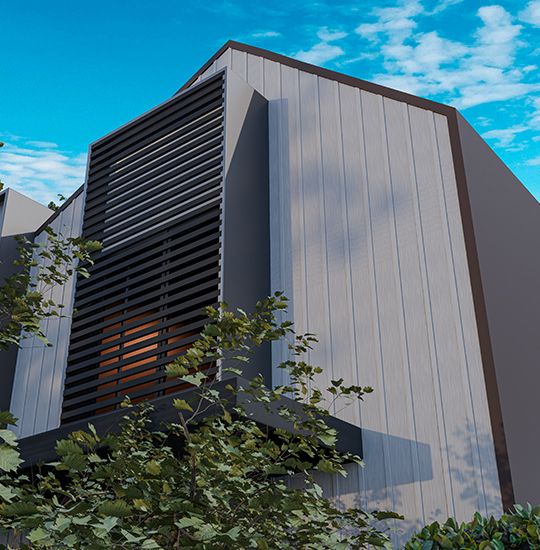
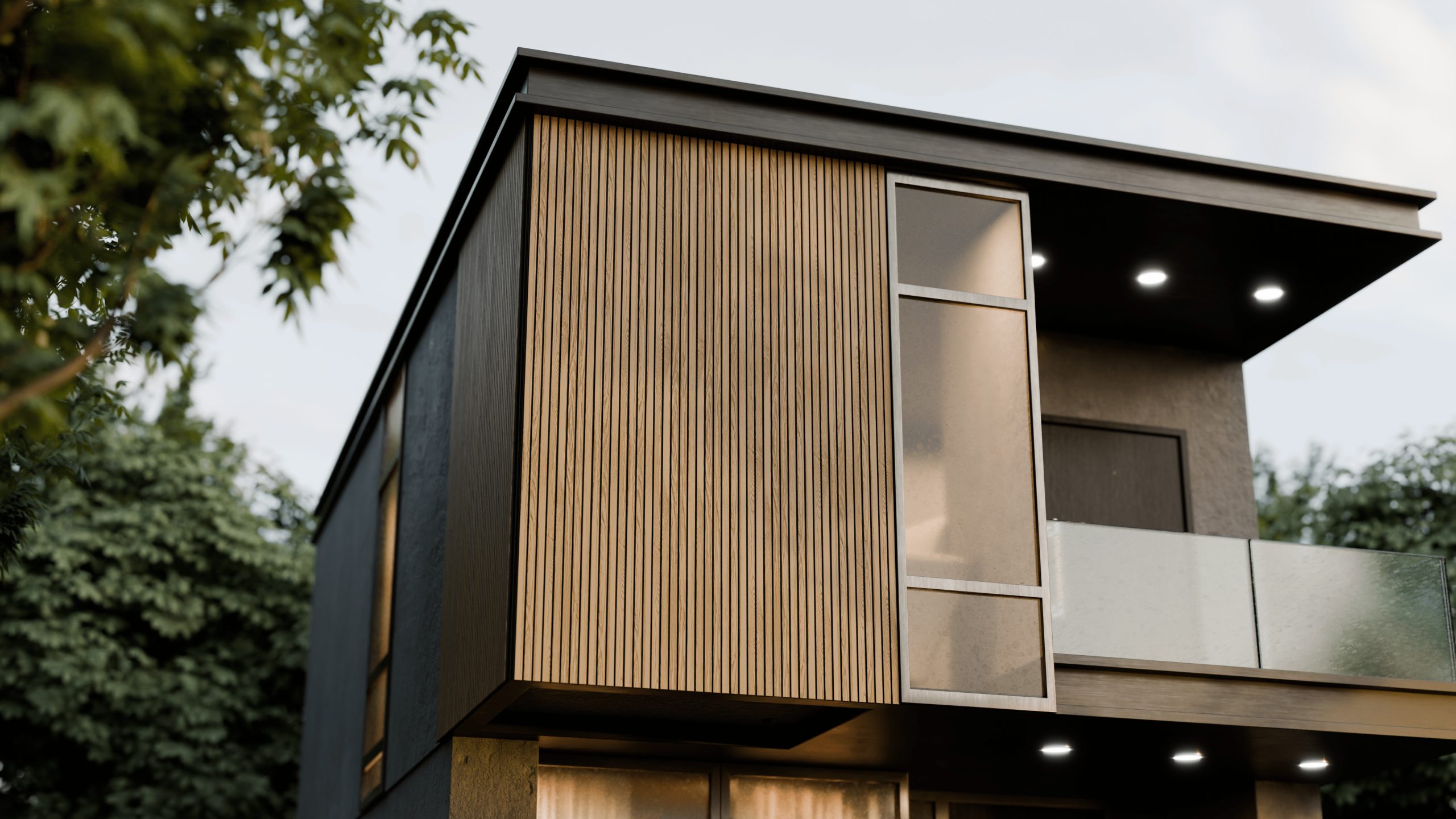
Exterior wall cladding is an additional layer installed over a building’s structural wall to provide protection and enhance appearance. Unlike load-bearing walls, Ventura external wall cladding primarily serves as a protective and decorative system.
Besides improving aesthetics, cladding helps protect exterior wall materials from moisture, UV exposure, and temperature fluctuations. It is widely used in residential, commercial, hospitality, and institutional projects to create durable and visually appealing building facades.
The right exterior cladding contributes to a building’s overall performance. It helps protect against weather-related damage, reduces maintenance requirements, supports thermal efficiency, and enhances property value. Selecting appropriate materials at the planning stage can also reduce long-term repair and replacement costs.
Also Read : WPC Wall Cladding: Tailoring Solutions for Homes and Businesses
Choosing the right exterior wall cladding requires balancing aesthetics, durability, performance, and long-term maintenance needs.
Different regions experience varying levels of rainfall, humidity, sunlight, and temperature changes. Exterior wall cladding should withstand local environmental conditions without premature deterioration.
The expected lifespan of the cladding material is an important consideration. Durable solutions offer better resistance to cracking, fading, warping, and impact damage.
Popular exterior wall cladding materials include wood, natural stone, metal, fiber cement, HPL panels,Ventura WPC cladding, and composite products. Each material offers distinct advantages in terms of appearance, durability, maintenance, and performance.
Cladding significantly influences a building’s visual identity. Consider colors, textures, patterns, and finishes that complement the project’s architectural style.
Some materials require regular sealing, painting, or treatment, while others need only occasional cleaning. Low-maintenance solutions are often preferred for long-term convenience.
Quality cladding can help reduce heat transfer, thereby improving indoor comfort and reducing energy consumption.
External wall cladding should effectively prevent water penetration and moisture-related issues such as mold, dampness, and structural deterioration.
Fire performance is an essential safety consideration. Depending on the project type and local regulations, fire-resistant cladding materials may be required.
Many projects now prioritize environmentally responsible materials. Recyclable and sustainably manufactured cladding options can support greener building practices.
Some systems require specialized installation techniques, while others are relatively straightforward. Installation time and labor requirements can influence overall project costs.
Initial material costs should be evaluated alongside maintenance, repair, and replacement expenses. A higher upfront investment may deliver better long-term value.
Choosing products from reputable manufacturers helps ensure consistent quality, performance standards, and warranty support throughout the product lifecycle.
Read More : How Exterior Wall Cladding Improves Thermal and Sound Insulation
Different exterior wall cladding materials offer varying levels of durability, maintenance, aesthetics, and cost, making it important to compare their characteristics before making a decision.
| Material | Durability | Maintenance | Appearance | Cost |
| HPL Cladding | High | Low | Modern | Medium |
| Fiber Cement | High | Low | Contemporary | Medium |
| Natural Stone | Very High | Medium | Premium | High |
| Wood Cladding | Medium | High | Natural | Medium-High |
| WPC Cladding | High | Low | Wood-like, Contemporary | Medium |
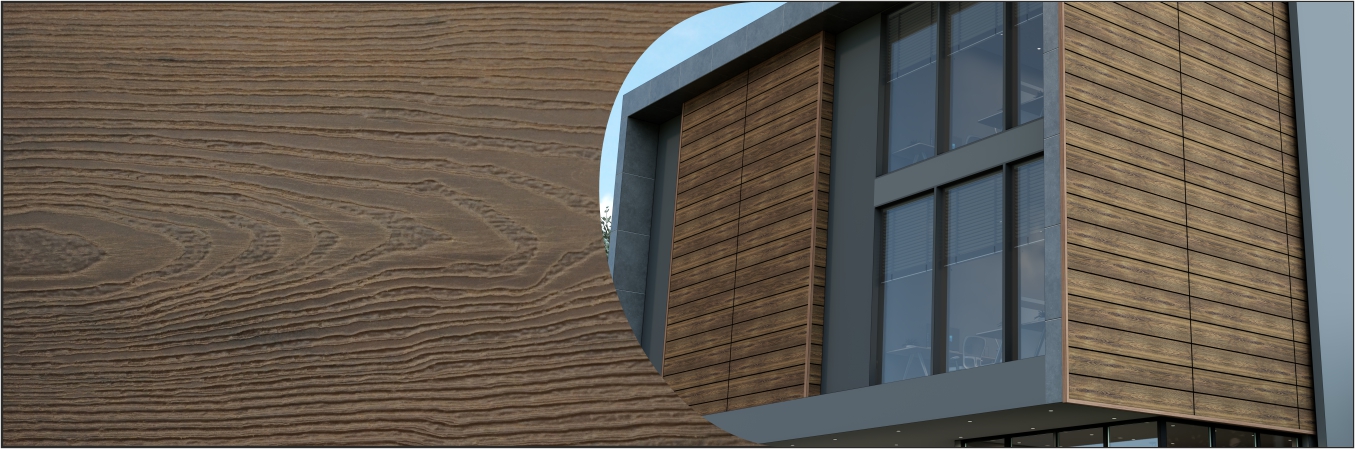
Ventura offers multiple exterior cladding solutions designed for modern facades. Collections such as Xterior WPC Klads, Legnoklad Duo, Legnoklad Alfa, and Techklad provide a range of finishes and design options suitable for residential and commercial applications.
Many property owners focus primarily on appearance when selecting exterior cladding. While aesthetics are important, factors such as climate suitability, maintenance requirements, durability, and long-term costs should not be overlooked.
Another common mistake is selecting low-quality materials solely based on initial price. This can result in higher maintenance expenses and premature replacement. Evaluating performance requirements early can help avoid costly decisions later.
Further Reading : Ultimate Guide to Exterior Cladding
Start by assessing the building’s location, environmental conditions, design objectives, and budget. Consider how the cladding will perform over time and whether it aligns with maintenance expectations.
Consulting architects, designers, or facade specialists can provide valuable guidance during material selection. Ventura’s exterior collections, including Xterior WPC Klads, Legnoklad Duo , Legnoklad alpha , Legnoklad Plus and Techklad, offer options that address both aesthetic and functional requirements across various project types.
Choosing the right exterior wall cladding involves balancing aesthetics, durability, maintenance, safety, and long-term performance. By carefully evaluating these 12 factors, homeowners, architects, and builders can identify solutions that suit their project’s specific needs. From selecting appropriate exterior wall cladding materials to considering climate conditions and lifecycle costs, every decision contributes to a facade that remains attractive and functional for years to come. Exploring reliable solutions such as Ventura’s exterior cladding collections can further support informed design choices.
The best material depends on the project’s location, budget, design goals, and maintenance expectations. HPL, fiber cement, stone, metal, and Ventura Exterior WPC cladding are commonly used options.
Lifespan varies by material, installation quality, and environmental conditions. Many cladding systems can last several decades with proper maintenance.
Most cladding systems are designed to resist water penetration, though performance depends on material quality and correct installation.
HPL cladding, metal cladding, and many composite cladding systems generally require minimal maintenance.
Certain cladding systems can help reduce heat transfer and improve a building’s thermal performance.
Costs vary depending on material type, design, installation requirements, and project scale. Premium materials generally have higher upfront costs than standard options.
Exterior wall cladding is widely used across residential, commercial, hospitality, and institutional projects.

Step onto a well-designed balcony or rooftop terrace, and it instantly feels like an extension of the living space rather than just an outdoor area. As more homeowners and designers
Choosing the right exterior wall cladding is more than a design decision because it affects protection, insulation, and the long-term durability of your property. Cladding acts as a barrier against
Exterior wall cladding is an external layer applied to buildings that protects walls from weather, enhances aesthetics, and improves indoor comfort. It acts as a barrier against heat, cold, and
When you’re building or renovating a home, the exterior deserves just as much thought as the interior. It’s the first thing anyone notices, and it plays a big part in
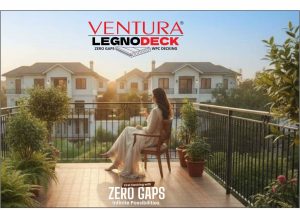
Outdoor spaces deserve as much attention as interiors, yet traditional wood decking often struggles to stand the test of time. Constant exposure to moisture, sunlight, and temperature changes can cause
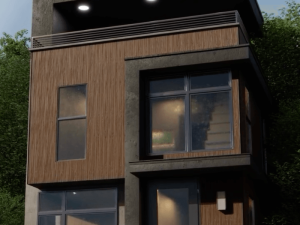
Cladding made from timber reflects a classic and artistic design choice for building facades. It is a construction material that beautifully combines natural appeal, warmth, and strength while providing insulation
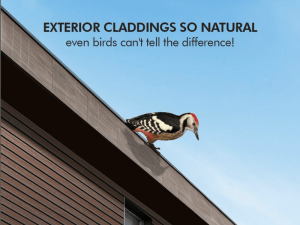
With regards to aesthetics and keeping the building structure in its best & pristine condition, Exterior Cladding is considered to be one of the most crucial components. Whether it is