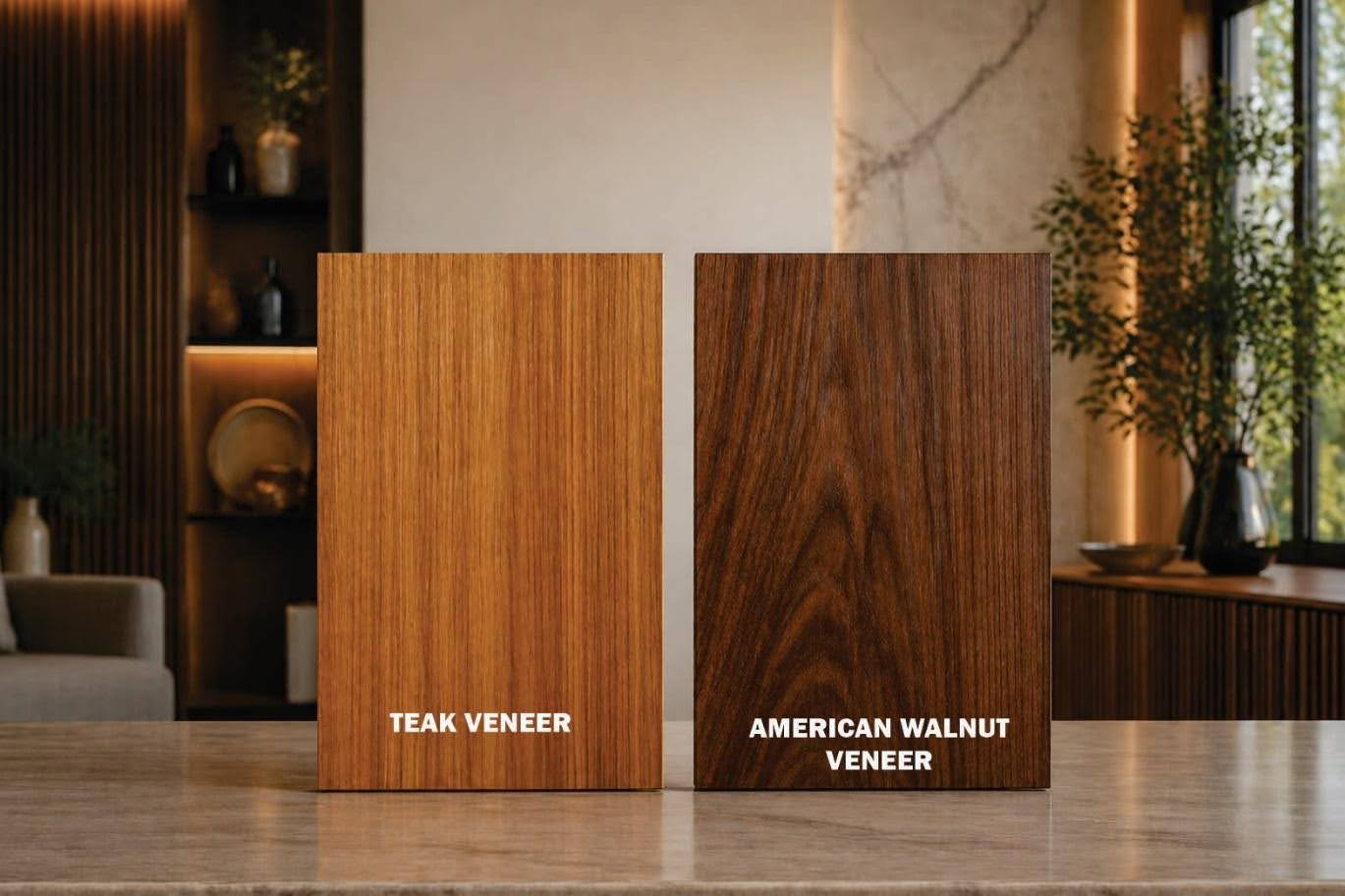
The demand for wood veneer in modern interiors has grown steadily, driven by the need for natural aesthetics combined with practical functionality. Homeowners and interior designers often explore options such as teak and walnut veneer sheets to achieve a refined, wood-rich look without using solid timber. However, choosing between teak veneer and American walnut veneer can be confusing. Factors such as durability, cost, and visual appeal often influence the decision. While both materials offer distinct advantages, understanding their characteristics helps in selecting the right fit for your space.
What is Wood Veneer?
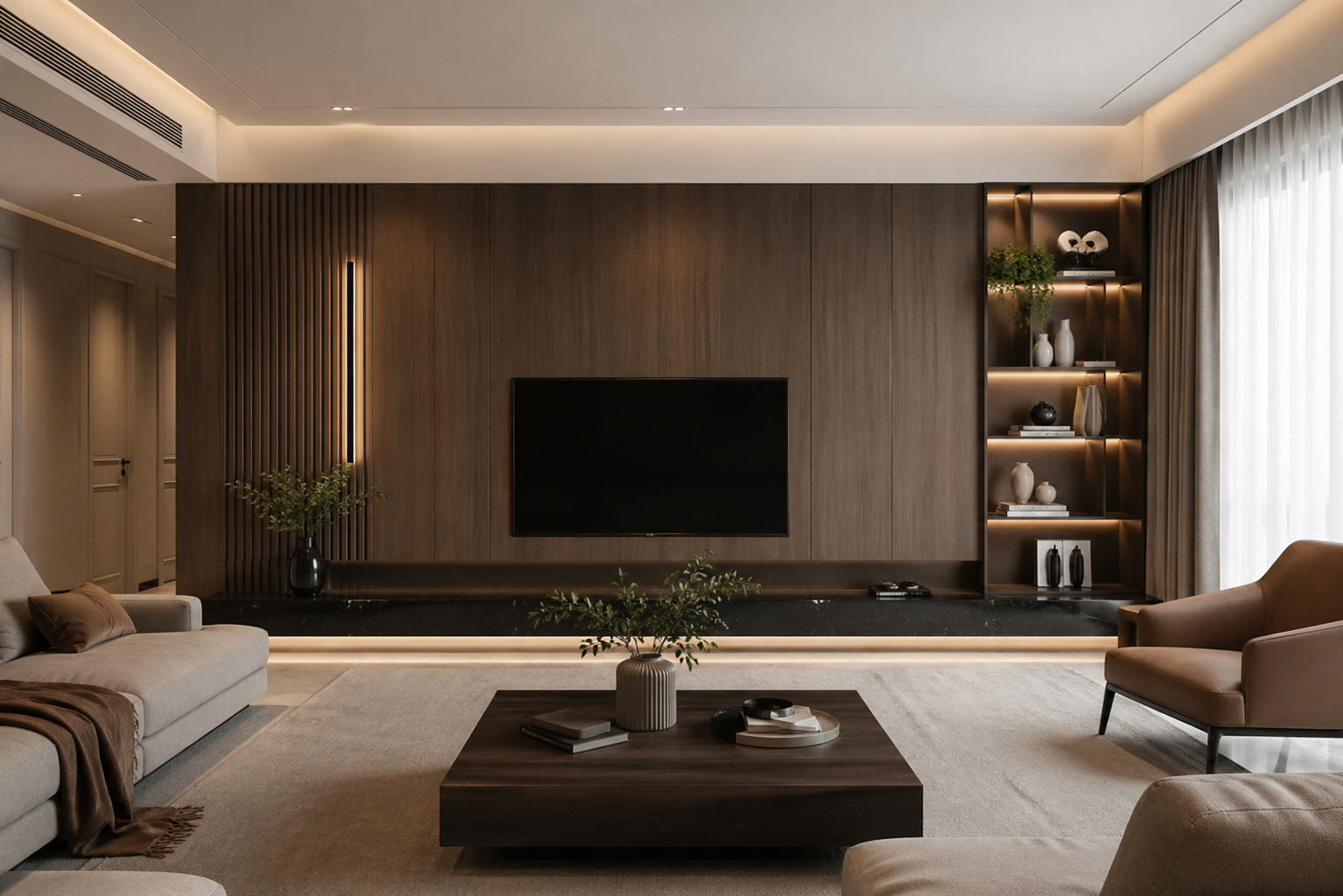
Wood veneer is a thin layer of natural wood applied over a base surface to replicate the look of solid wood. It is widely used for its versatility and efficiency. Veneers are cost-effective, reduce the use of solid timber, and support flexible design. Options like teak and walnut veneers offer varied textures and finishes, making them suitable for different interior styles while supporting more sustainable use of wood.
Related Read : What is Wood Veneer? How does it Enhance the Interior Look?
What is Teak Veneer?
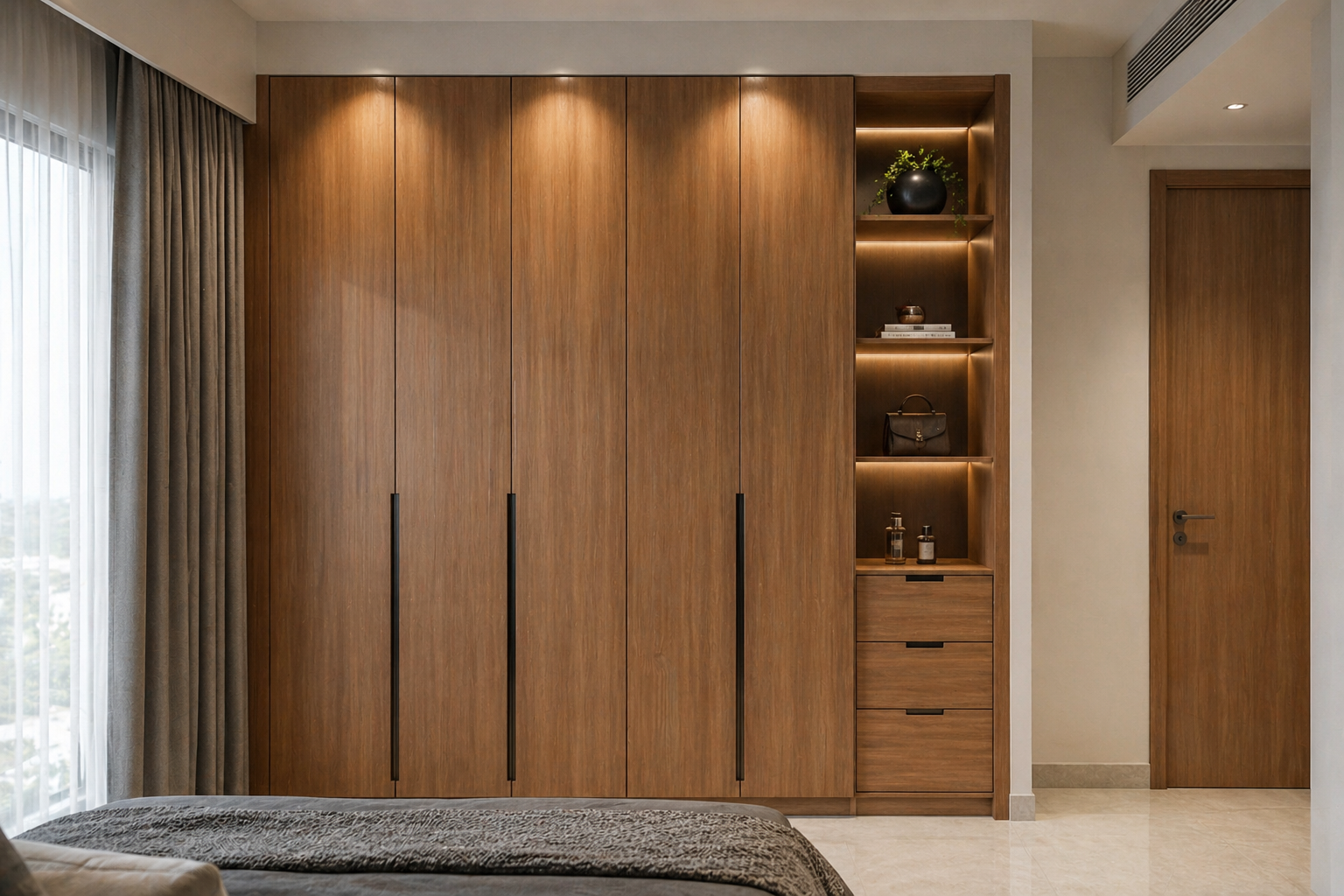
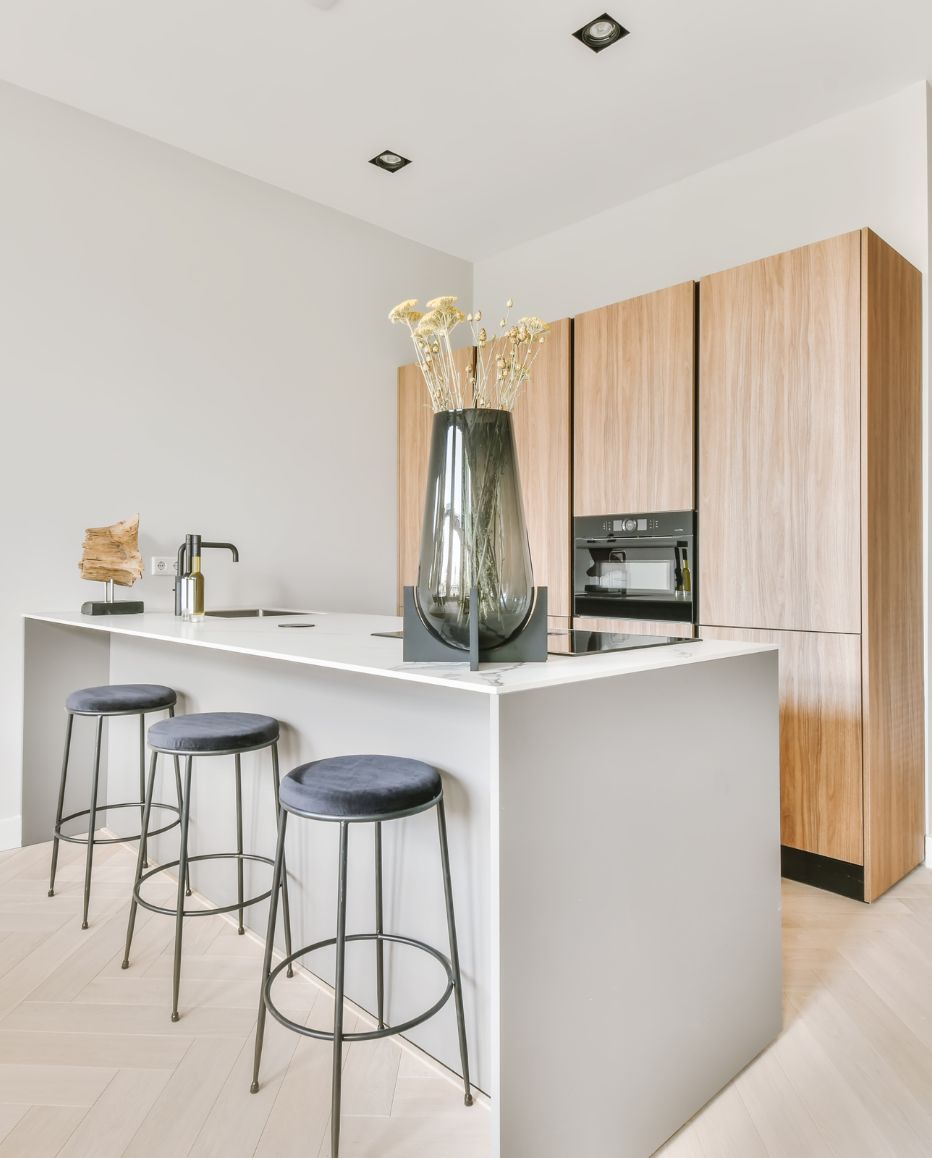
Teak veneer is made from natural teak wood and is valued for its durability and warm look. Available in teak veneer sheets, feature a distinct grain golden to medium-brown tone. Its natural oil content helps resist moisture, making it suitable for high-use areas. It is widely used for doors, wall panels, and furniture, with teak veneer doors especially preferred for their strength and visual appeal. Ventura’s Duro Nature’s Signature collection offers teak wood veneer options with a consistent finish for everyday interiors.
What is an American Walnut Veneer?
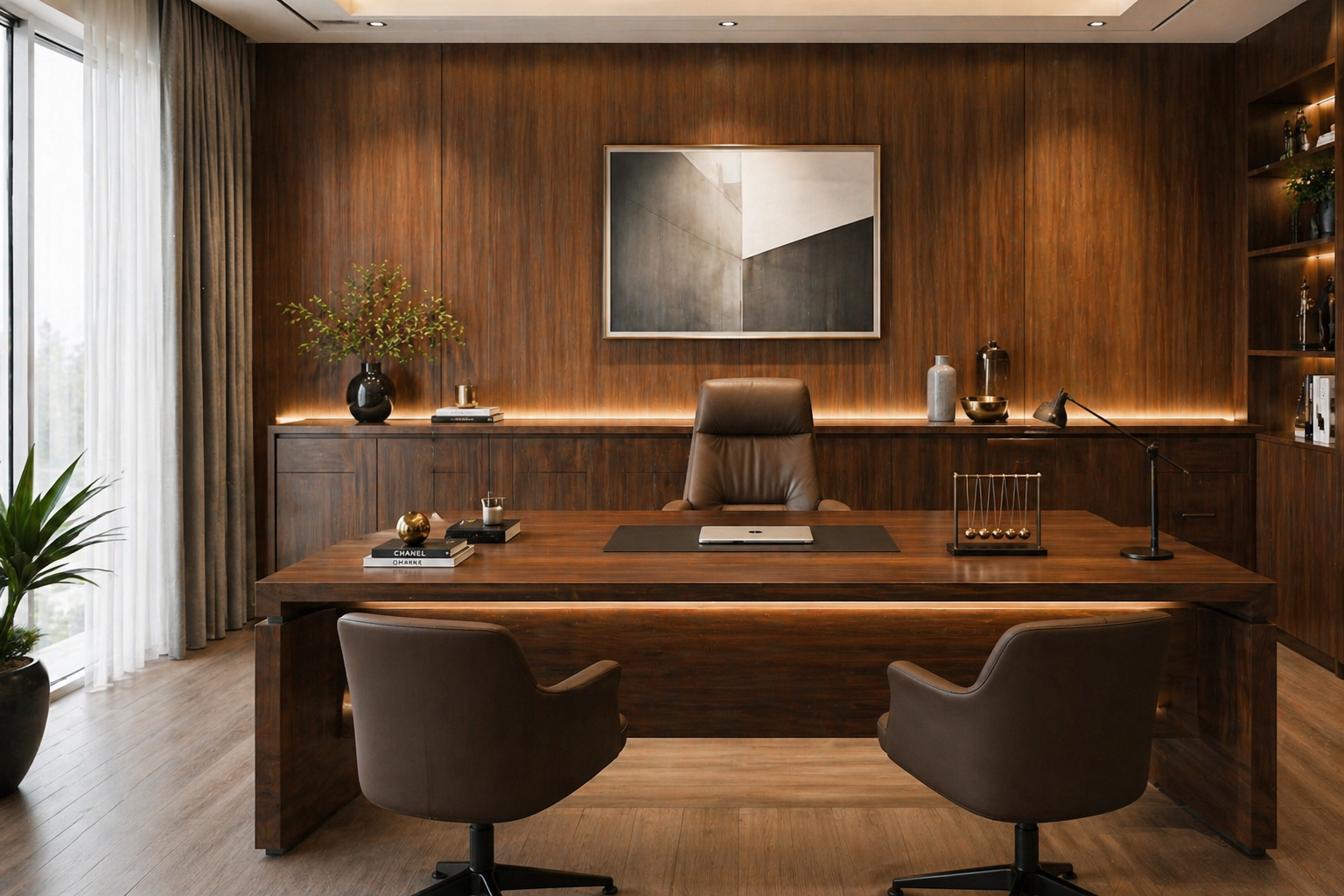
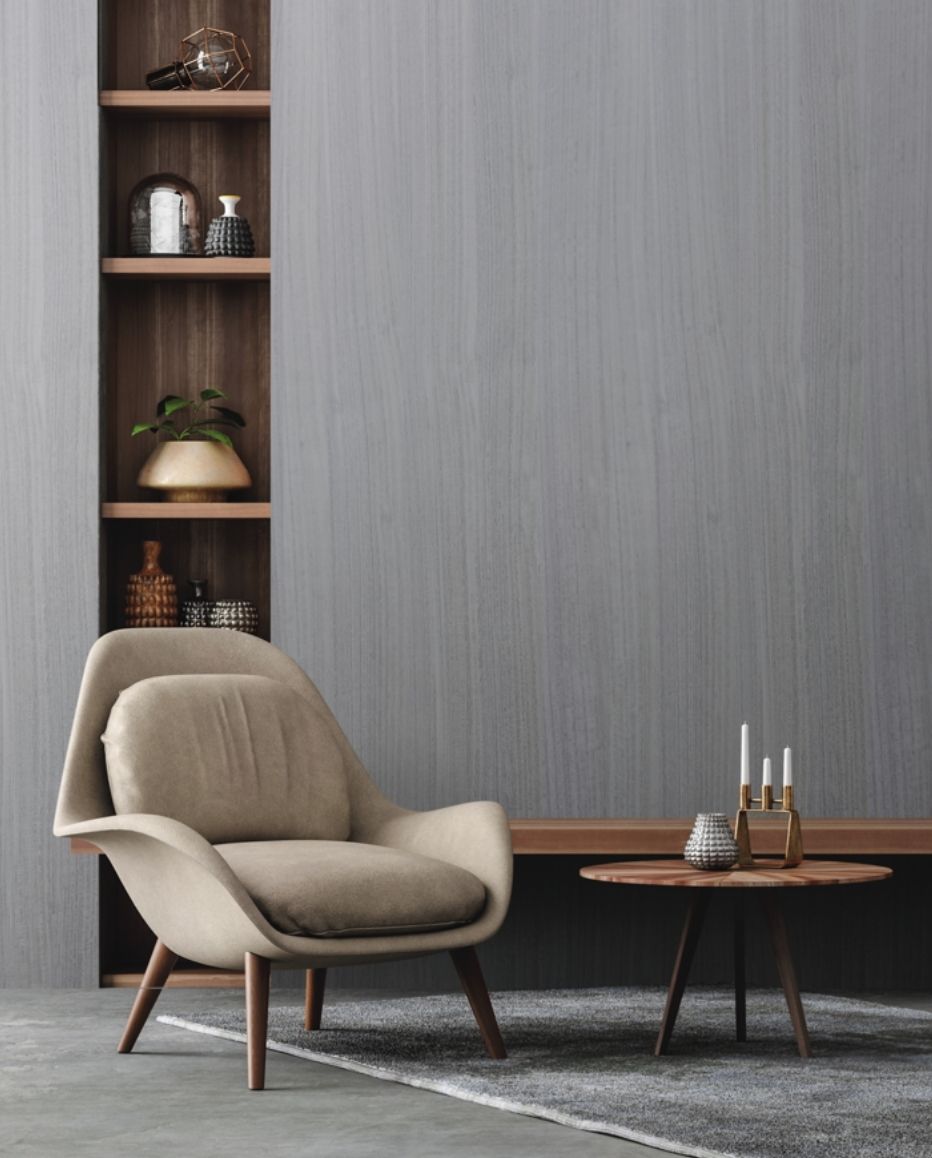
American walnut veneer is a premium hardwood veneer Originating from North American trees known for its rich, dark tone and smooth grain. Often compared to Teak, it creates a deeper and more dramatic look than lighter veneers. It is widely used in luxury interiors for furniture, feature walls, and statement elements. Its refined finish adds depth and sophistication to modern spaces. Venturaindia offers curated walnut veneer options with consistent quality and natural grain definition.
Teak Veneer vs American Walnut Veneer: Key Differences
Teak and walnut veneers differ in color, grain pattern, durability, and overall aesthetic appeal, making each suitable for distinct interior design needs.
| Feature |
Teak Veneer |
American Walnut Veneer |
| Color |
Golden to medium brown |
Dark brown to chocolate |
| Texture |
Natural, slightly coarse |
Smooth and fine-grained |
| Durability |
Highly durable |
Moderately durable |
| Moisture Resistance |
Naturally resistant |
Requires care |
| Cost |
More affordable |
Premium priced |
| Usage |
Doors, panels, furniture |
Luxury interiors feature elements |
Benefits of Teak Veneer vs Walnut Veneer
Teak veneer and walnut veneer each offer distinct benefits in terms of durability, appearance, and versatility. These differences make them suitable for a range of design preferences and functional requirements.
1. Benefits of Teak Veneer
Teak wood veneer is known for its strength and long life. It resists moisture, making it suitable for the Indian climate. Its durability supports regular use, while its cost makes it a practical and accessible choice for many interiors.
2. Benefits of Walnut Veneer
Walnut veneer is valued for its premium look and smooth finish. Its rich dark tone adds depth and contrast to modern spaces. It is commonly used in high-end interiors to create a refined and visually striking effect.
Also Read : Top 5 Reasons to Choose Wood Veneer Wall Panels for Your Indoor Walls
Design & Aesthetic Appeal
Teak veneer brings warmth and a traditional feel to interiors. It adds character and works well in classic and transitional designs. It pairs easily with neutral palettes and wooden furnishings.
Walnut veneer, on the other hand, offers a sleek and contemporary appearance. Its dark tone creates a bold visual statement, making it suitable for modern and minimalist spaces. Ventura’s Duro Nature’s Signature veneer collections offer options that support both design directions without compromising finish quality.
Durability & Maintenance
Teak veneer is known for its durability and resistance to moisture. It requires minimal maintenance and performs well over time, even in high-use environments. This makes it suitable for doors, cabinetry, and wall panels.
Walnut veneer is durable but requires more care. It is sensitive to scratches and may need occasional polishing to maintain its finish. It is best used in areas where wear and tear are limited.
Cost Comparison
When comparing the prices of teak veneer sheets and walnut veneer, teak is the more budget-friendly option. It offers strong value for money due to its durability and lower cost.
Walnut veneer falls into the premium category. Its higher price reflects its aesthetic appeal and limited availability. It is typically chosen for design-focused applications rather than functional ones.
Best Use Cases
Teak veneer is ideal for cabinets, and wall panels, offering durability for everyday use in homes and offices. Teak veneer doors are highly preferred for their durability, natural moisture resistance, and warm aesthetic appeal.
Walnut veneer works best in luxury settings, including furniture, living room walls, and executive office interiors. It is often used to create focal points within a space.
Further Reading : Top 10 Interior Decorative Panels to Improve Your Living Room
Which One Should You Choose?
Choosing between teak veneer and walnut veneer depends on your priorities. If you are looking for durability, affordability, and ease of maintenance, teak veneer is a reliable choice. It supports functional design while maintaining a natural wood look.
If your focus is on luxury and modern aesthetics, walnut veneer is more suitable. It adds depth and sophistication but requires careful maintenance. Our veneer range allows you to explore both options with consistent quality and finish.
Also Read : Stunning Natural Veneers for Walls: Unveiling the Beauty of Ventura’s Collection
Conclusion
Teak veneer offers durability, practicality, and value, making it suitable for everyday interiors. Walnut veneer, in contrast, delivers a premium look with a strong visual impact. The final decision depends on your budget, design preference, and intended use. Both materials serve different purposes, and selecting the right one ensures a balanced and well-designed interior.
If you are exploring veneer options for your next project, Ventura’s Nature’s Signature collection offers a curated range of teak and walnut veneer finishes designed for consistent quality and versatile applications.
Frequently Asked Question
1. What is the difference between teak veneer and walnut veneer?
Teak veneer is lighter, more durable, and moisture-resistant, while walnut veneer is darker, smoother, and more premium-looking.
2. Which is more durable: teak veneer or walnut veneer?
Teak veneer is generally more durable due to its natural oils and moisture resistance.
3. Is teak veneer good for doors?
Teak veneer doors are widely used because they offer strength, durability, and a natural finish.
3. Why is walnut veneer more expensive?
Walnut veneer is considered premium due to its rich color, smooth grain, and limited availability.
4. What is the price of teak veneer sheets?
The price of teak veneer sheets is typically lower than that of walnut veneer, making it a cost-effective option for interiors.
5. Can teak and walnut veneer be used together?
Combining both can create contrast, with teak adding warmth and walnut adding depth.
6. Which veneer is better for modern interiors?
Walnut veneer is often preferred for modern interiors due to its sleek and dark finish.
Manish Maheshwari
Position: Founder – Ventura International Pvt Ltd.
Education: IIT Roorkee (B.E. – Mechanical Engineering) and IIM Lucknow (Marketing & Finance)
Manish Maheshwari, the visionary Co-founder of Ventura International. With a background in Engineering from IIT Roorkee and an MBA from IIM Lucknow, his expertise spans across Finance, Economics, and Strategy. At the helm of Ventura’s vision, Manish leads the charge in planning and executing strategies for growth and innovation. His unwavering passion ensures that Ventura sets the bar high, always striving for unparalleled excellence.