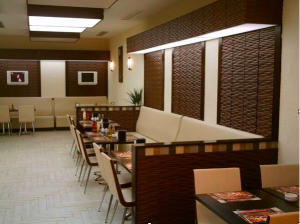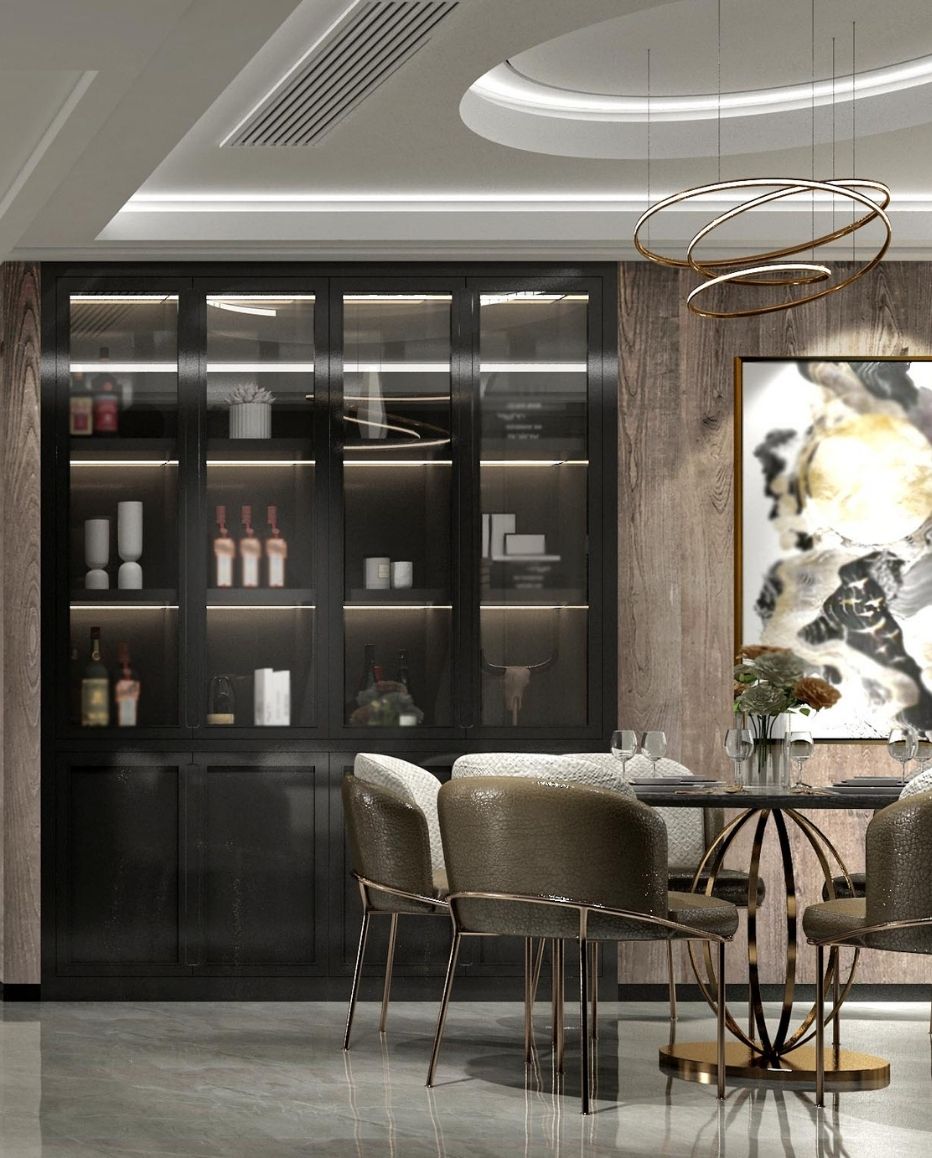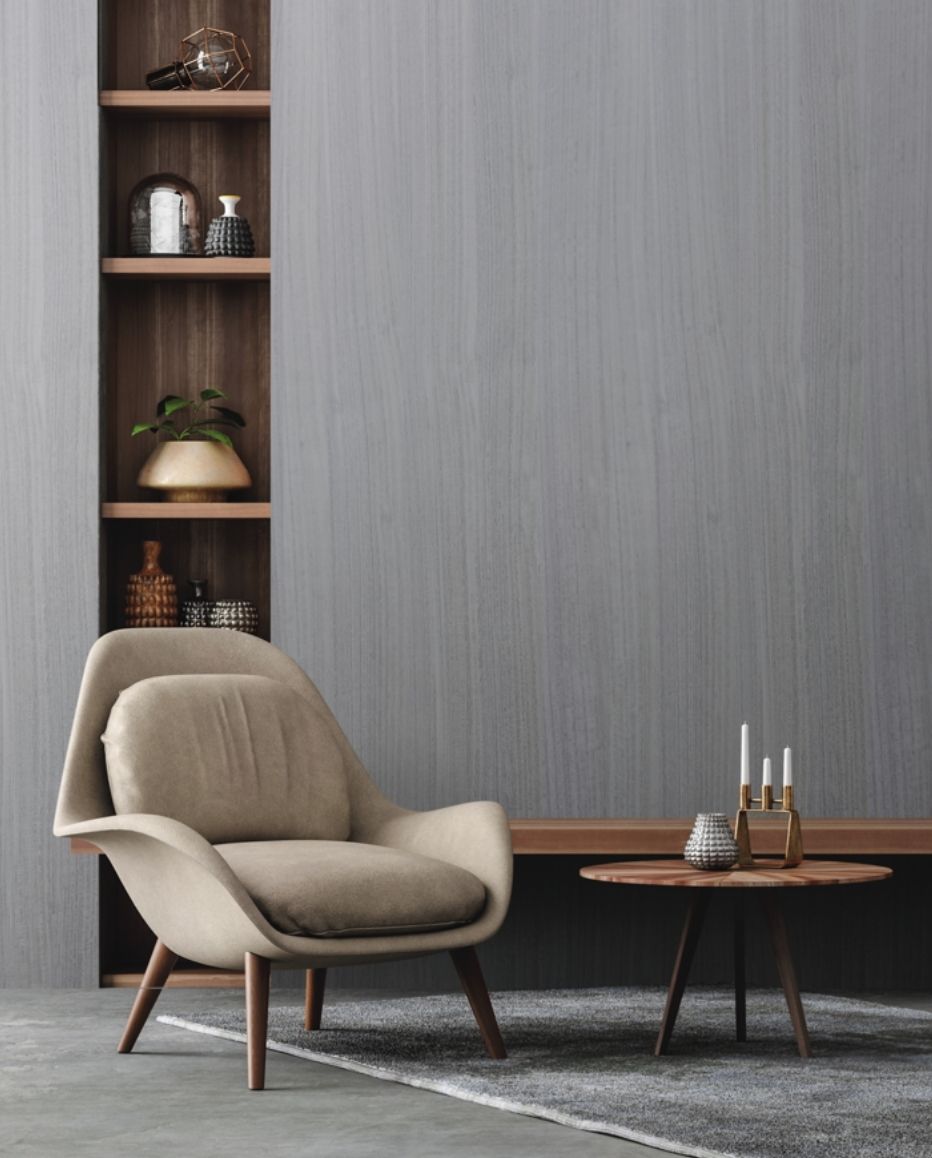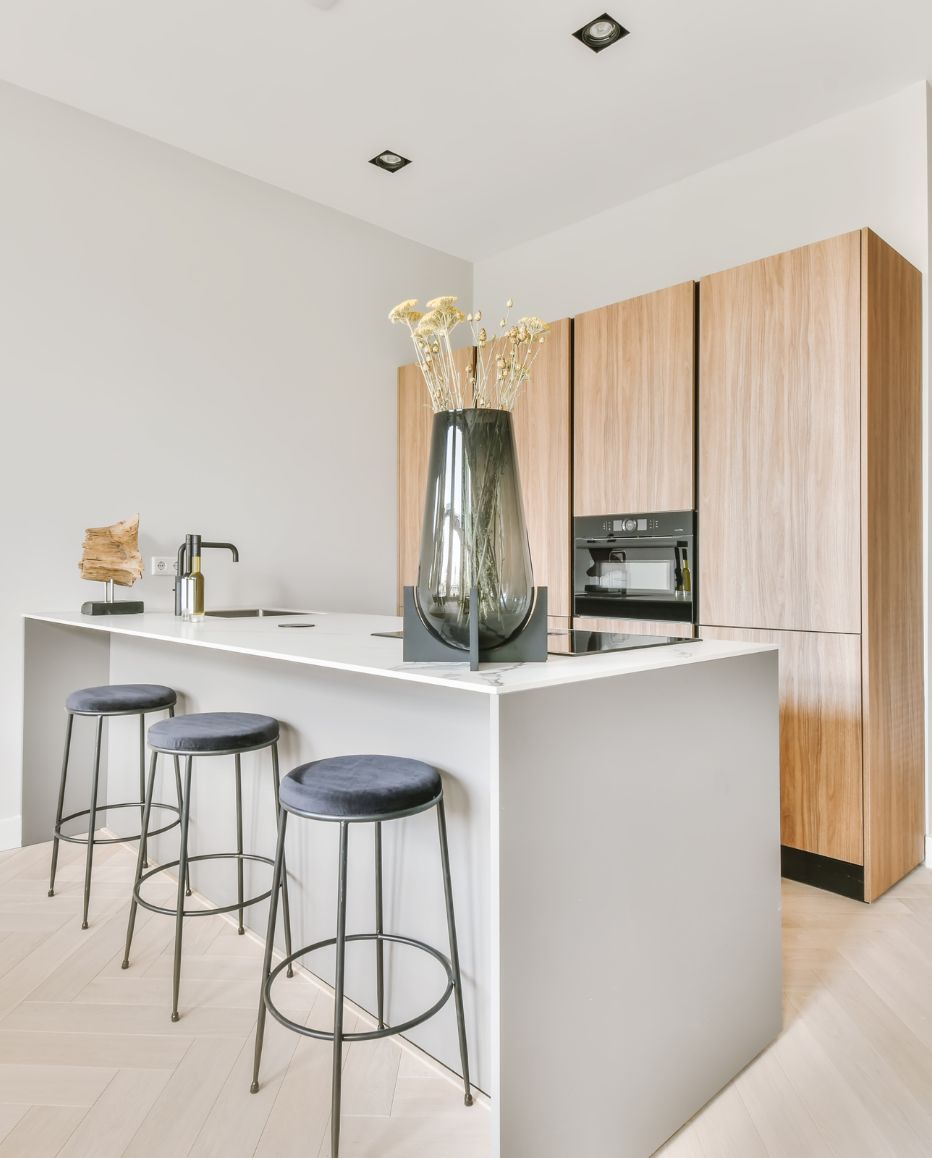
In the competitive landscape of interior architecture, the selection of surface materials is not merely about decoration; it is about performance, acoustics, and biophilic connection. While paint and wallpaper offer superficial solutions, veneer wall cladding creates a structural depth that defines premium interiors. However, a common query among homeowners and specifiers remains: Why choose veneer wall coverings over solid lumber or laminates?
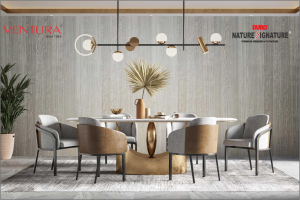
Unlike solid wood, which is susceptible to environmental warping, architectural veneer wall panels such as those found in Duro Natura’s Signature collection offer a calibrated balance of engineered stability and visual fidelity.
This guide explores the technical and aesthetic rationale behind specifying interior veneer wall panels, supported by industry data and material science.
1. Timeless Aesthetic Appeal and Biophilic Design
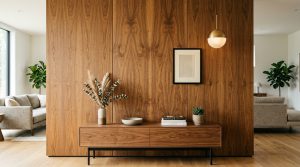
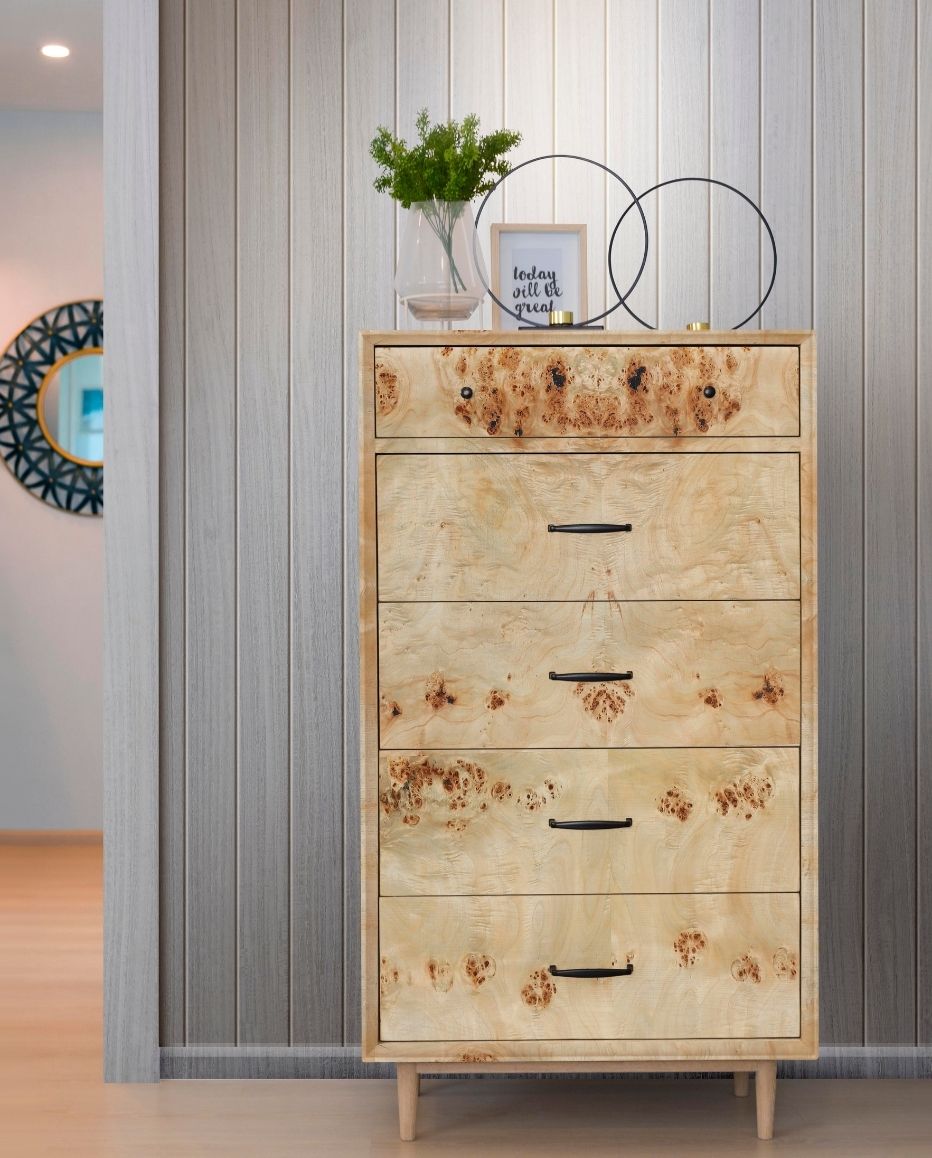
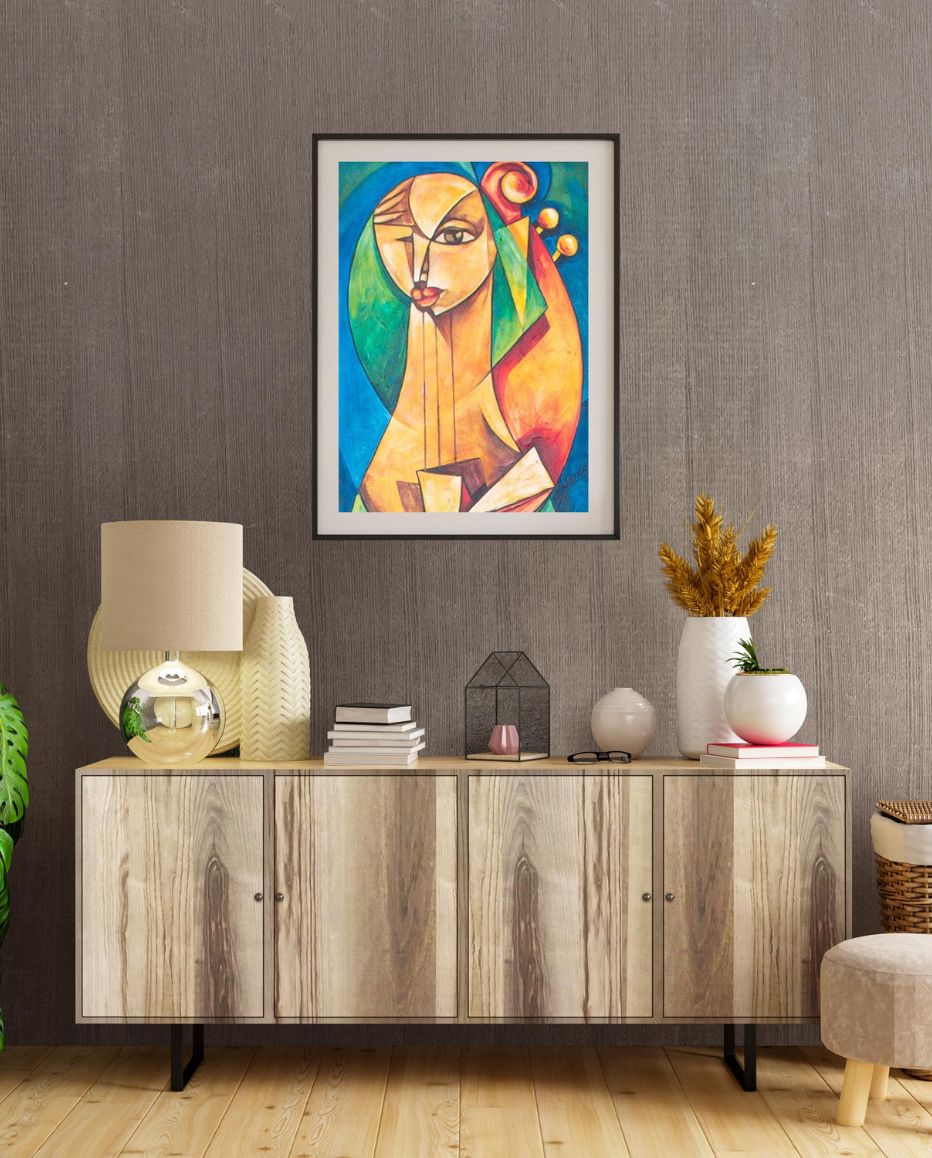
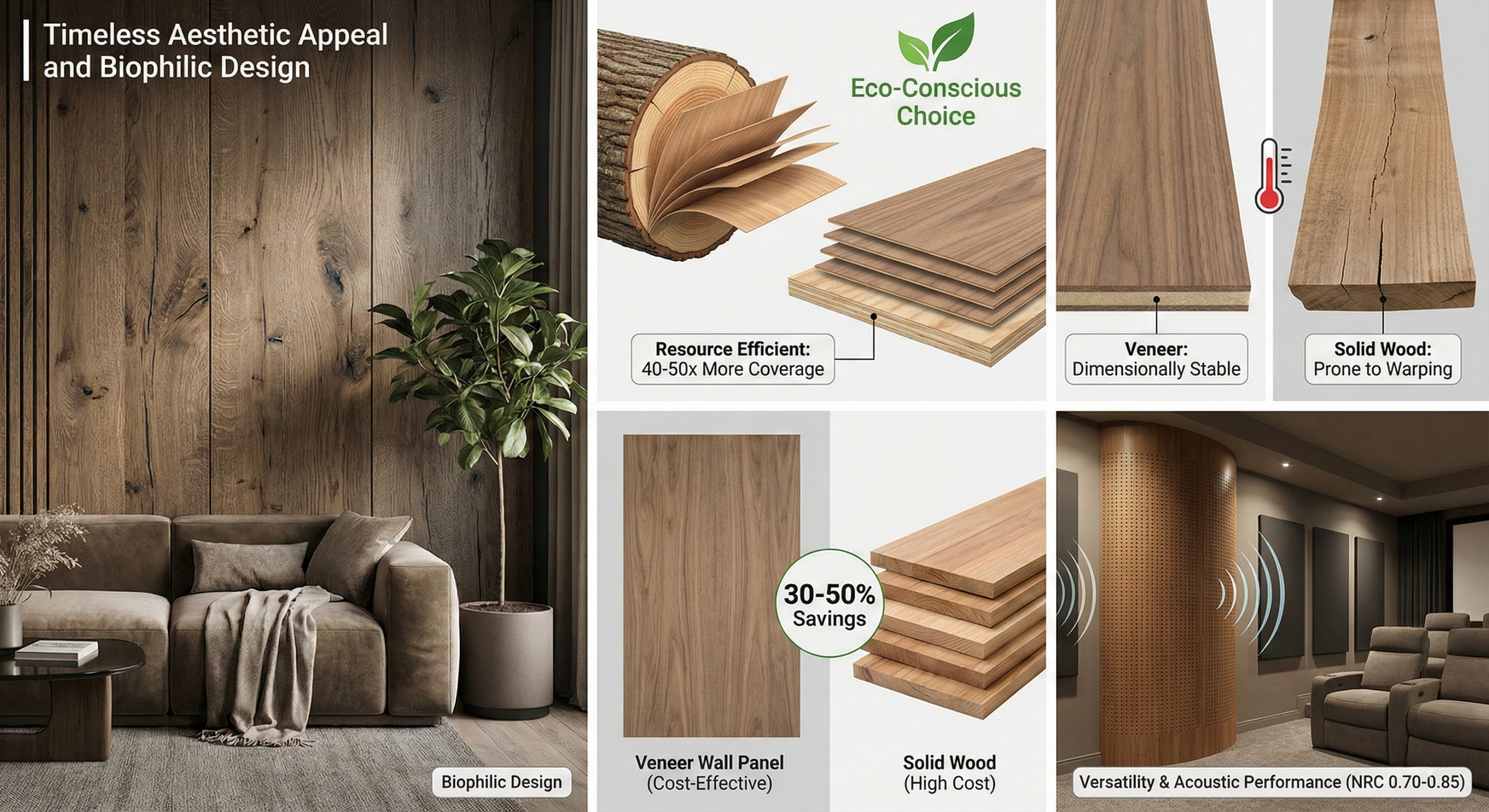
Natural wood veneer wall panels provide an authenticity that synthetic prints cannot mimic. Because veneers are sliced directly from high-grade logs, they retain the original cathedrals, mineral streaks, and grain variation of the species. This authentic visual texture creates a direct link to nature, aligning with Biophilic Design principles. Research indicates that visual exposure to wood grain in modern veneer wall panels can lower sympathetic nervous system activation, effectively reducing stress levels in occupants.
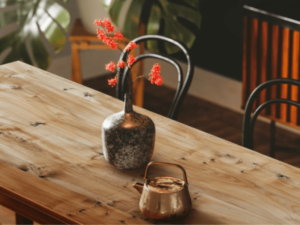
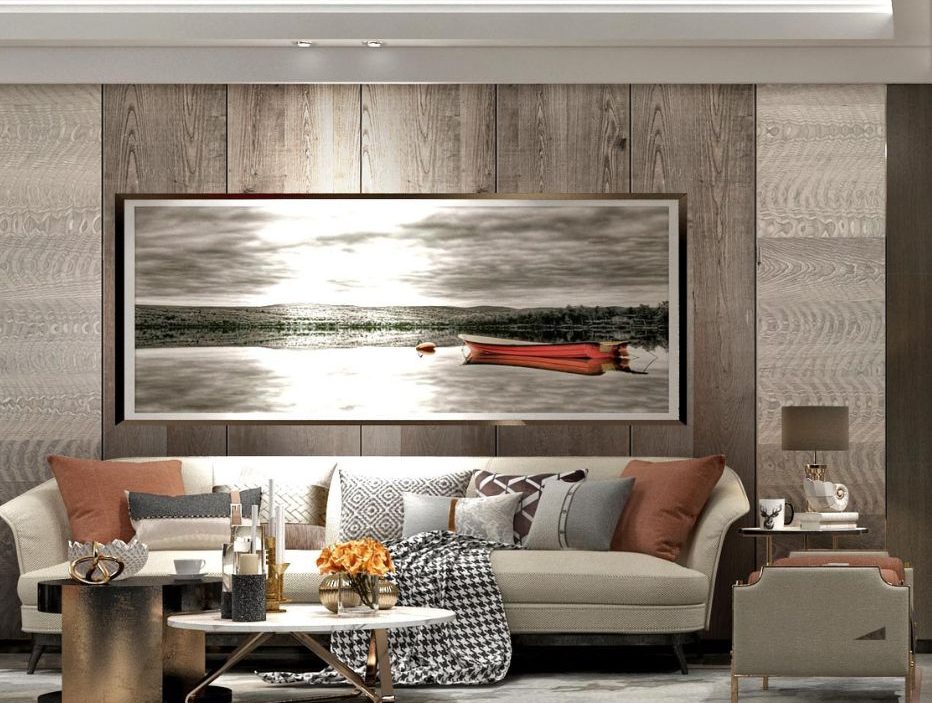
Whether utilizing veneer wall panels for living room feature walls or high-traffic corridors, the organic variation ensures no two veneered wall surfaces are identical. Designers can leverage this uniqueness with Duro Natura’s Signature range, specifying distinct textures such as rough-cut, smoked, or fumed finishes introducing tactile sophistication that flat paint simply cannot achieve.
2. An Eco-Conscious Architectural Choice
Sustainability is no longer optional; it is a specification requirement. Veneer sheets for wall panels represent one of the most resource-efficient uses of timber. According to wood utilization data, slicing a log into veneer yields approximately 40 to 50 times more surface coverage than sawing the same log into solid planks.
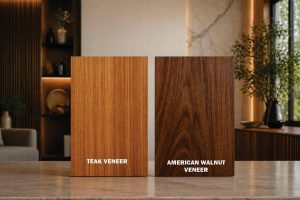
By adhering to this efficiency, Duro Natura’s Signature panels allow for the use of exotic species (like Macassar Ebony or Teak) without the massive carbon footprint associated with solid wood extraction. Furthermore, when these veneer wood panels wall systems are bonded to E1-grade MDF or low-emission plywood cores, they constitute a responsible choice for Green Building certifications.
Related Read : Stunning Natural Veneers for Walls: Unveiling the Beauty of Ventura’s Collection
3. Enhanced Stability and Durability
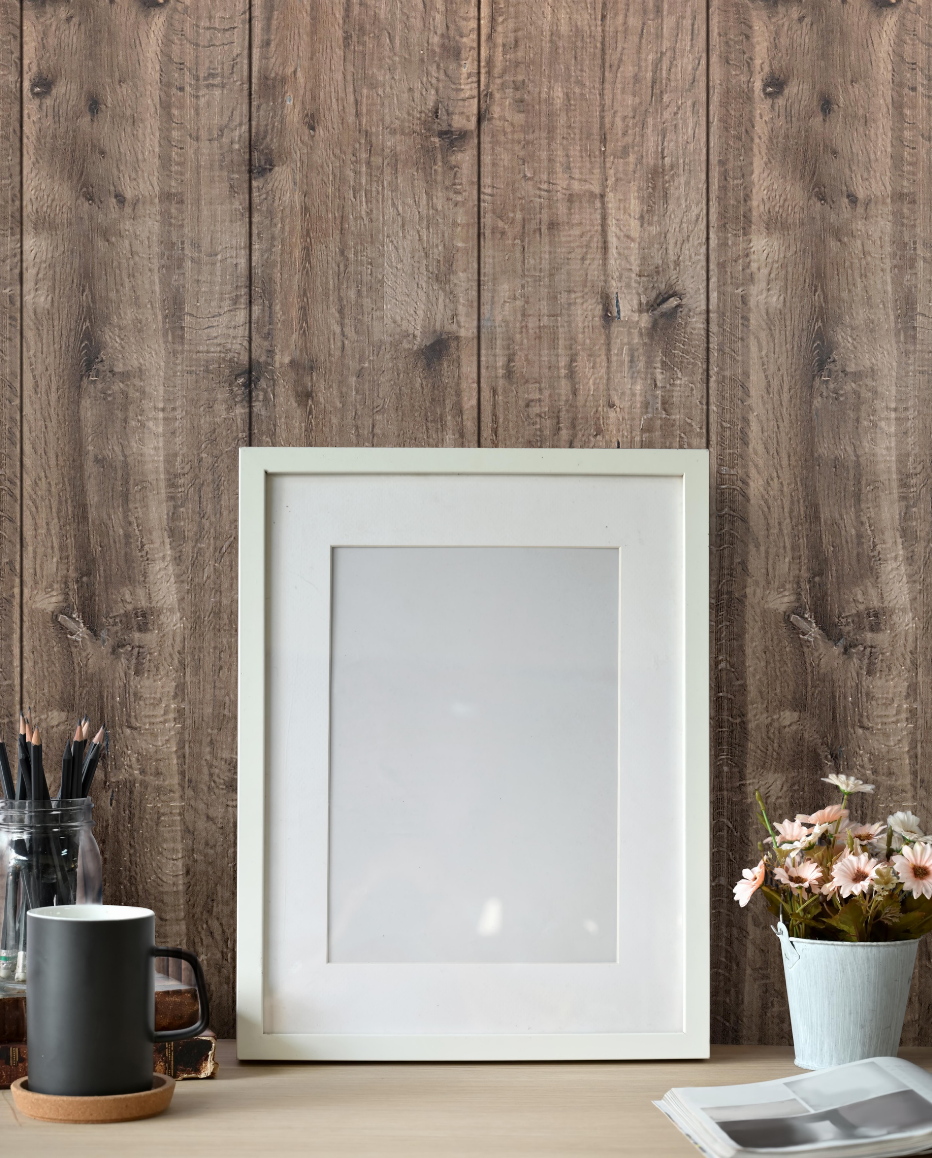
A critical technical advantage of wall panels wood veneer applications is dimensional stability. Solid wood is hygroscopic and anisotropic, meaning it swells and shrinks significantly with humidity fluctuations. In contrast, veneers for wall paneling are adhered to an engineered substrate (Core) that minimizes this movement.
This cross-laminated construction ensures that veneer wall panels for bedroom interiors or air-conditioned offices do not warp or crack under thermal stress. Additionally, premium veneer wall panels are often finished with UV-cured lacquers. While it is important to note that no natural wood is entirely immune to UV fading, these factory-applied finishes on veneer wall finish systems offer significantly higher scratch resistance and longevity compared to on-site polished carpentry.
4. Value Engineering: Cost-Effective Luxury
For project managers and homeowners alike, veneer wall panel design offers a Value Engineering advantage. Creating a full veneer wall interior design using solid hardwood is often cost-prohibitive and structurally heavy.
Wooden veneer wall panels utilize a thin layer (typically 0.5mm to 4mm) of the precious wood species. This reduces the material cost by 30-50% compared to solid wood, without compromising the visual opacity or luxury quotient. This cost efficiency makes veneer wall panels for office fit-outs and large-scale residential projects financially viable while maintaining a veneer wall aesthetic.
Related Read : Architects Interior Designer
5. Versatility in Design and Acoustics
The adaptability of veneer wall panelling is unmatched in vertical surface applications.
Designers Are Utilizing Veneer Panel Wall Design Techniques Such As:
- Grain Matching: Book-matching (mirror image) or slip-matching decorative veneer wall panels to create continuous visual rhythms.
- Curvilinear Forms: Unlike stone, flexible veneer wall skins can wrap around curved columns or bulkheads.
- Acoustic Performance: Veneer wall panels can be perforated or micro-slotted. When backed with acoustic fleece, these panels can achieve a Noise Reduction Coefficient (NRC) of 0.70 to 0.85, significantly controlling reverberation in home theaters or boardrooms.
Related Read : Happy Hygge: Invite earthy elegance with Nature’s Signature veneers by Duro
Wood Veneer vs. Solid Wood vs. Laminate
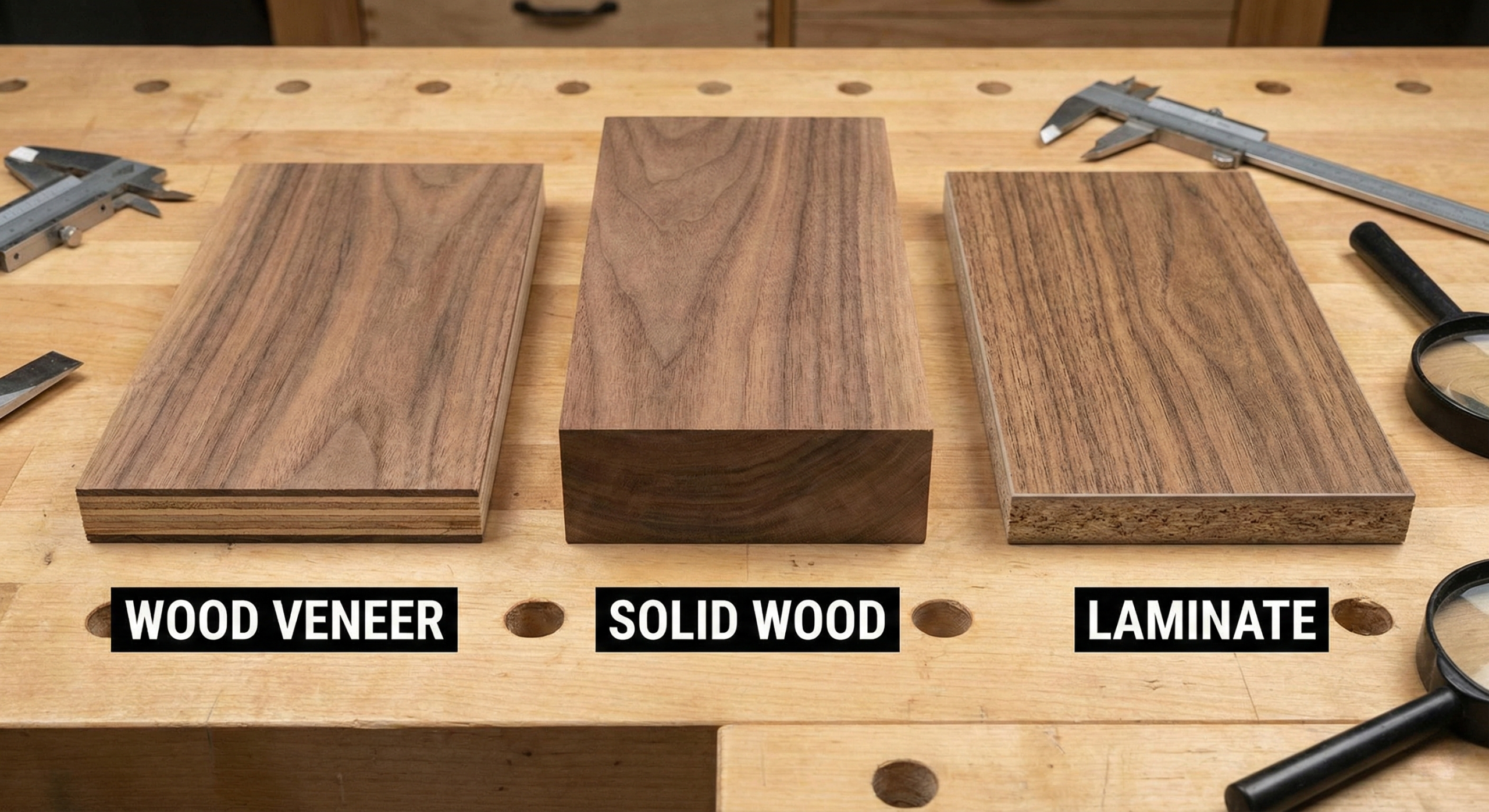
|
Feature
|
Wood Veneer Wall Panels
|
Solid Wood Paneling
|
High-Pressure Laminate
|
| Visual Authenticity |
High (100% Natural Surface) |
High (Natural) |
Low (Printed pixels)
|
|
Structural Stability
|
High (Engineered Core) |
Low (Warps easily) |
High (Rigid)
|
|
Resource Efficiency
|
High (Maximized Yield) |
Low (High Waste) |
Low (Synthetic/Plastic)
|
|
Cost Profile
|
Moderate to High |
Very High |
Low to Moderate
|
Installation & Maintenance: A Realistic View
To ensure the longevity of your veneer wall panels, transparency regarding maintenance is vital.
- Installation: We recommend a mechanical Z-clip system for veneer wall cladding to allow for panel removal if maintenance is required behind the wall. For permanent fixtures, a direct glue-down method on ply-backing is standard.
- Sunlight Exposure: Natural wood reacts to sunlight. Over time, veneer wall panels for living room areas exposed to direct south-facing windows may experience ambering (mellowing of tone). Use UV-filtering window treatments to mitigate this.
- Cleaning: Avoid harsh chemicals. Clean your veneer wall panel design surfaces with a damp, lint-free cloth only.
Related Read : What is Wood Veneer? How does it enhance the Interior Look?
Conclusion
Choosing wood veneer wall panels is a decision that balances architectural beauty with engineering logic. From the sustainability of high-yield slicing to the acoustic benefits of perforated veneer wall panels for office spaces, this material offers a superior ROI for luxury interiors.
Ready to Elevate Your Vertical Surfaces?
Experience the rich texture and natural elegance of Duro Natura’s Signature Architectural Veneer Wall Panels first hand. Visit our Experience Centre in the heart of Kirti Nagar, Delhi, a true hub of architectural excellence where you can explore our exclusive range of veneer wall panelling solutions.
📍 Location: Kirti Nagar, Delhi
📞 Contact: +91 9717205757 | +91 9315580079
Frequently Asked Questions
1. Are veneer wall panels waterproof?
While veneer wall panels are moisture-resistant due to their sealed finish, they are not 100% waterproof. For high-humidity areas like bathrooms, specialized marine-grade substrates and sealants are required. We recommend avoiding direct water contact on standard veneer wall coverings.
2. Can I install veneer wall panels over existing tiles or drywall?
Yes, architectural veneer wall panels can often be installed over existing surfaces using a framework or direct adhesive, provided the base surface is level, dry, and structurally sound. This makes them excellent for renovation projects.
3. How do veneer wall panels compare to solid wood in terms of cost?
Veneer panels for walls are generally 30% to 50% more cost-effective than solid hardwood. This is because they use a thin layer of precious wood over a stable core, maximizing the yield of the log while lowering material costs.
4. Do veneer wall panels fade in sunlight?
All natural wood products interact with UV light. Natural wood veneer wall panels may undergo “ambering” or slight color shifts over years of exposure. We recommend using UV-resistant finishes or window films to prolong the original color of your veneer wall interior design.
5. What is the difference between wood veneer and plywood wood?
Wood veneer is a thin layer of natural wood applied on a surface for a premium look, while plywood is made by bonding multiple layers of wood sheets for strength and durability.
6. What are wood veneer wall panel design features?
Wood veneer wall panels offer a natural wood finish, elegant texture, durability, sound insulation support, and are available in various grains, colors, and modern design patterns.
7. How to paint Oak Acoustic Panels?
Clean the panels, lightly sand the surface, apply a primer suitable for wood, and then paint with a roller or spray using thin, even coats without blocking the acoustic grooves.
8. Is wood paneling a good choice for walls?
Yes, wood paneling is a great choice for walls as it adds warmth, improves aesthetics, offers durability, and can also enhance sound insulation depending on the panel type.
Manish Maheshwari
Position: Founder – Ventura International Pvt Ltd.
Education: IIT Roorkee (B.E. – Mechanical Engineering) and IIM Lucknow (Marketing & Finance)
Manish Maheshwari, the visionary Co-founder of Ventura International. With a background in Engineering from IIT Roorkee and an MBA from IIM Lucknow, his expertise spans across Finance, Economics, and Strategy. At the helm of Ventura’s vision, Manish leads the charge in planning and executing strategies for growth and innovation. His unwavering passion ensures that Ventura sets the bar high, always striving for unparalleled excellence.