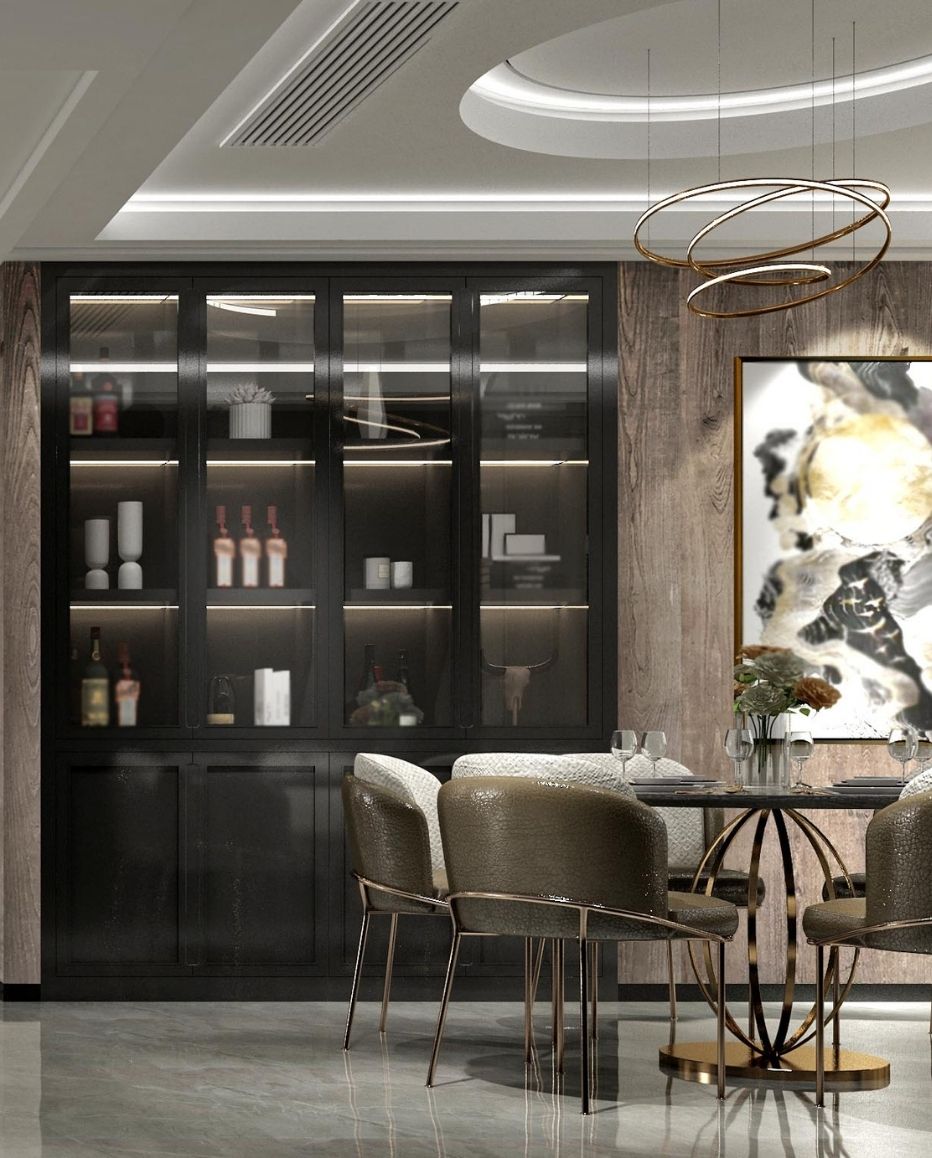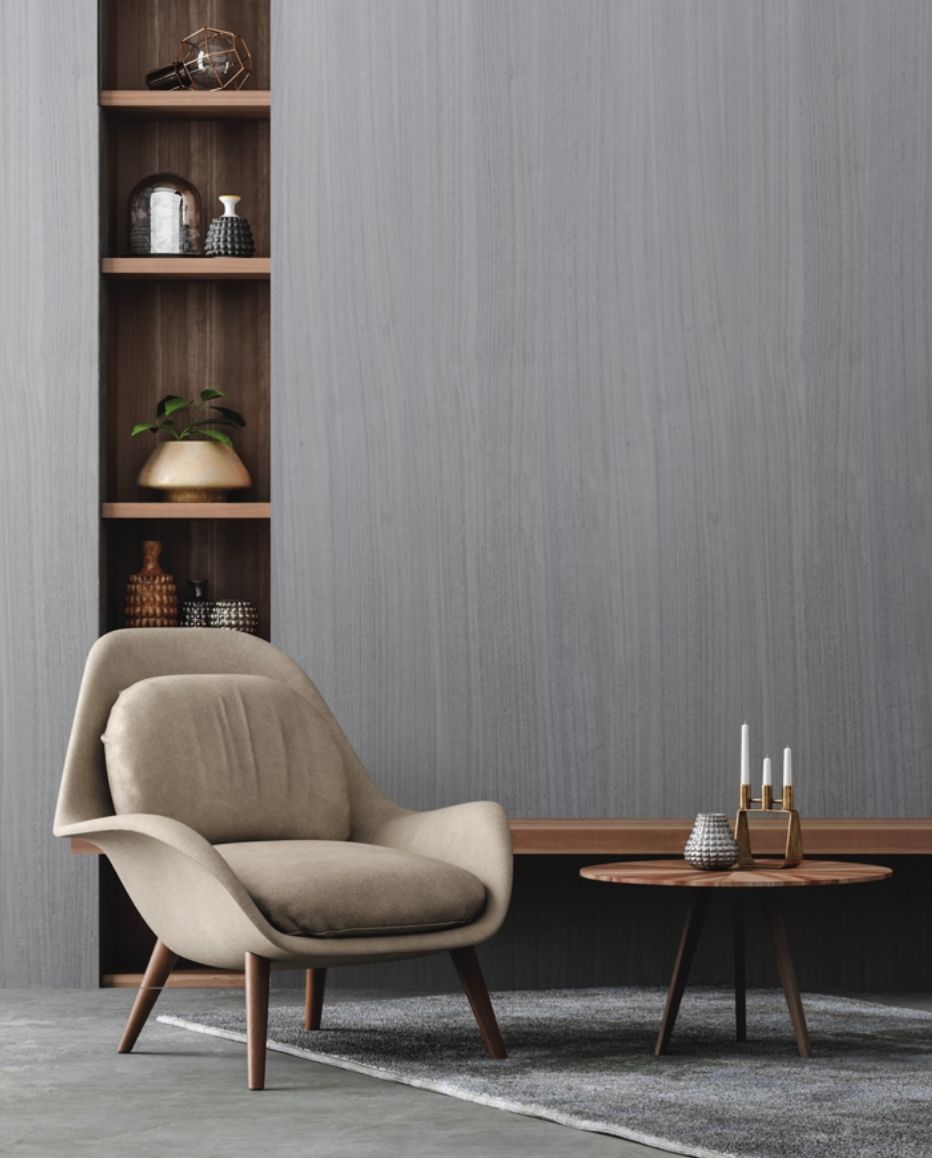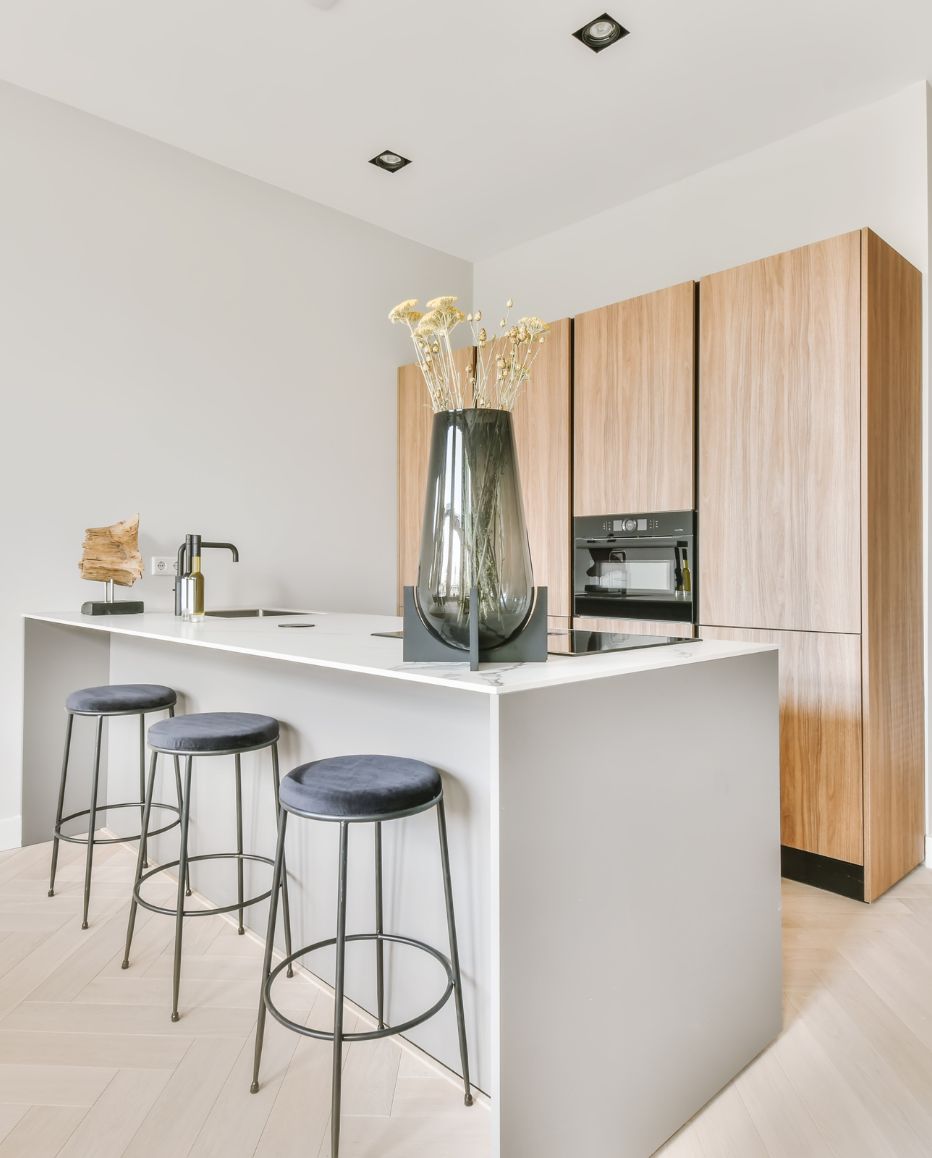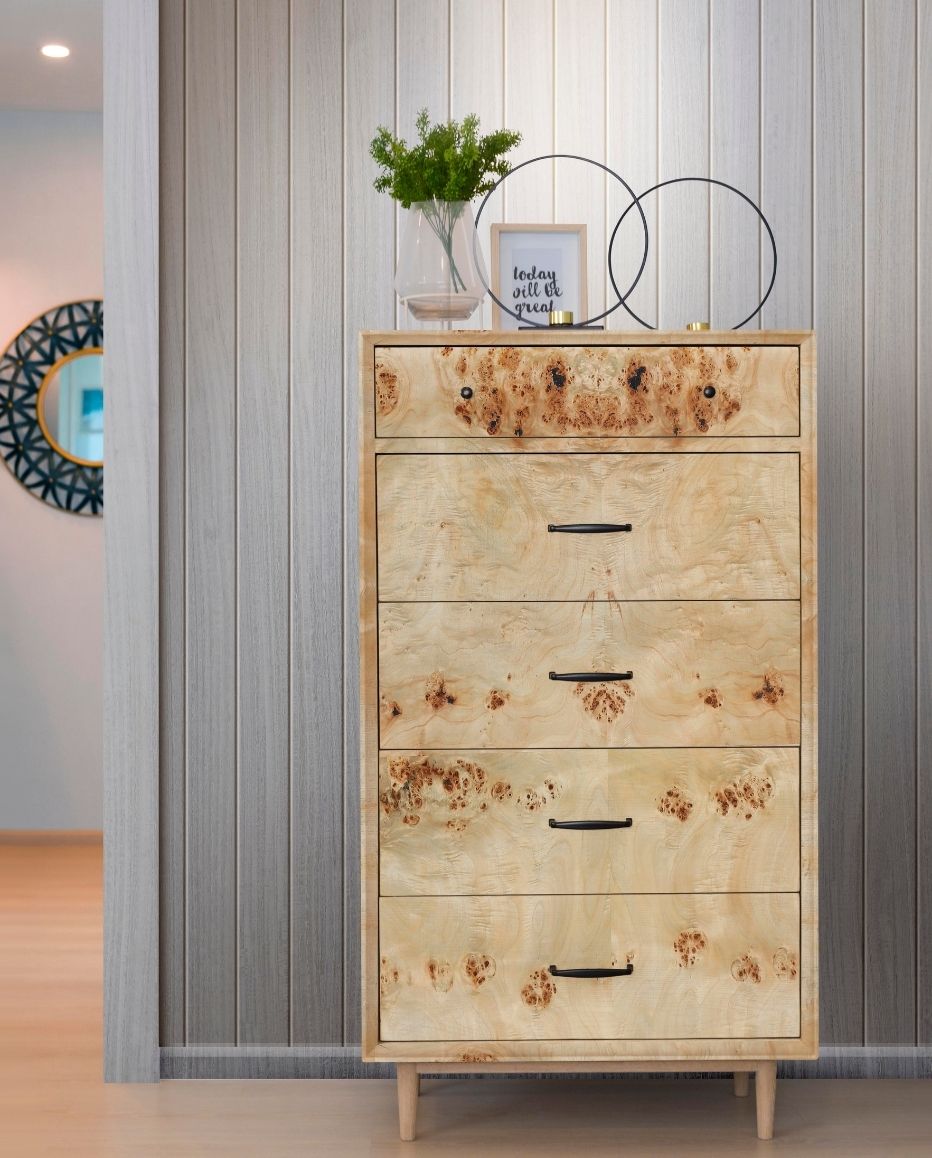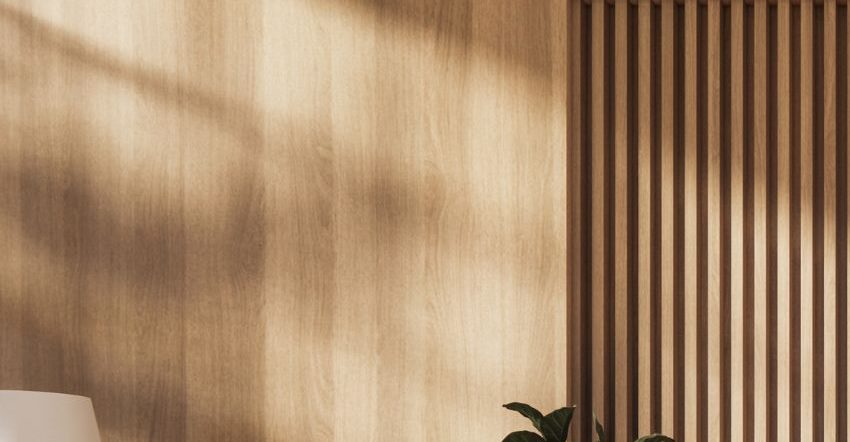
Natural wood adds warmth and character to any interior, but solid wood isn’t always practical for every surface. Decorative Veneer Duro Nature’s signature offers an alternative, combining the beauty of real wood with the versatility of engineered panels. Unlike printed laminates, wood veneer sheets retain natural grain patterns, giving furniture and walls a distinctive appearance.
From rich walnut finishes to understated oak paneling, decorative veneers offer numerous possibilities for modern homes and offices. Whether you’re updating a wardrobe or designing a statement wall, the right veneer can help create a cohesive and inviting space. Here are ten ideas worth exploring.
What Is Decorative Veneer?
Decorative Veneer is a thin layer of natural wood bonded to a base material such as on 4 mm plywood or MDF. Manufacturers produce veneer sheets by slicing or rotary-cutting logs, creating different grain patterns depending on the cutting technique. The use of genuine timber allows wood veneer sheets to retain the natural color variations and textures of wood. These sheets are commonly used for furniture, cabinetry, and wall paneling, offering the appearance of solid timber without requiring the entire structure to be made from wood.
Decorative Veneer vs Solid Wood: What’s the Difference?
When comparing veneer vs solid wood, the main differences lie in their construction, cost, durability, and maintenance requirements.
| Factor |
Decorative Veneer |
Solid Wood |
| Construction |
Thin natural wood layer bonded to an engineered base. |
Made entirely from natural timber. |
| Appearance |
Retains authentic wood grain and texture. |
Features natural grain throughout. |
| Cost |
Generally more affordable for larger surfaces. |
Typically more expensive. |
| Stability |
Offers better dimensional stability with a suitable base. |
More prone to expansion and contraction due to humidity. |
| Maintenance |
Requires careful cleaning and surface protection. |
Can generally be sanded and refinished multiple times. |
10 Stunning Decorative Veneer Design Ideas for Modern Interiors
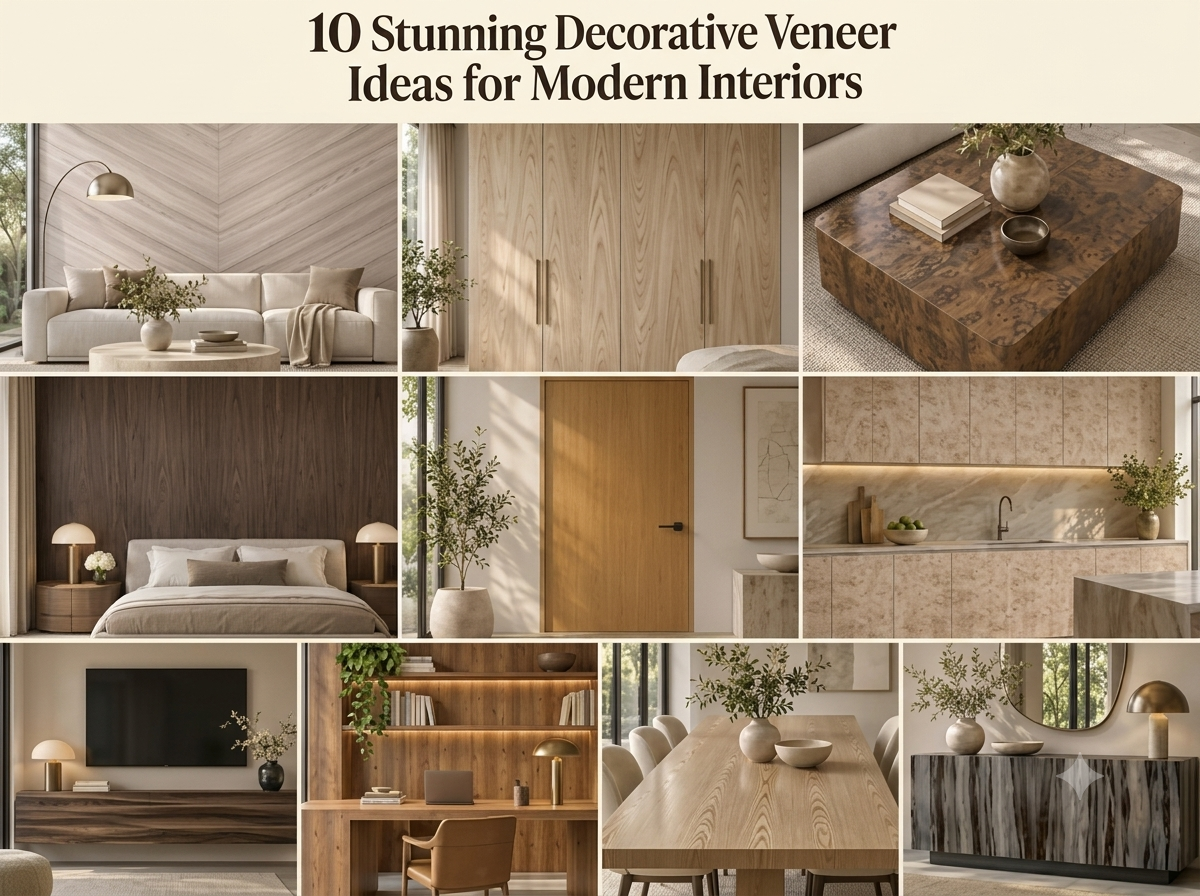
Decorative veneers can add warmth, texture, and character to modern interiors while keeping the overall look refined. Here are 10 decorative veneer design ideas that can work across different interior spaces.
1. Natural Wood Grain Veneer Panels
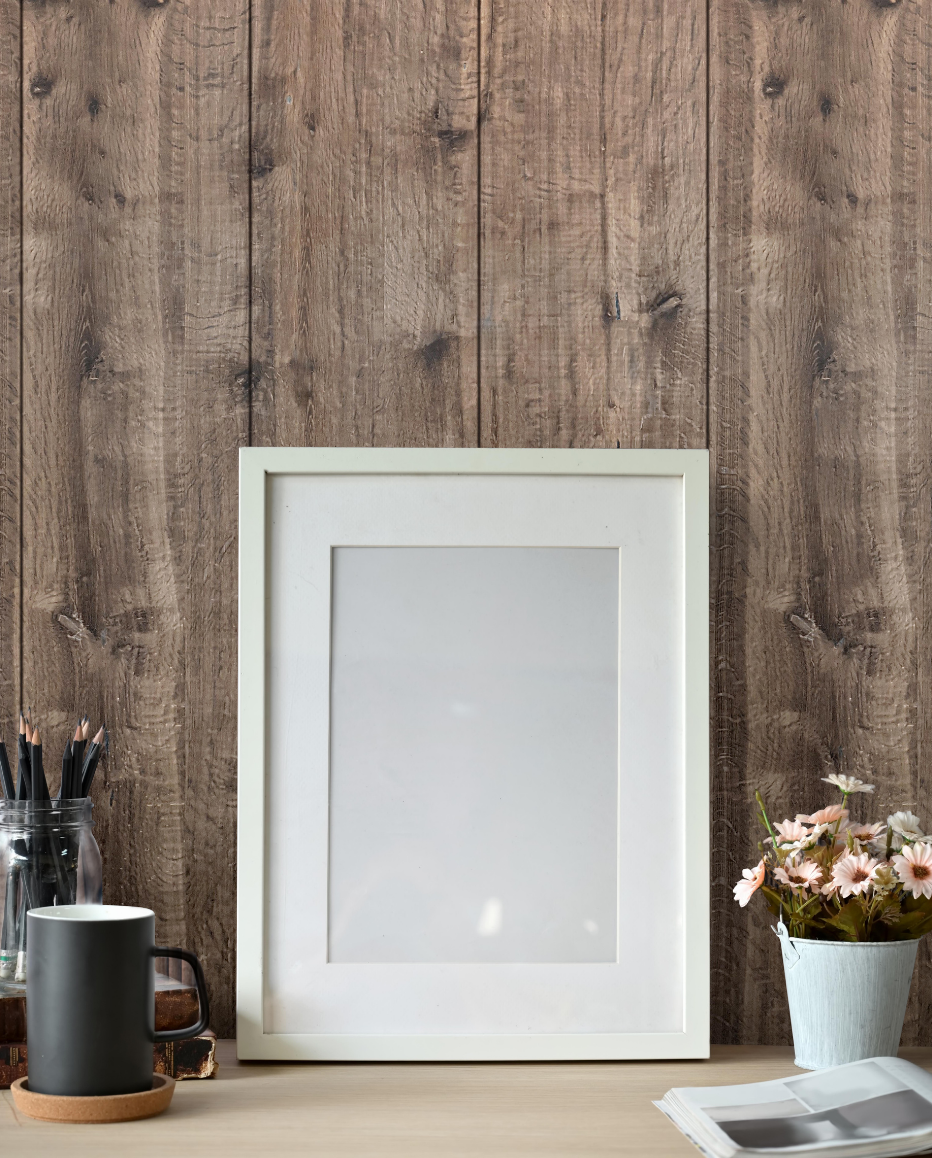
Natural grain patterns bring an organic character to contemporary interiors. Oak and ash veneers work beautifully on living room cabinets, shelving, and wall panels, creating visual warmth while complementing neutral color schemes.
2. Dyed Veneer for Modern Interiors
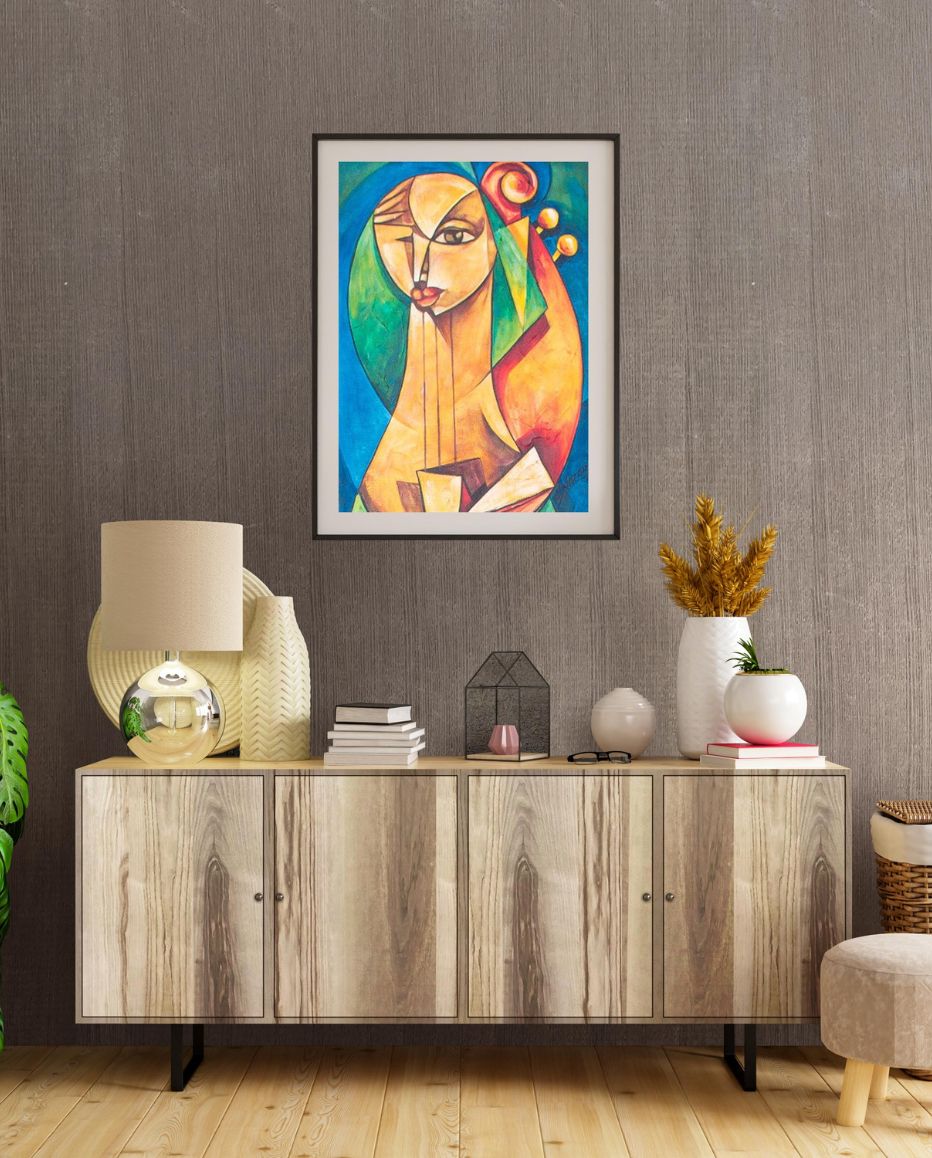
Dyed veneer brings the natural grain of real wood into a wider palette of colours, from soft greys and warm neutrals to deep charcoal. Use it on wall panels, wardrobe shutters, doors or bespoke furniture to carry a consistent tone throughout a room. The visible grain adds warmth and depth, especially alongside stone, glass and metal.
3. Dark Walnut Veneer for Statement Furniture
Dark walnut adds richness to dining tables, entertainment units, and executive desks. Its deep brown tones contrast elegantly with lighter furnishings, while Ventura’s Nature’s Signatures collection offers American Walnut veneer for distinctive furniture applications.
4. Light Oak Veneer for Minimalist Interiors
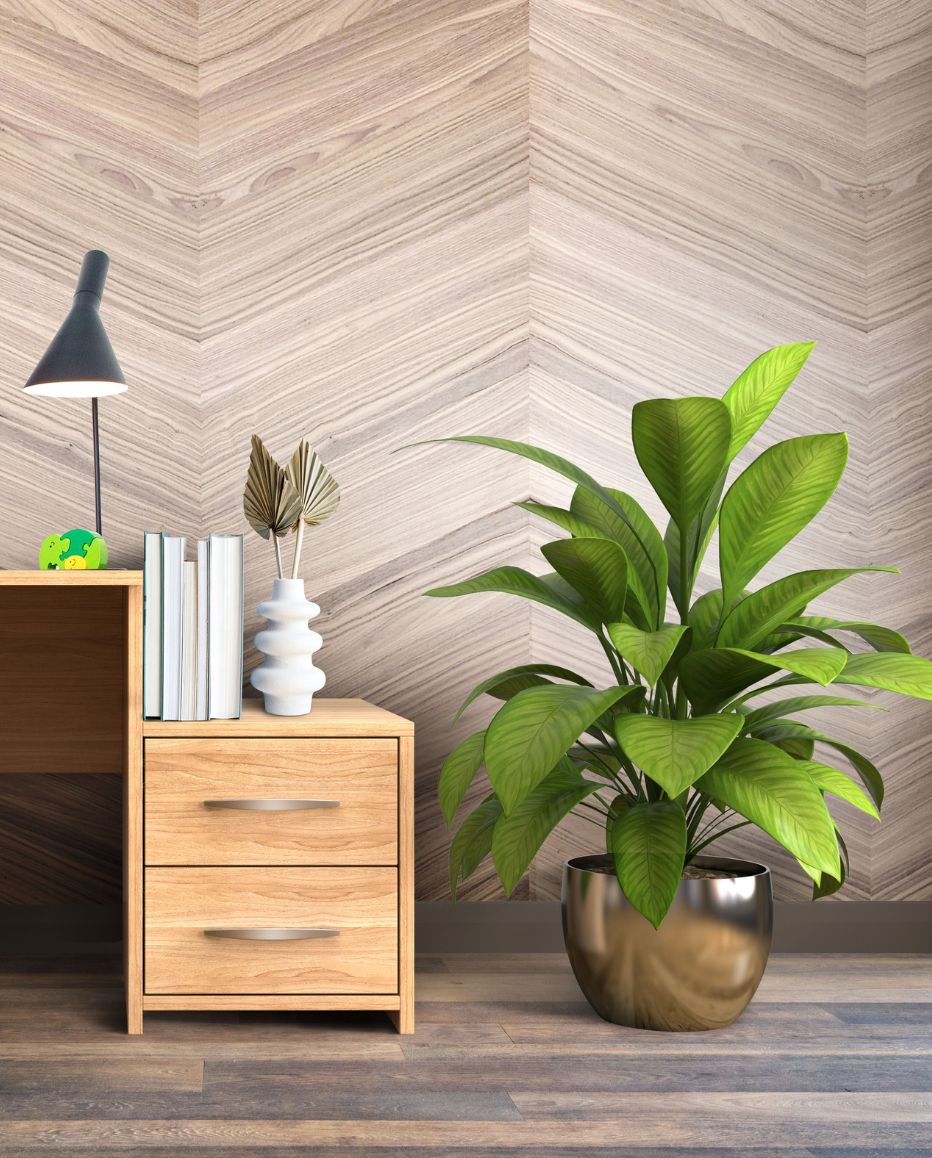
Light oak creates a calm, airy appearance that complements minimalist interiors. Its subtle grain and pale tones make this veneer sheet design suitable for bedroom wardrobes, cabinets, and Scandinavian-inspired living spaces.
5. Decorative Veneer Wall Panels as Accent Walls
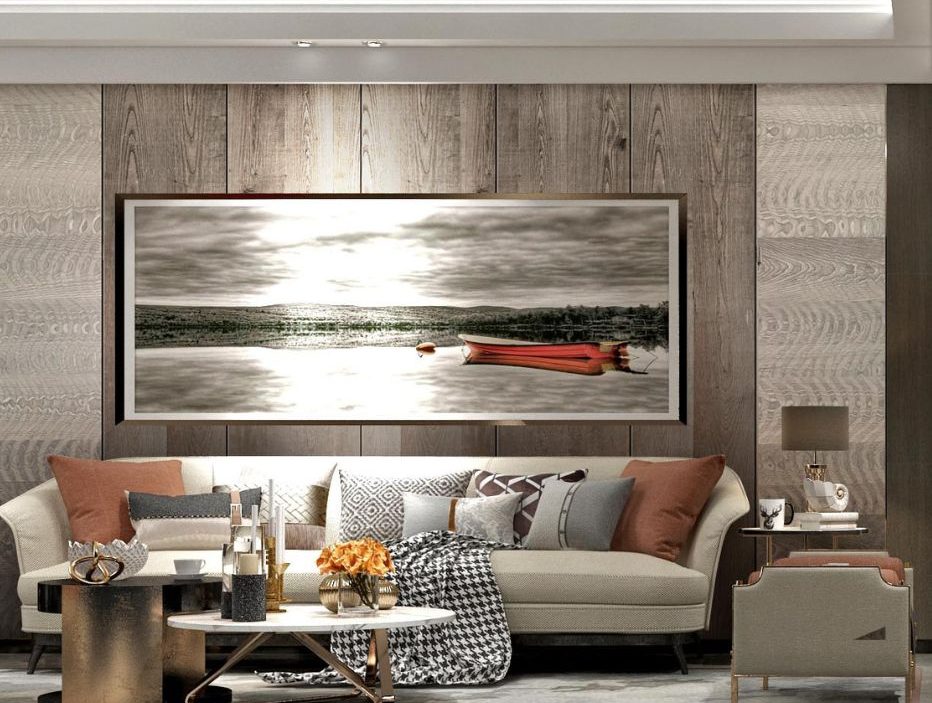
Veneer wall panels can transform an ordinary wall into a striking design feature. Installing continuous wood-grain panels behind a bed or television adds texture and warmth without requiring elaborate decorative elements.
6. Textured and Matte Veneer Finishes
Matte finishes highlight wood’s natural character without excessive shine. Textured and distressed veneers work well on bedroom panels, office furniture, and cabinetry, particularly when paired with stone or fabric finishes.
7. Bookmatched Veneer Patterns for a Symmetrical Look
Bookmatching involves arranging adjacent veneer slices to create mirrored grain patterns. The resulting symmetry makes an attractive feature on conference tables, large cabinet fronts, and statement walls, especially when the wood has distinctive figuring.
8. High-Gloss Veneer for Luxury Furniture Pieces
High-gloss finishes emphasize natural wood grain while reflecting surrounding light. Applied to consoles, dining tables, or dressers, polished veneers create a refined appearance that pairs particularly well with understated hardware.
9. Two-Tone Veneer Combinations for Contemporary Spaces
Combining contrasting wood finishes introduces visual interest without overwhelming a room. For example, pairing light oak with dark walnut creates definition across wardrobes, entertainment units, and built-in office cabinetry.
10. Eco-Friendly Hybrid Veneer Designs
Hybrid veneers use processed wood to create consistent grain patterns and colors. They work well for coordinated furniture and large installations, though their environmental benefits depend on the materials, sourcing, and manufacturing process.
Veneer for Furniture: Where It Works Best
Choosing veneer for furniture allows natural wood finishes to extend across wardrobes, dining tables, TV units, cabinets, and office desks. Light wood grains complement understated residential interiors, while darker veneers make a stronger visual statement. Luxury furniture veneer also suits premium residential and hospitality projects where distinctive patterns and coordinated finishes matter. Ventura’s Nature’s Signatures collection includes natural, dyed, and fumed veneers, offering different appearances for furniture applications. Selecting a suitable substrate and protective finish is essential for long-term performance.
Decorative Veneer Wall Panels for Interior Walls
Decorative Veneer adds natural texture and depth to walls, making it suitable for both residential and commercial interiors. Wood panels can frame bedroom headboards, highlight television walls, or create welcoming finishes in office reception areas and hotel lobbies. Veneered ceiling features can also complement wall treatments when materials and installation are specified correctly. Natural veneer wall panels introduce distinctive grain patterns that add visual character to interiors.
How to Choose the Right Veneer Sheets for Your Project
Start by considering the wood species, grain pattern, and color. Dyed, Oak and ash complement lighter interiors, while walnut offers deeper tones for statement furniture. Next, assess the room’s function and moisture exposure. Kitchen cabinetry, wardrobes, and wall panels have different finishing and maintenance requirements. When comparing natural veneer with decorative laminate, consider appearance, durability, upkeep, and budget. Finally, examine samples under the room’s lighting to ensure your chosen veneer sheet design complements the existing furniture and finishes.
Conclusion
Decorative Veneer brings the warmth, texture, and natural beauty of wood into modern interiors. From light oak finishes that complement minimalist spaces to rich walnut tones that make furniture stand out, each design offers a distinct way to enhance your home. Whether you’re planning a feature wall, upgrading your wardrobes, or selecting finishes for new furniture, consider how the wood grain, color, and finish will complement the overall design while meeting your practical needs.
Explore Ventura’s Nature’s Signatures collection to discover premium wood veneer sheets and find the right finish for your next interior project.
Frequently Asked Questions
1. What is decorative veneer used for?
Decorative veneer is used for wardrobes, cabinets, furniture, wall paneling, and other interior surfaces. It provides the appearance of natural wood on an engineered base.
2. Is decorative veneer better than solid wood?
Veneer is generally more economical for large surfaces and can offer improved dimensional stability. Solid wood may be preferable for furniture requiring extensive refinishing or specific structural applications.
3. How long does a decorative veneer finish last?
Its lifespan depends on the substrate, protective finish, installation quality, and environmental conditions. With proper maintenance, veneered surfaces can retain their appearance for many years.
4. Can veneer sheets be used for kitchen shutters and wardrobes?
Yes, veneer sheets can be applied to kitchen shutters and wardrobes using suitable base materials. Proper sealing and protective finishes are particularly important for areas exposed to moisture.
5. What is the difference between veneer and veneer laminate?
Natural veneer consists of a genuine wood layer that retains authentic grain variations. Decorative laminate typically uses printed decorative layers bonded with resins to reproduce wood or other surface designs.
6. Are decorative veneer wall panels suitable for humid areas?
Veneer panels can be used in some humid environments when appropriate substrates, finishes, and installation methods are selected. However, persistent moisture and direct water exposure can damage the wood surface or supporting material.
7. Which veneer finish is best for luxury furniture?
Walnut and figured wood veneers are attractive options for furniture with distinctive natural patterns. Matte finishes emphasize subtle texture, while high-gloss finishes create a more reflective appearance.
8. How do I maintain and clean veneer surfaces?
Remove dust regularly using a soft, dry cloth and clean occasional marks with a lightly damp cloth when appropriate for the finish. Avoid abrasive cleaners, excessive water, and prolonged exposure to direct sunlight.
Manish Maheshwari
Position: Founder – Ventura International Pvt Ltd.
Education: IIT Roorkee (B.E. – Mechanical Engineering) and IIM Lucknow (Marketing & Finance)
Manish Maheshwari, the visionary Co-founder of Ventura International. With a background in Engineering from IIT Roorkee and an MBA from IIM Lucknow, his expertise spans across Finance, Economics, and Strategy. At the helm of Ventura’s vision, Manish leads the charge in planning and executing strategies for growth and innovation. His unwavering passion ensures that Ventura sets the bar high, always striving for unparalleled excellence.