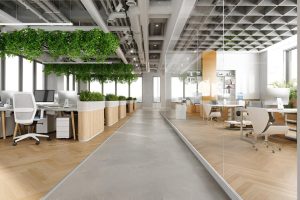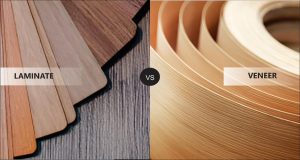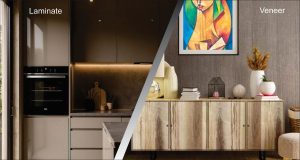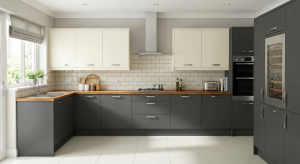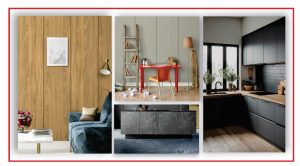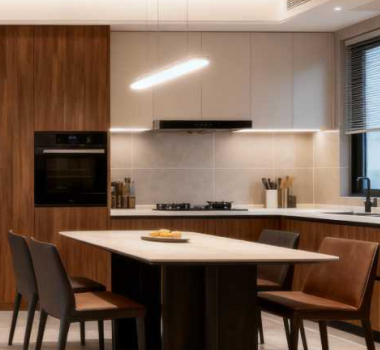
In the evolving world of Indian modern interior design, a profound shift has occurred where grey has officially claimed the throne, proving that Grey is The Black. Once considered cold or industrial, grey has transitioned into the ultimate neutral, offering a sophisticated canvas for luxury and minimalism alike. While black often dominates a space by absorbing light, grey manages it-providing a versatility that accommodates the high-intensity natural light common in the Indian subcontinent. However, migrating toward this palette involves more than just color selection; it requires a strategic understanding of how different shades interact with tropical heat and urban pollutants.
According to the latest Indian building energy codes, the success of a grey-themed design depends on balancing aesthetic depth with material performance to ensure the structure remains as functional as it is fashionable.
The 60-30-10 Rule: Engineering a Balanced Palette
To achieve a professional look, designers often follow the 60-30-10 rule. This ensures a balanced distribution of color and texture throughout a space, preventing the monotone fatigue often associated with poorly executed grey interiors.
- 60% Primary Base: This is your dominant color, typically applied to walls and large surfaces. In contemporary Indian architecture, mid-tone greys provide a resilient backdrop that effectively conceals micro-cracks and minor surface wear better than stark white finishes. For high-traffic exterior areas, specialized cladding like Ventura Legnodeck Plus offers a structural alternative to traditional paint.
- 30% Secondary Color: This provides depth. Use contrasting upholstery or high-performance flooring like Ventura Legnodeck Alpha to create visual interest without overwhelming the primary theme.
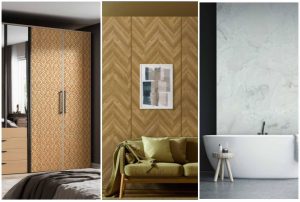
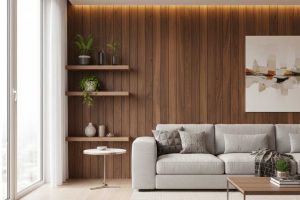
- 10% Accent Color: The pop of personality. Think vibrant cushions, metallic fixtures, or a Ventura Amber Wood Flutes Laminate feature strip to add warmth and organic contrast to the cooler grey tones.
Why Grey Home Exteriors Dominate the Indian Landscape
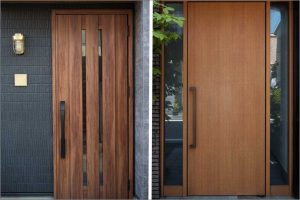
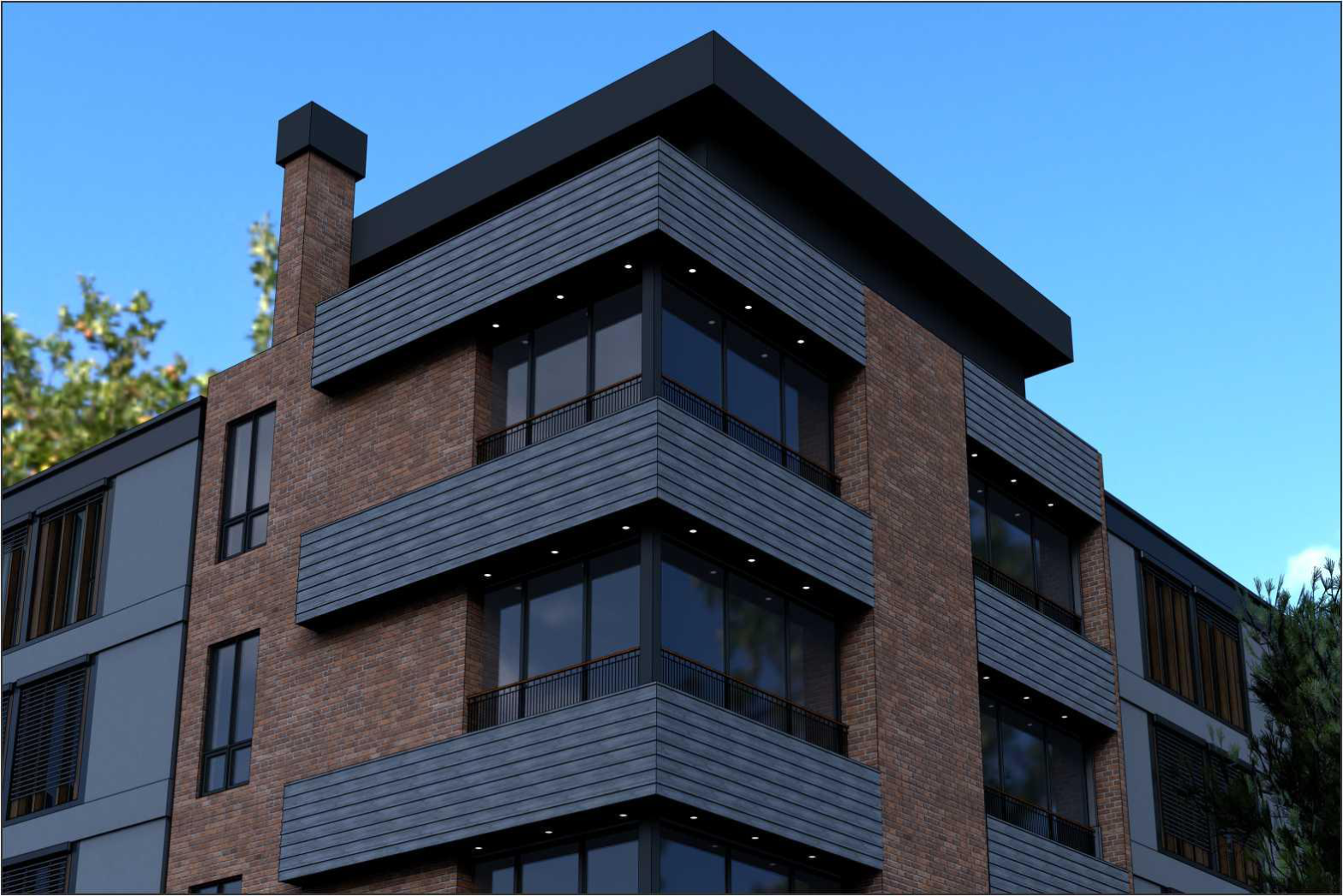
A Grey Home Exterior is not just an aesthetic choice; it is a strategic one for the Indian subcontinent. Unlike stark white which yellows due to pollution or dark black which absorbs excessive heat, grey offers a functional middle ground with significant maintenance advantages.
Dust Masking & Maintenance
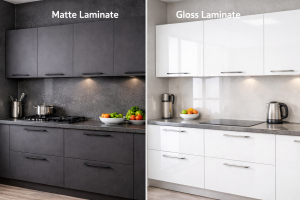
Indian urban environments face high levels of Particulate Matter (PM10). Because atmospheric dust typically has a light-brown or greyish hue, it blends more naturally with mid-tone grey surfaces. Field observations indicate that matte grey finishes significantly reduce the visual impact of dust accumulation compared to high-gloss or stark white counterparts, which often require more frequent cleaning to maintain their appearance.
UV Resistance & Thermal Performance
Modern grey finishes are engineered with a calculated Light Reflectance Value (LRV). While darker shades have a lower LRV and absorb more heat, choosing a cool grey with an LRV between 25-40% can balance aesthetic depth with thermal efficiency. Under the Eco Niwas Samhita (ENS) 2026 guidelines, thermal performance is optimized when such finishes are paired with ventilated rainscreen systems like Techklad. These systems facilitate passive cooling through an integrated air gap, effectively reducing the Residential Envelope Transmittance Value (RETV).
The Greige Pivot: Warm Grey Colour Combinations for Living Rooms
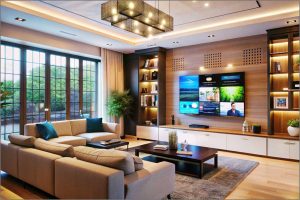
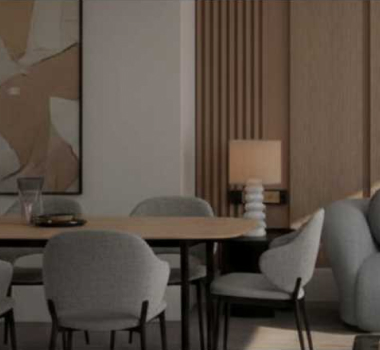
While cool charcoal was popular in the past, 2026 is the year of Greige, a sophisticated blend of grey and beige. This Warm Grey approach brings coziness to Indian modern interior design, making large rooms feel more intimate.
Optimal Grey Colour Combinations for Living Rooms:
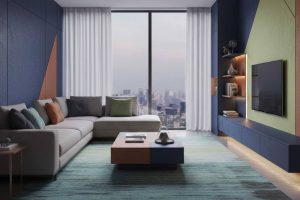
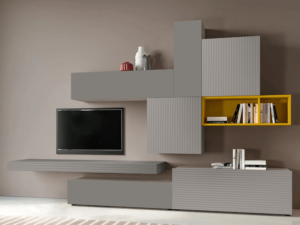
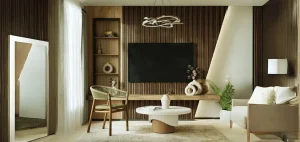
Pairing grey with mustard yellow, teal, or earthy terracotta creates a vibrant yet grounded environment. However, it is vital to balance these cool tones with tactile materials. For instance, incorporating a Ventura Solid Flutes Laminate in a soft grey tone adds necessary verticality and shadow-play, preventing the room from feeling flat or clinical.
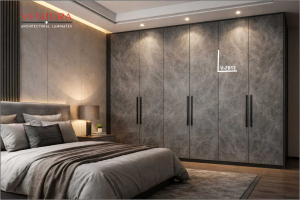
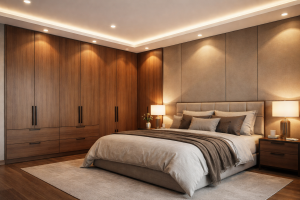
Grey Feature Walls for Master Bedrooms:
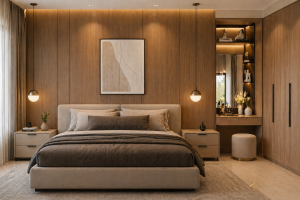
For a sanctuary-like feel, use a monochromatic layering technique. Combine different textures of gre-from smooth matte paints to textured panels like Ventura Legnodeck Plus-to create depth without visual clutter.
Technical Analysis: Grey Surface Materials for 2026
|
Material
|
Tone
|
Best Use Case
|
Key Property
|
|
Ventura Legnodeck Alpha
|
Smoked Ash
|
Outdoor Decks / Balconies
|
High Resistance to Thermal Expansion
|
|
Ventura Legnoklad DUO
|
Grey
|
Exterior Facades / Elevations
|
Low Water Absorption (<0.5%) & UV Stability
|
|
Ventura Solid Flutes ( IKON COLLEZIONE
/ FUSION / FABRIKA ) Collections
|
Mist Grey
|
Living Room Accent Walls
|
Acoustic Dampening Potential
|
Sculptural Finesse & Material Selection
The success of a grey-themed home lies in Tactile Contrast. Trends are moving toward Living Greys-surfaces that exhibit movement and organic grain rather than static, flat color. While grey is highly versatile, designers must be cautious of metamerism-a phenomenon where identical grey tones shift in appearance under different light sources, such as 3000K warm LED vs. natural 6500K sunlight. Using materials like Ventura Amber Wood Flutes Laminate allows you to break the monotony of a flat grey wall with organic-inspired textures, ensuring the space feels inhabited rather than institutional.
Conclusion
The transition toward grey in Indian architecture marks a move toward functional luxury. By embracing the mantra that Grey is The Black, homeowners can achieve a sophisticated aesthetic that stands up to the rigors of the local climate. Whether you are selecting a Grey Home Exterior for its dust-masking properties or a Grey Colour Combination for Living Rooms to create a serene sanctuary, the key lies in technical precision. By prioritizing materials with the correct Light Reflectance Value and incorporating tactile textures, you ensure your space remains timeless, resilient, and undeniably modern.
Frequently Asked Questions (FAQs)
1. Does a grey exterior make a house feel hot?
Not necessarily, but it requires technical planning. Darker greys absorb more solar radiation. To mitigate this, architects recommend using materials with high thermal emissivity or installing ventilated facade systems like Techklad, which reduce heat gain by preventing direct thermal conduction to the inner wall.
2. Which grey shade is best for small Indian apartments?
Light greys or Greige are ideal. They reflect natural light effectively, making small spaces feel airy. To avoid a clinical feel, pair them with textured surfaces like Ventura Solid Flutes Laminate on a single wall to add a sense of luxury without compromising on spatial perception.
3. How do I maintain a Grey Home Exterior in dusty areas?
Opt for non-porous cladding like Ventura Legnodeck Plus. These composite materials are engineered with high density and low porosity, which limits the adhesion of airborne pollutants compared to traditional porous cement-based paints.
4. How does lighting affect grey interior walls?
Grey is highly susceptible to metamerism, meaning it can look blue under cool daylight and yellow under warm indoor LEDs. It is essential to test your selected grey shade under both natural and artificial light conditions before final application to ensure it maintains its intended hue.
5. Is grey a good choice for kitchen surfaces in India?
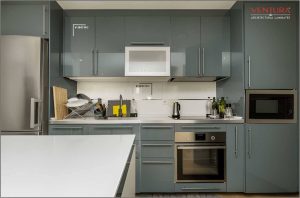
Yes, particularly in matte or textured finishes. Grey surfaces are excellent at concealing water spots and minor stains that are often visible on white or black countertops. However, ensure the material is non-porous to prevent turmeric or oil stains from penetrating the surface.
Manish Maheshwari
Position: Founder – Ventura International Pvt Ltd.
Education: IIT Roorkee (B.E. – Mechanical Engineering) and IIM Lucknow (Marketing & Finance)
Manish Maheshwari, the visionary Co-founder of Ventura International. With a background in Engineering from IIT Roorkee and an MBA from IIM Lucknow, his expertise spans across Finance, Economics, and Strategy. At the helm of Ventura’s vision, Manish leads the charge in planning and executing strategies for growth and innovation. His unwavering passion ensures that Ventura sets the bar high, always striving for unparalleled excellence.