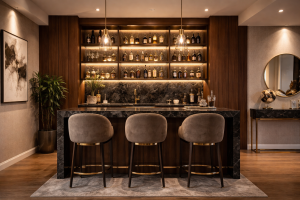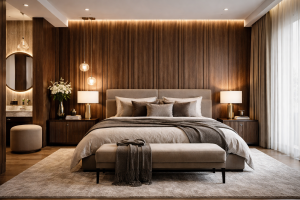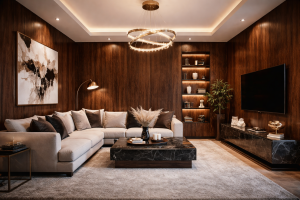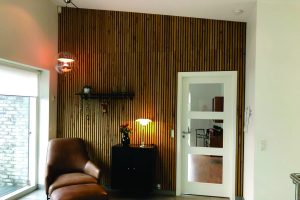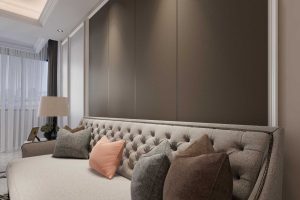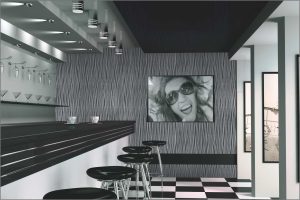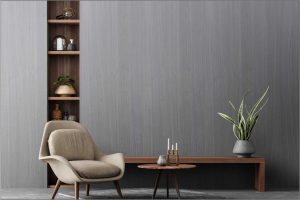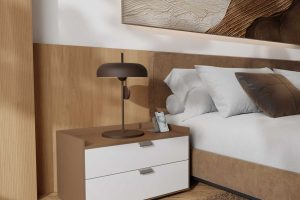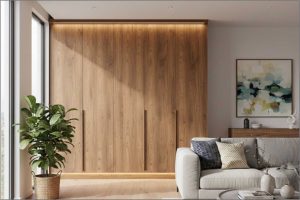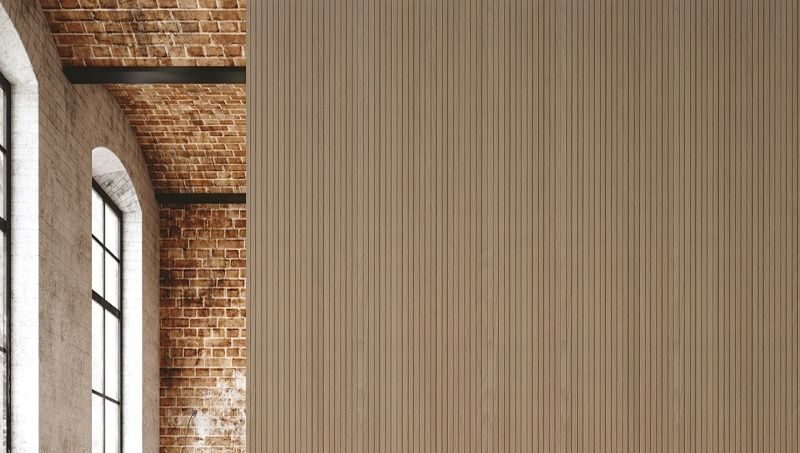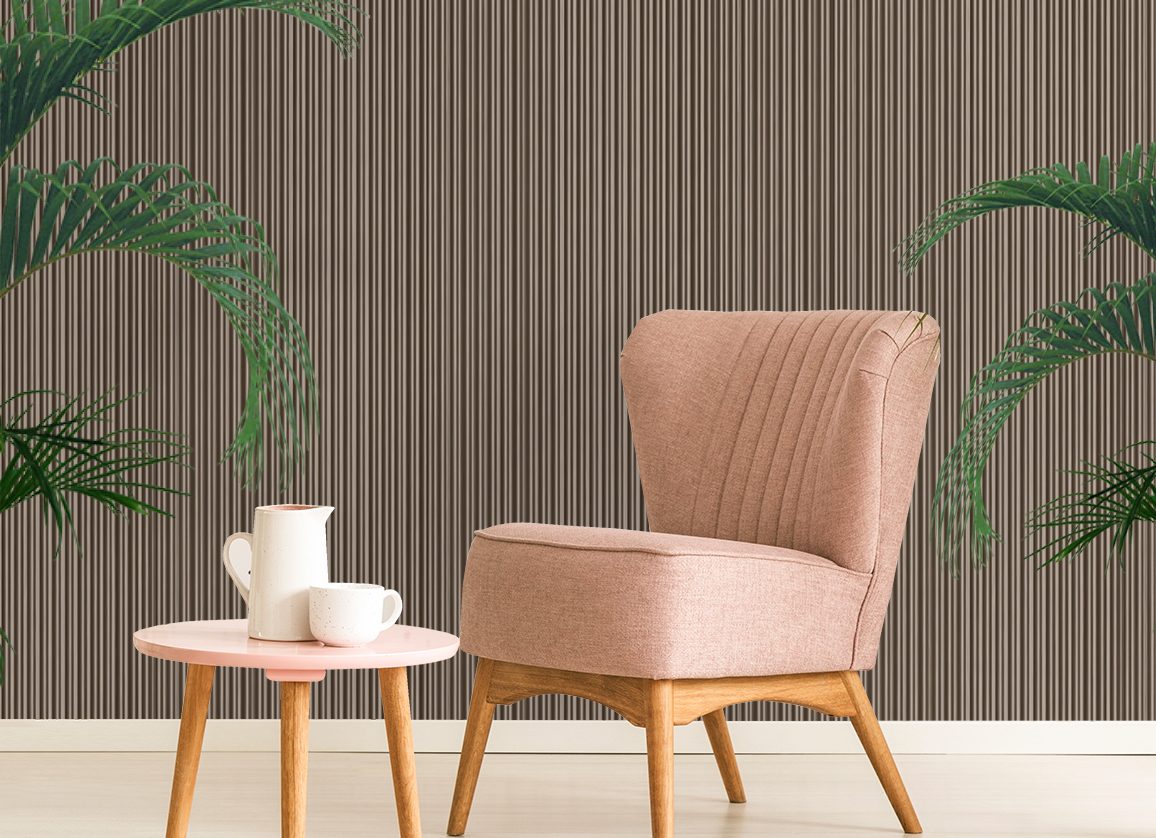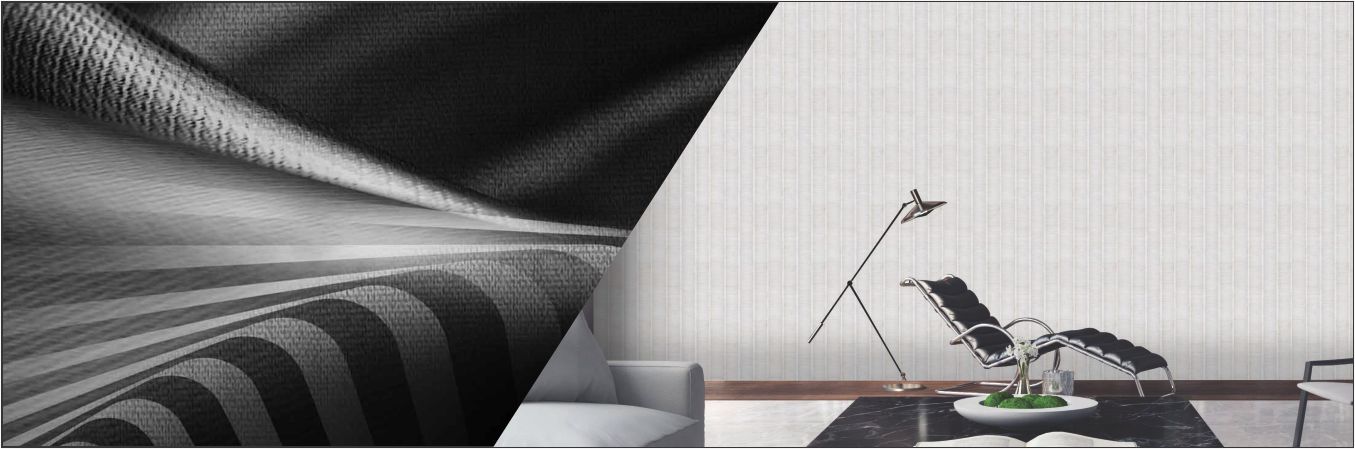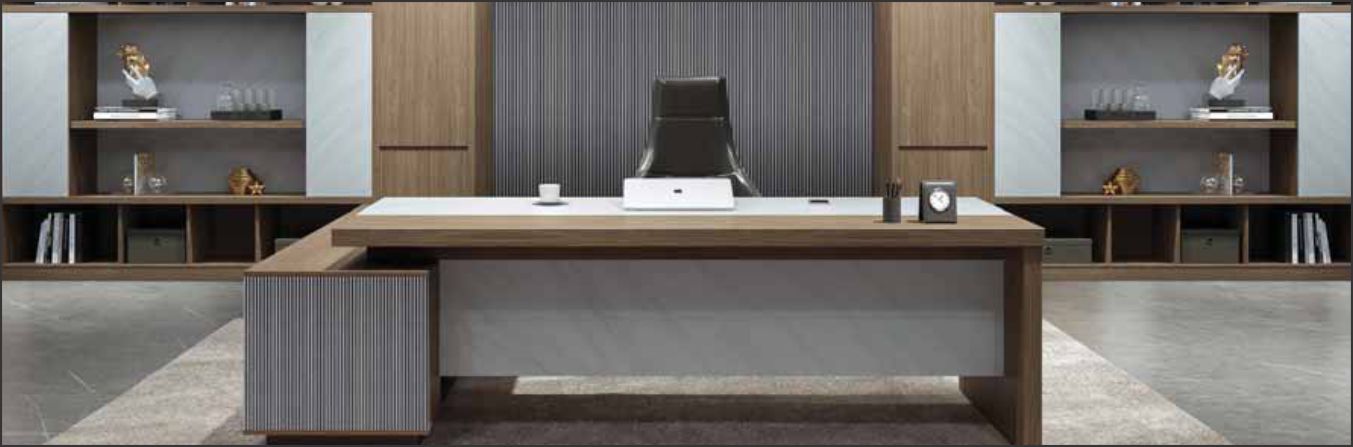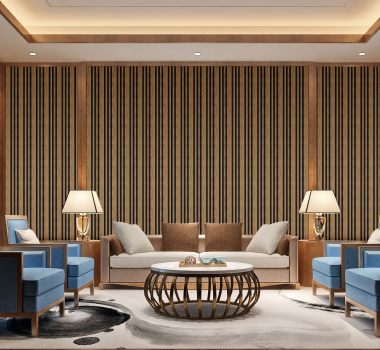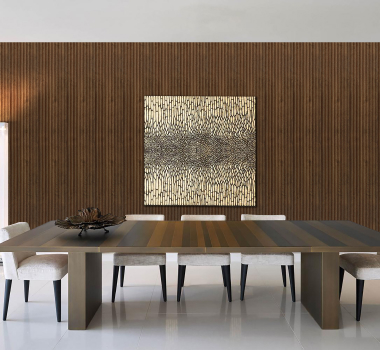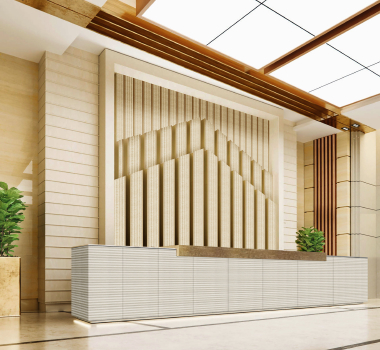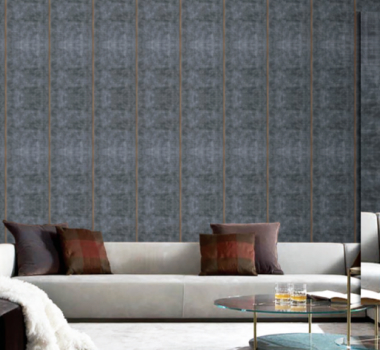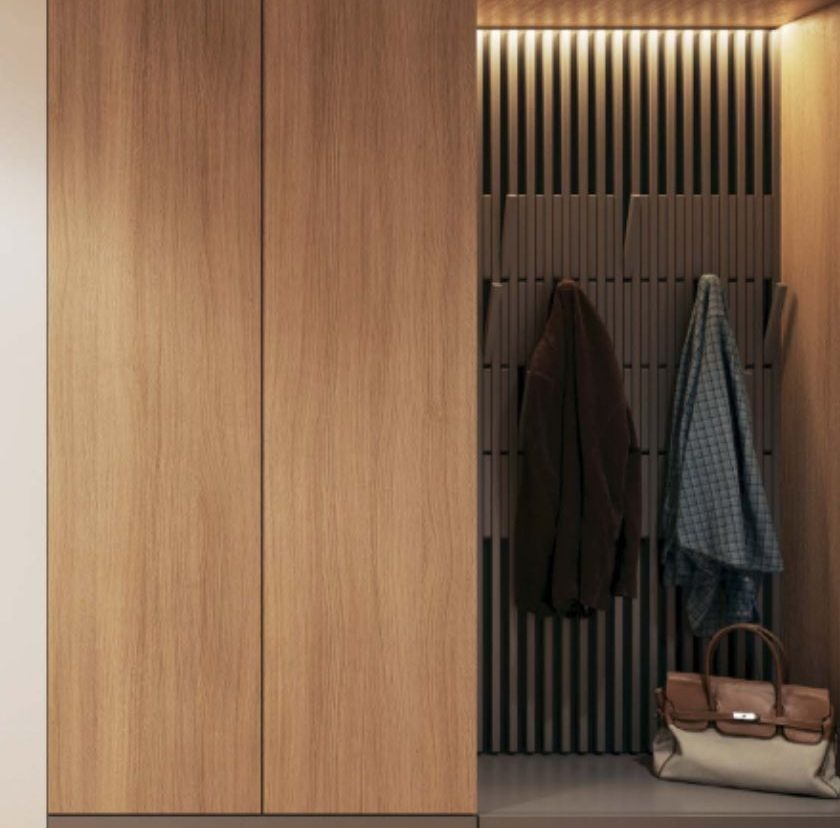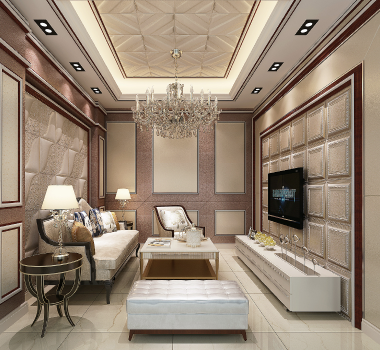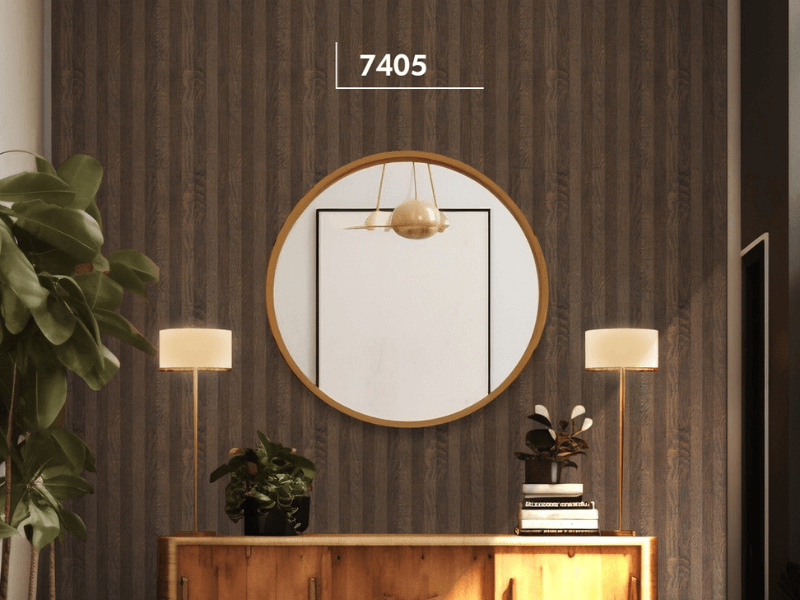
Renovating a home often involves a struggle between aesthetics and material durability. For modern Indian homes facing fluctuating humidity and termites, traditional wood fluting often fails. This is where WPC louvers (Wood-Plastic Composite) have emerged as the superior architectural alternative.
If you are looking for premium wall panels that mimic the warmth of wood but offer the resilience of polymer, WPC louvers interior solutions are the industry standard. From wpc louvers wall panel installation to detailed technical specifications, this guide covers the engineering realities of using louvers on wall surfaces.
What is the Louvers Panel? Understanding the Material
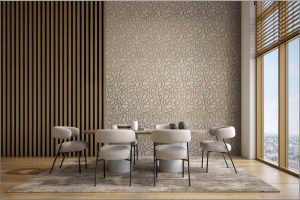
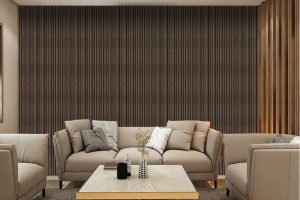
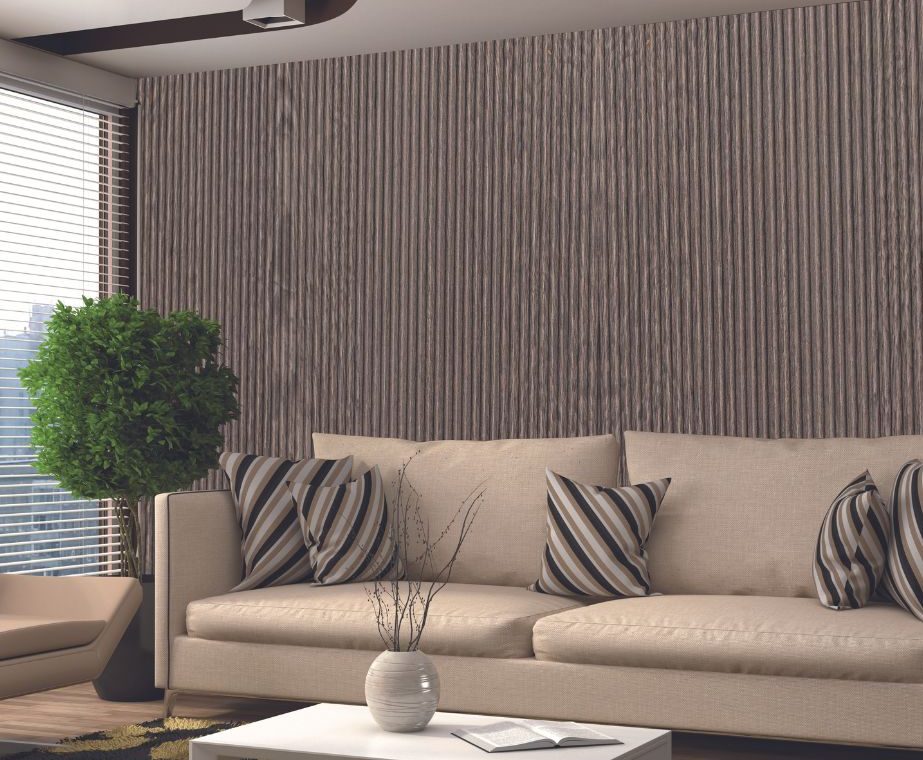
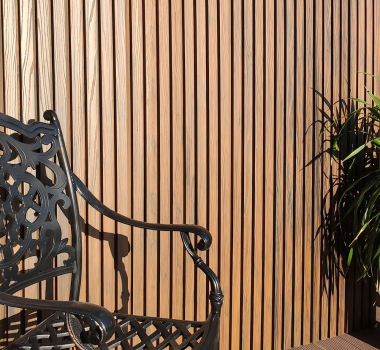
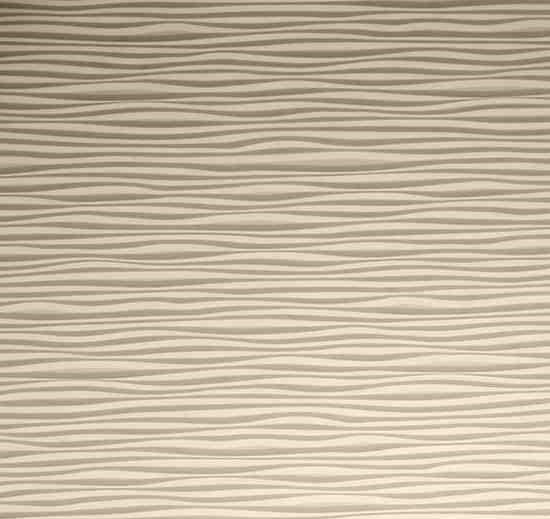
A louvered wall panel is a fluted or grooved cladding material used to create texture and depth on flat surfaces. WPC louvers are composed of a hybrid blend of wood fibers (thermoplastics) and bonding agents.
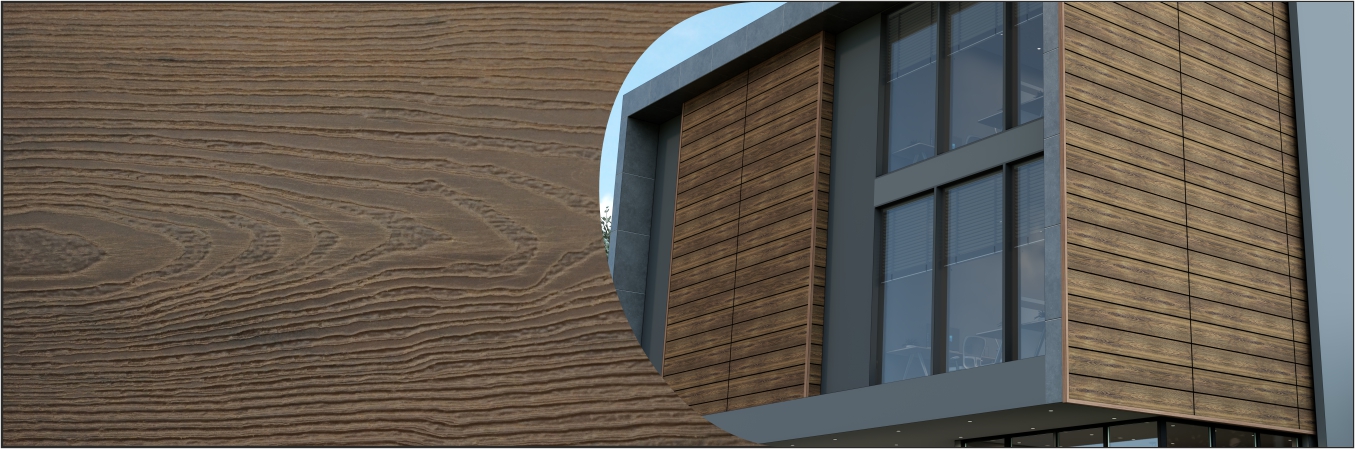
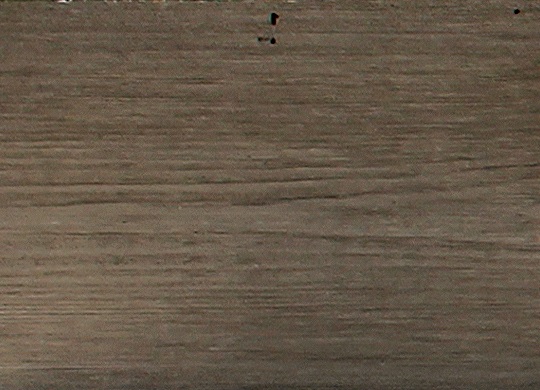
Unlike WPVC lowers or pure PVC, high-quality wpc louvers design profiles such as Ventura Legnoklad Alpha
offer higher density (approx. 800-900 kg/m³) and better screw-holding capacity. They serve as excellent louvers for wall cladding in high-traffic areas like living rooms, foyer walls, and even moisture-prone zones.
WPC vs. Traditional Wood vs. PVC: A Quick Comparison
To understand why architects prefer wpc louvers panel for wall applications, compare the materials directly:
|
Feature
|
WPC Louvers |
Natural Wood |
PVC Panels |
|
Water Resistance
|
100% Waterproof |
Absorbs moisture (Warps) |
Waterproof
|
|
Termite Proof
|
Yes (Inherently) |
Requires Chemical Treatment |
Yes
|
|
Fire Safety
|
Fire Retardant (Self-Extinguishing) |
Highly Flammable |
Melts/Toxic Smoke
|
|
Maintenance
|
Zero Polish Needed |
Regular Polishing Required |
Low Maintenance
|
|
Durability
|
High Impact Strength |
Moderate (Dents easily) |
Brittle (Cracks easily)
|
Unveiling the Benefits of WPC Louvers Wall Panels
Beyond aesthetics, wpc louvers solve specific civil engineering challenges:
- Termite & Moisture Proof: Unlike natural wood, wpc louvers are engineered to be completely resistant to borers and dampness, making them ideal for Indian monsoons and coastal humidity.
- Fire Retardant: Premium wpc wall louvers are often rated Class B1 fire retardant, meaning they do not fuel a fire a critical safety feature for commercial places and kitchens.
- Thermal Insulation: The hollow-core structure of many wpc louvers interior profiles provides a layer of thermal and acoustic insulation, dampening noise in living areas.
- Eco-Friendly: Being made of recycled wood fiber and thermoplastics, wpc fitting is a greener choice compared to cutting down exotic timber.
Technical Specifications
Before planning your wpc louvers wall design, knowing the standard sizes reduces wastage.
- Standard Length: 9.5 feet (approx. 2900mm) – Ideal for floor-to-ceiling cladding.
- Standard Width: 150mm to 170mm (approx. 6 inches).
- Thickness: 20mm to 28mm.
- Interlocking: Tongue-and-groove system for seamless wpc panel work.
WPC Louver Wall Design Ideas & Applications
WPC louvers panels are versatile enough for both residential and commercial zones:
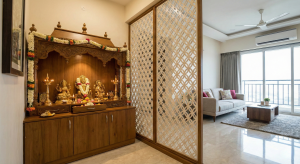
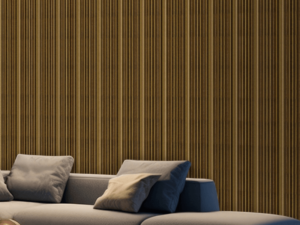
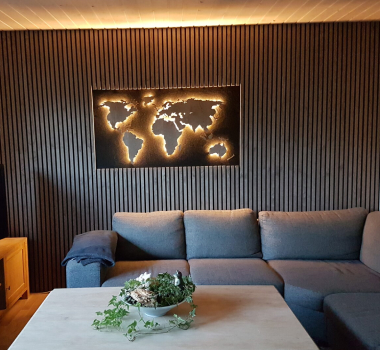
- The TV Unit Backdrop: Use wpc panel work behind your LED unit to hide wiring and add texture.
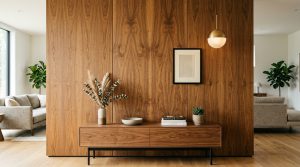
- Commercial Receptions: WPC louvers interior cladding in hotel lobbies or office receptions creates a high-end look without the maintenance cost of wood.
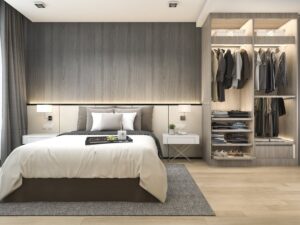
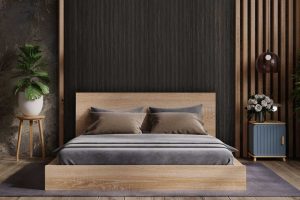
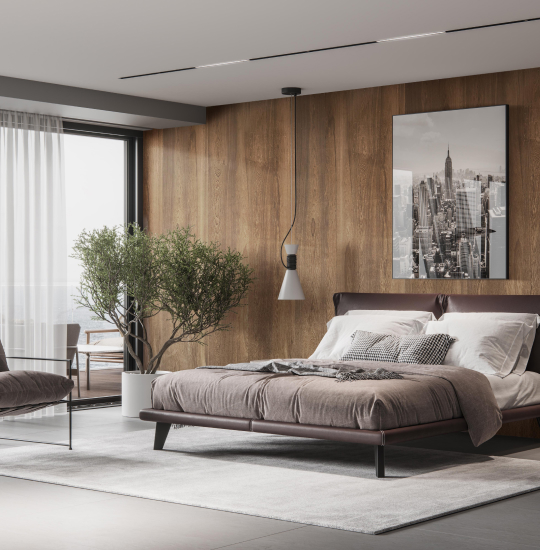
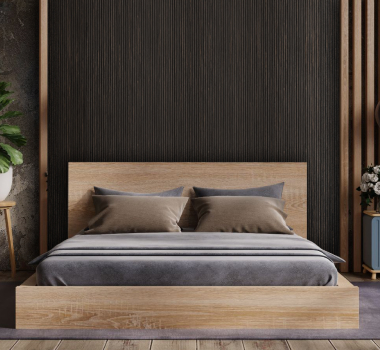
- Bedroom Headboards: Replace cushioned headboards with fixed louvered wall panels for a hygienic, dust-free alternative.
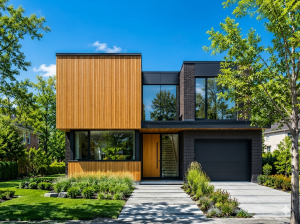
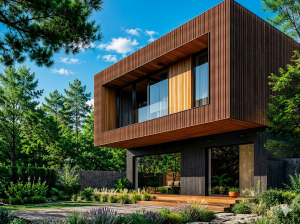
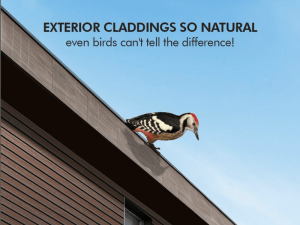
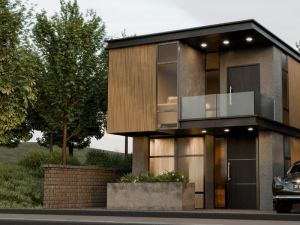
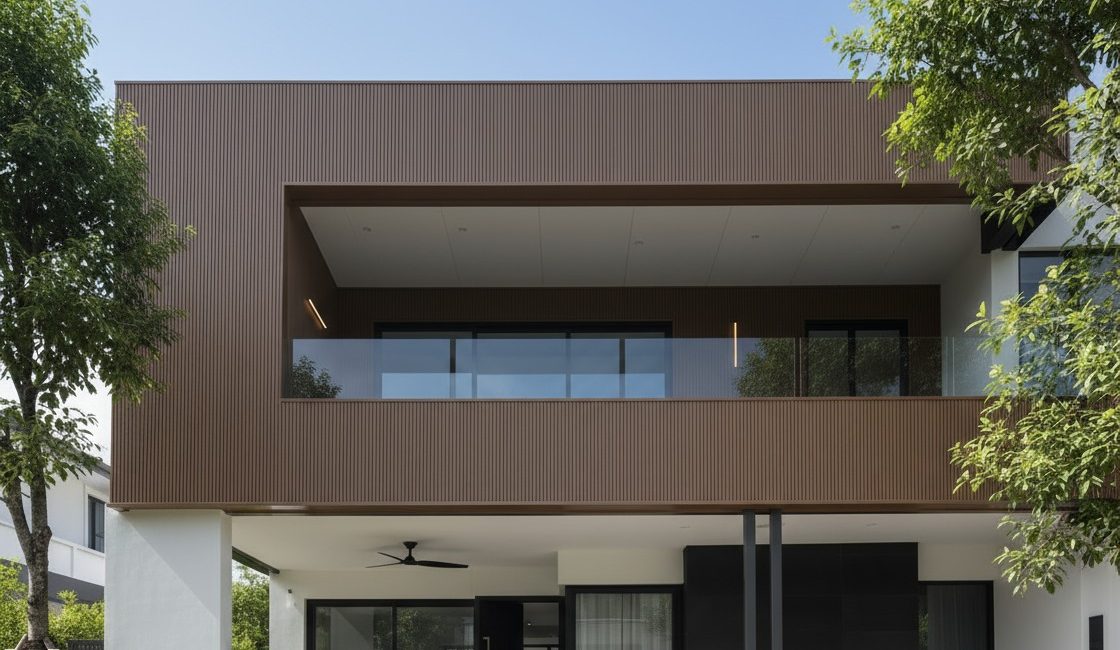
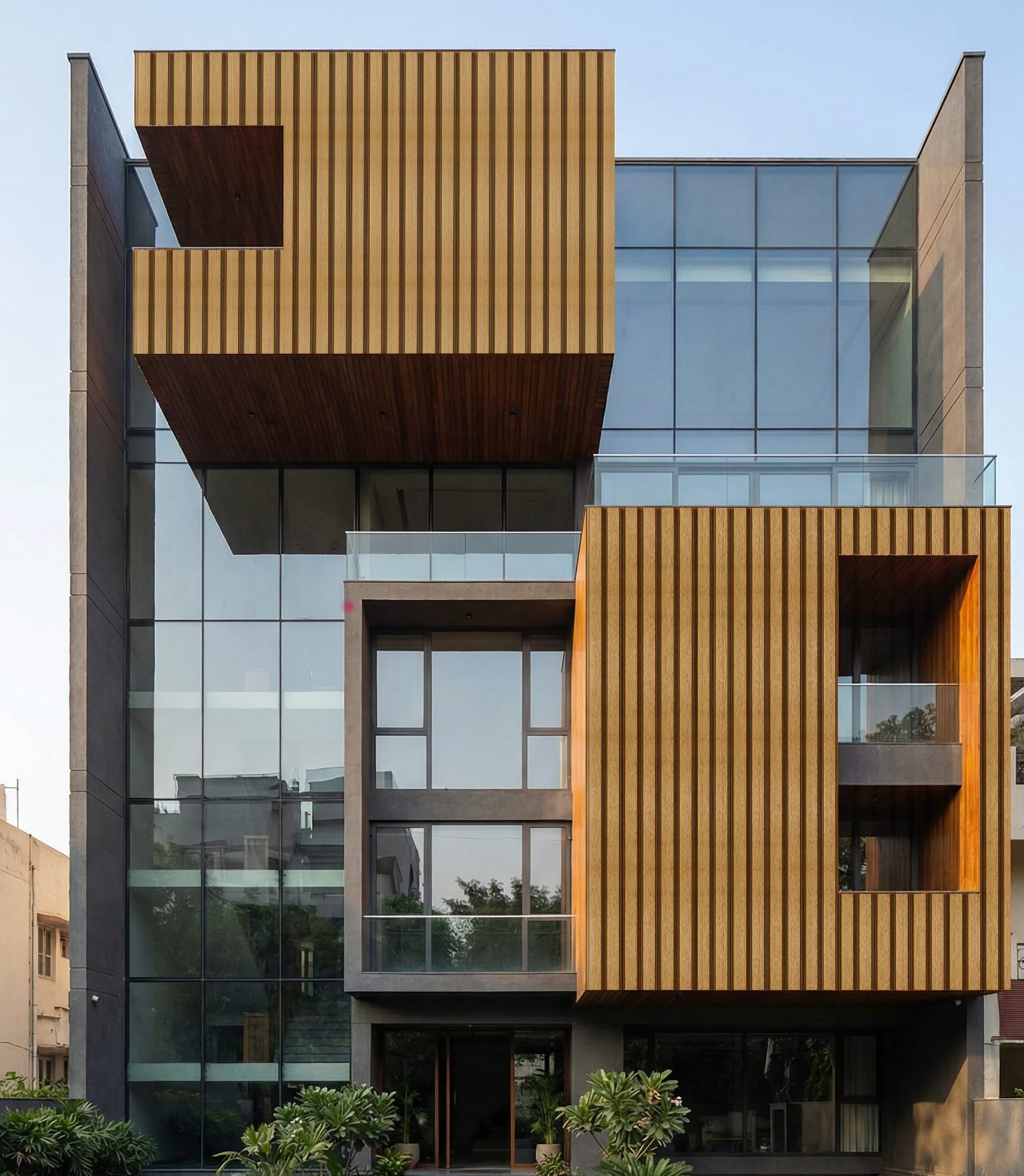
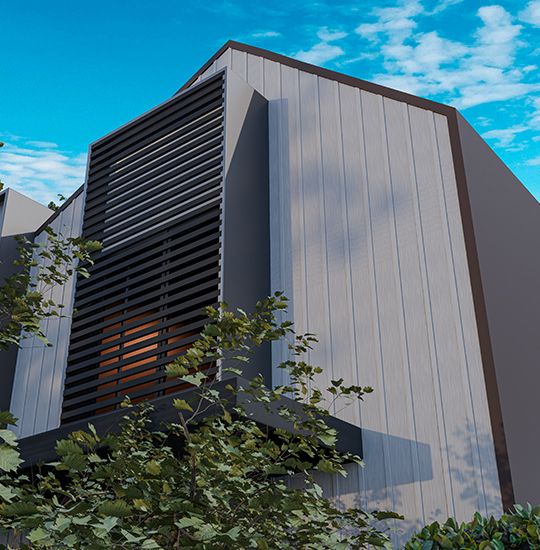
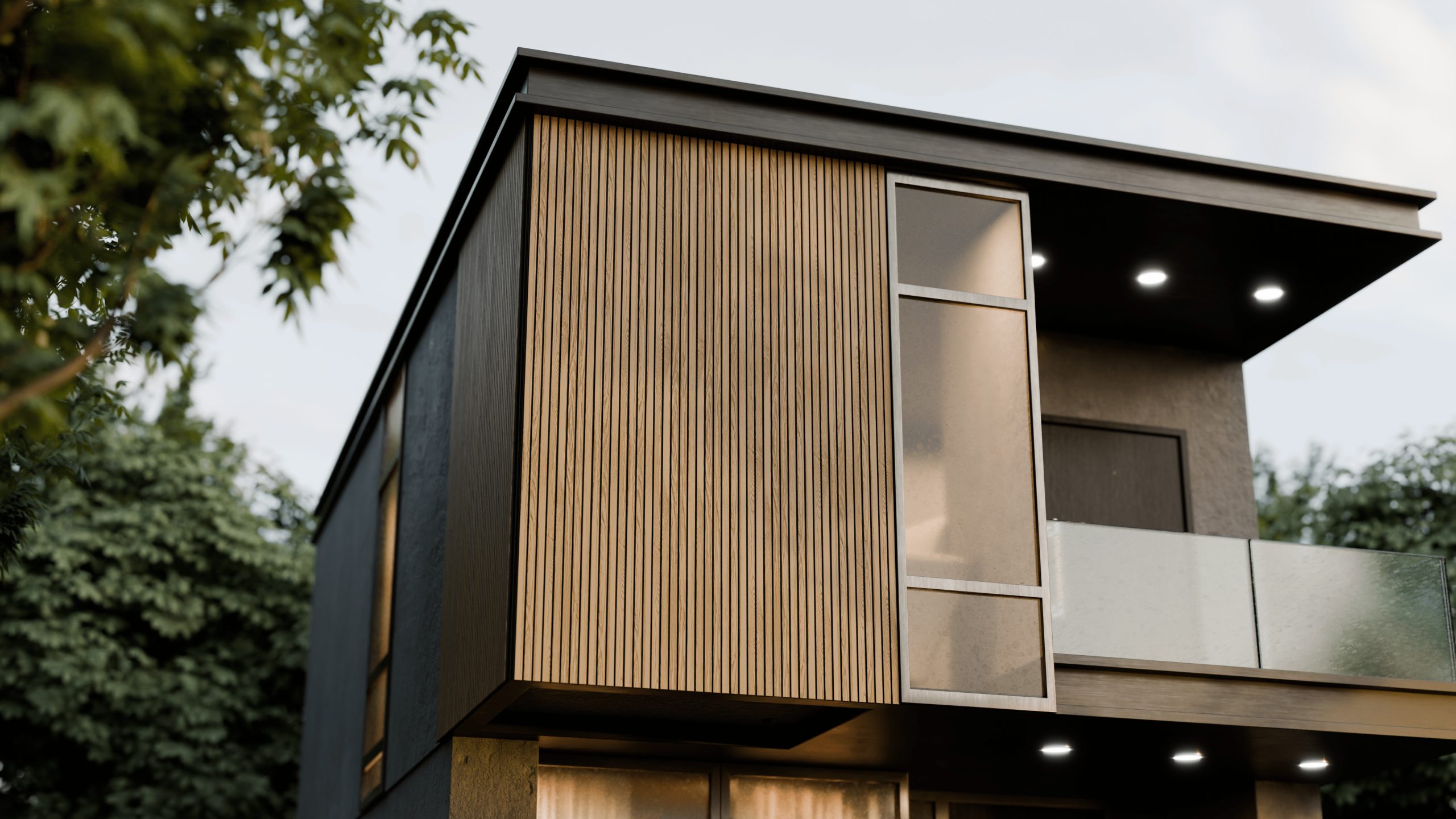
- Exterior Facades: (Note: Use UV-Coated Panels only). Specific wpc louvres designed for exteriors, such as Techklad and Ventura Legnoklad Plus, can withstand sunlight without fading.
Related Read : The Ultimate Guide to Wall Louvers: Design and Installation
How to Fix WPC Wall Panel: A Technical Step-by-Step Guide
WPC fitting requires precision. Unlike simple stickers, these are structural claddings. Follow this engineering-approved method for louver installation on wall surfaces.
Tools Required:
- Circular saw or Jigsaw (for cutting wpc luvers)
- Construction adhesive (High-bond silicone or PU glue like Heptane or Silicon)
- SS (Stainless Steel) Interlocking Clips and Screws
- Spirit Level
Step 1: Surface Preparation & Leveling
Ensure the base wall is plastered, dry, and free of loose paint.
- Pro-Tip for Uneven Walls: If the wall is undulated (uneven), do not paste panels directly. Install a grid of 6mm plywood strips or an aluminum framework first. Screw the wpc louver panels onto this grid to ensure a perfectly flat finish.
Step 2: Measuring and Cutting
Measure your wall louvers area precisely. Cut the panels using a fine-toothed saw to prevent chipping the edges.
Step 3: Interlocking Installation
Most premium wpc panel louvers feature a tongue-and-groove system.
- Apply heavy-duty construction adhesive on the back of the first wpc louver panel.
- Place it at the starting corner. Check vertical alignment with a spirit level.
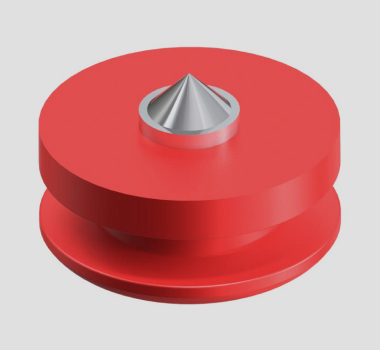
- Insert the metal clip into the groove of the first panel and screw it into the wall (or plywood grid).
- Slot the next louver wpc panel into the groove of the first, covering the clip.
Step 4: Finishing
For corners, use matching wpc louvres edge trims or “L-profiles” to hide the cut ends.
Technical Note: WPC louvers are thermoplastic. They expand with heat. Always leave a 2-3mm expansion gap at the top and bottom skirting to prevent the wpc louver panels from warping during summer.
Common Problems and Solutions
While louvers wpc panel systems are durable, incorrect installation causes issues.
- Warping/Buckling: This happens if how to fix wpc wall panel instructions ignore expansion gaps.
- Solution: Always allow for thermal movement.
- Color Fading: Standard wpc louvers are for interior use. Using them on exterior facades exposed to direct UV will cause fading.
- Solution: Only use UV-coated exterior wpc louvers, like Techklad , for outdoor cladding.
Also Read : Things You Need To Consider When Buying Exterior Wall Cladding
Conclusion
WPC louvers panel systems represent the convergence of aesthetics and civil engineering. They offer a “fit-and-forget” solution for homeowners tired of maintaining expensive wood. Whether you are designing a wpc louvers design for a corporate office or a cozy living room, these panels deliver consistency, fire safety, and class.
Explore the finest range of premium wall panels, including Ventura Legnoklad Plus, Techklad, and Ventura Legnoklad Alpha, at Ventura’s Experience Centre, located in Kirti Nagar, Delhi, the hub of architectural brilliance. Contact us at +91 9717205757 / 9315580079 for further details, or visit our website.
Frequently Asked Questions (FAQs)
1. Can I use WPC louvers on a damp wall?
Yes, WPC louvers are 100% waterproof. However, for severe dampness, it is recommended to treat the source of the leakage first or install the panels on an aluminum grid framework to allow airflow behind the cladding.
2. Can WPC louver panels be painted?
Most WPC louvers interior panels come pre-finished in wood or marble textures and do not require painting. If you wish to change the color later, you must use a specialized PVC primer before applying acrylic or PU paint.
3. What is the life of WPC wall panels?
With proper installation (using clips and adhesive), premium wpc louvers panels can last 15 to 20 years indoors without warping or termite damage.
4. Can I hang a TV directly on the WPC panel?
No. WPC panels are decorative cladding and cannot bear heavy loads. You must anchor the TV mount directly into the brick wall behind the panel using long fastener bolts.
5. How do I clean WPC louvers?
WPC is low maintenance. Dust them regularly with a soft brush or vacuum. For stains, use a mild soap solution and a damp cloth. Avoid harsh chemical cleaners or abrasive scrubbers.
Manish Maheshwari
Position: Founder – Ventura International Pvt Ltd.
Education: IIT Roorkee (B.E. – Mechanical Engineering) and IIM Lucknow (Marketing & Finance)
Manish Maheshwari, the visionary Co-founder of Ventura International. With a background in Engineering from IIT Roorkee and an MBA from IIM Lucknow, his expertise spans across Finance, Economics, and Strategy. At the helm of Ventura’s vision, Manish leads the charge in planning and executing strategies for growth and innovation. His unwavering passion ensures that Ventura sets the bar high, always striving for unparalleled excellence.