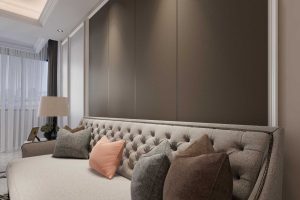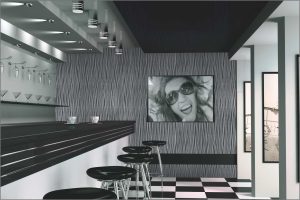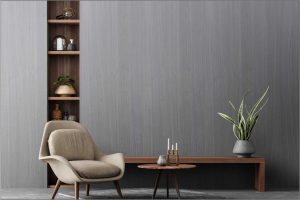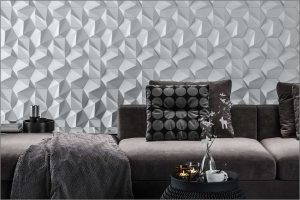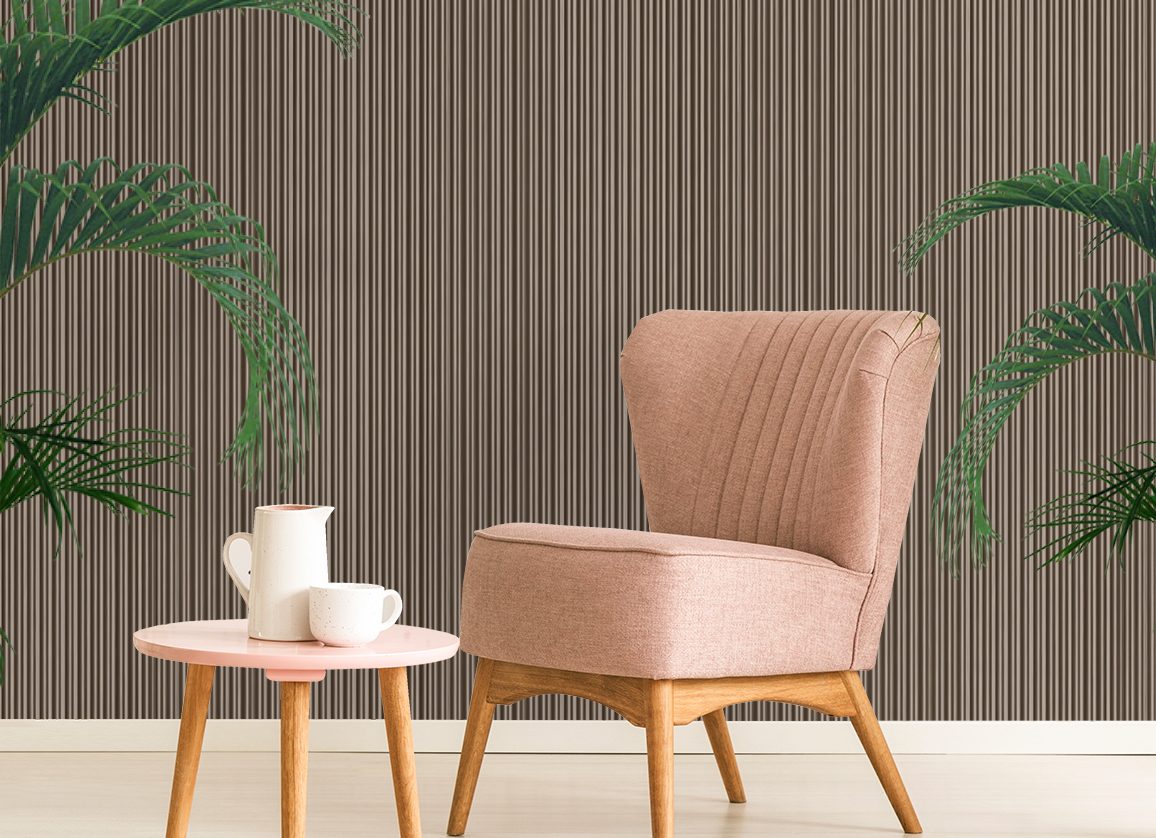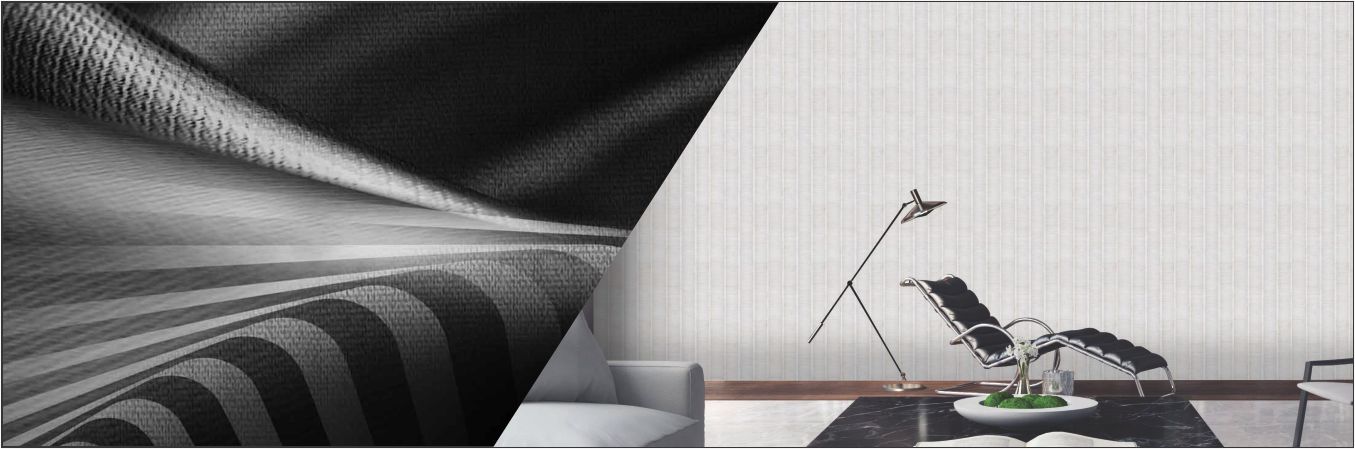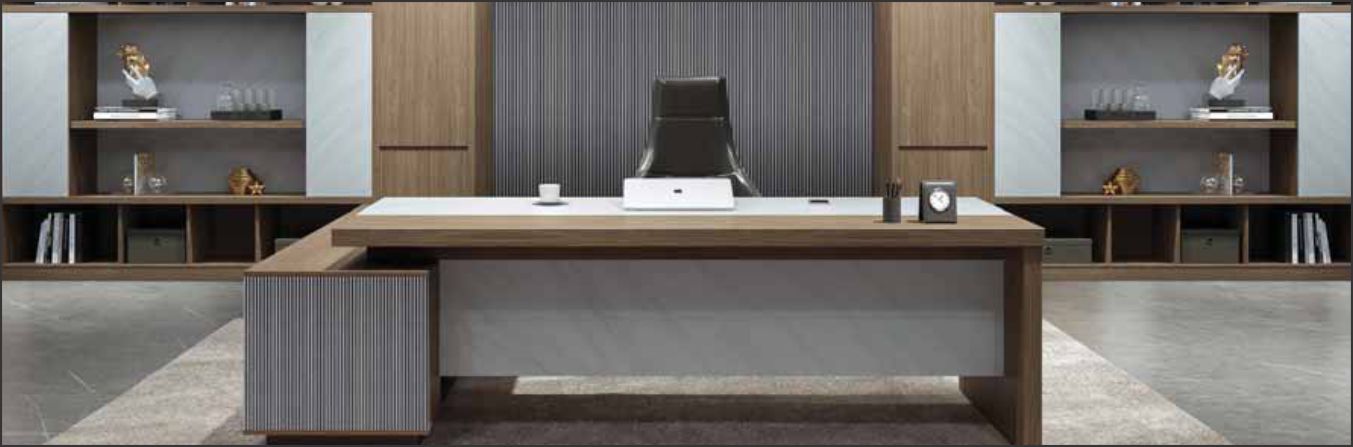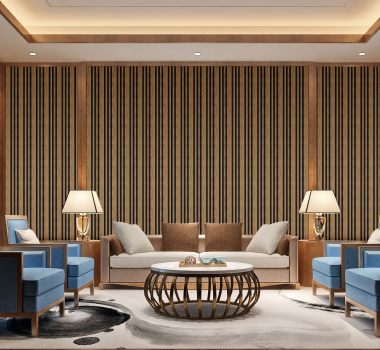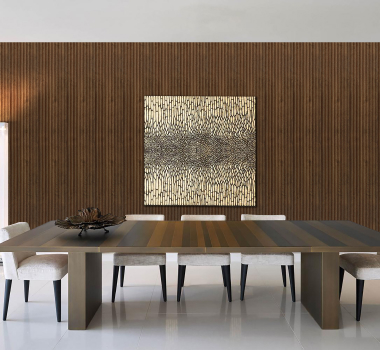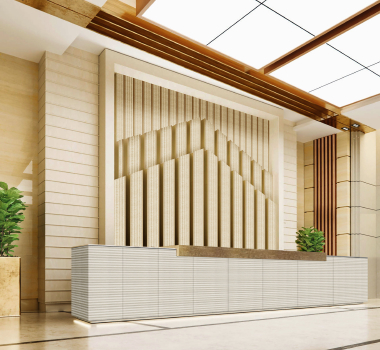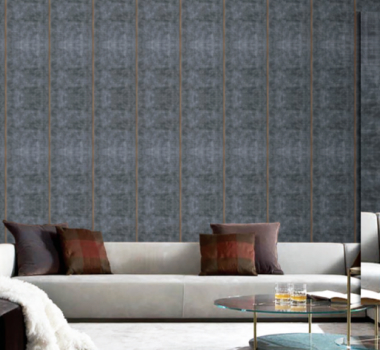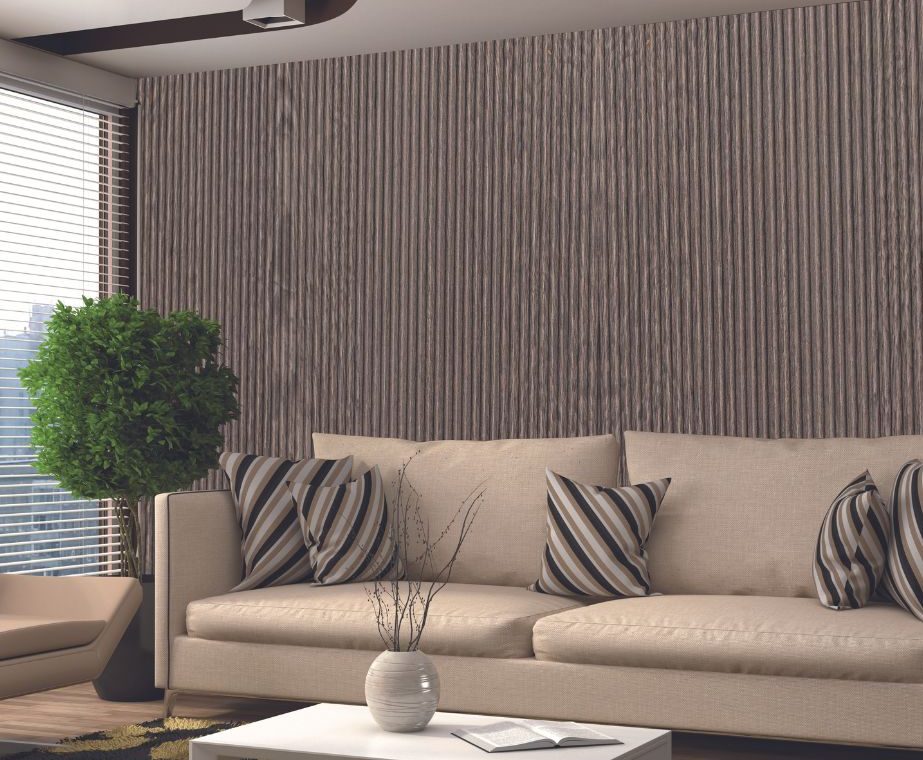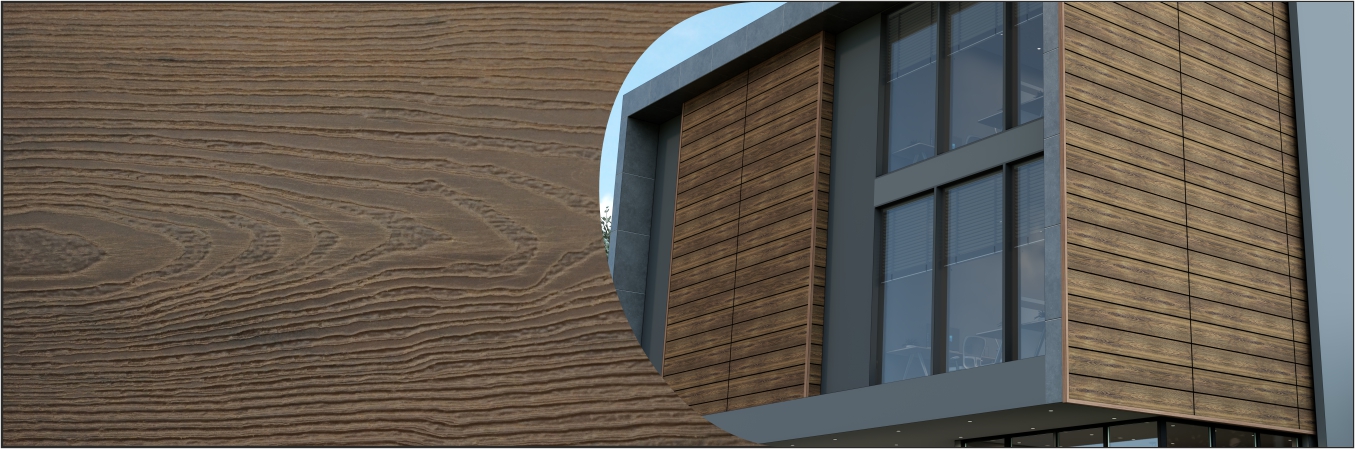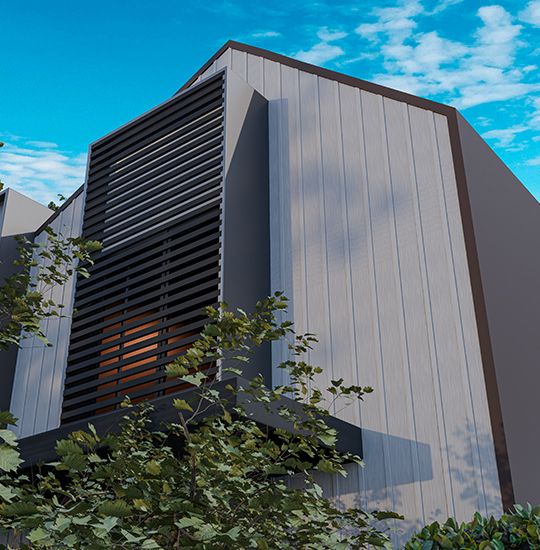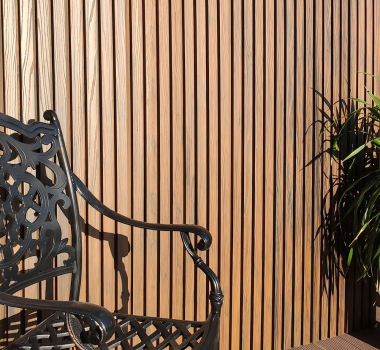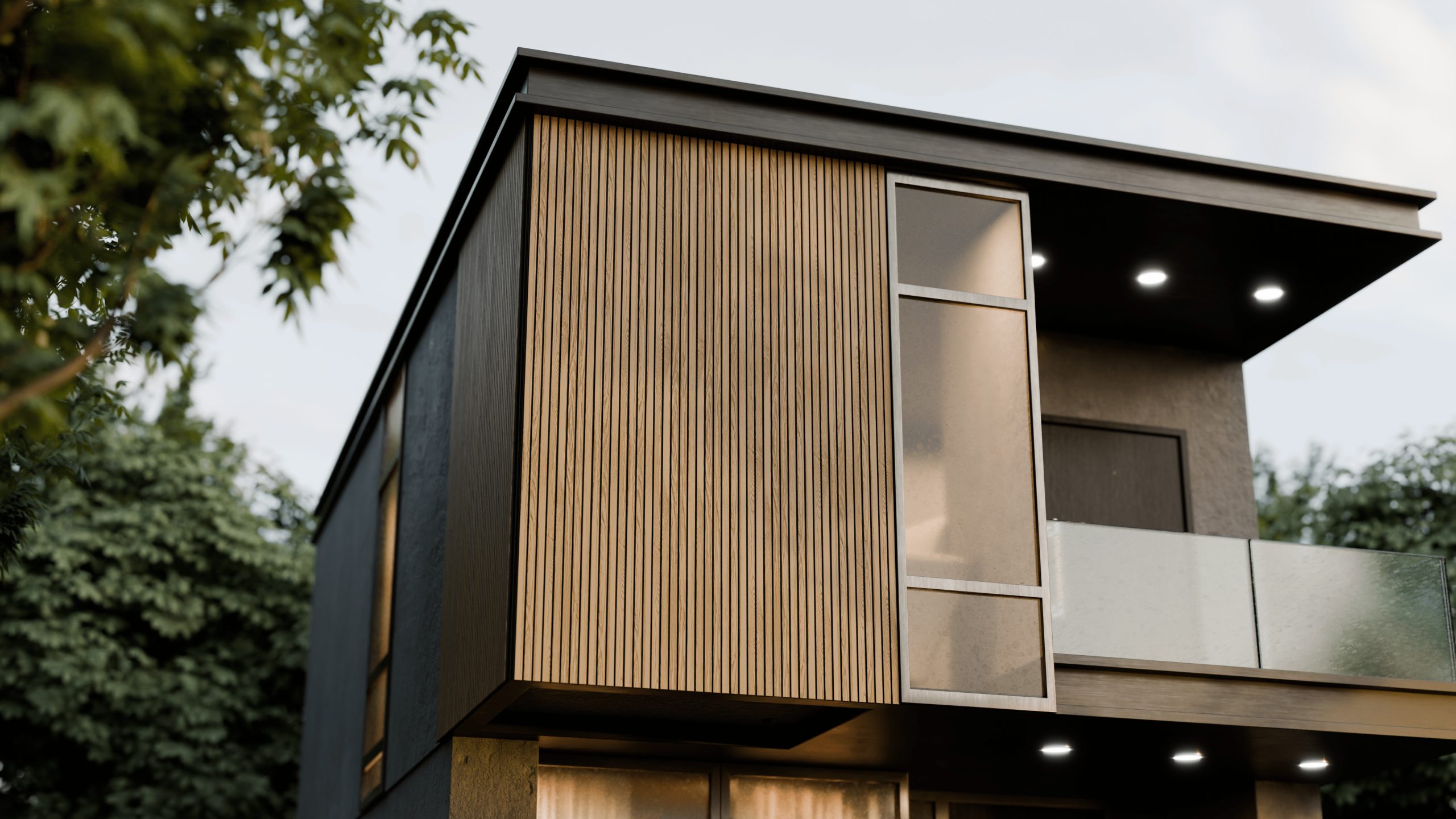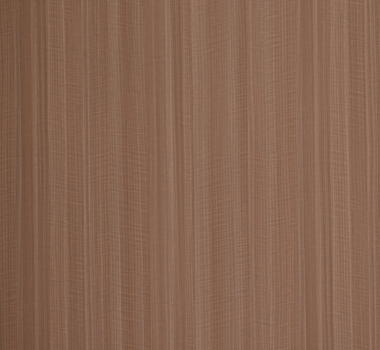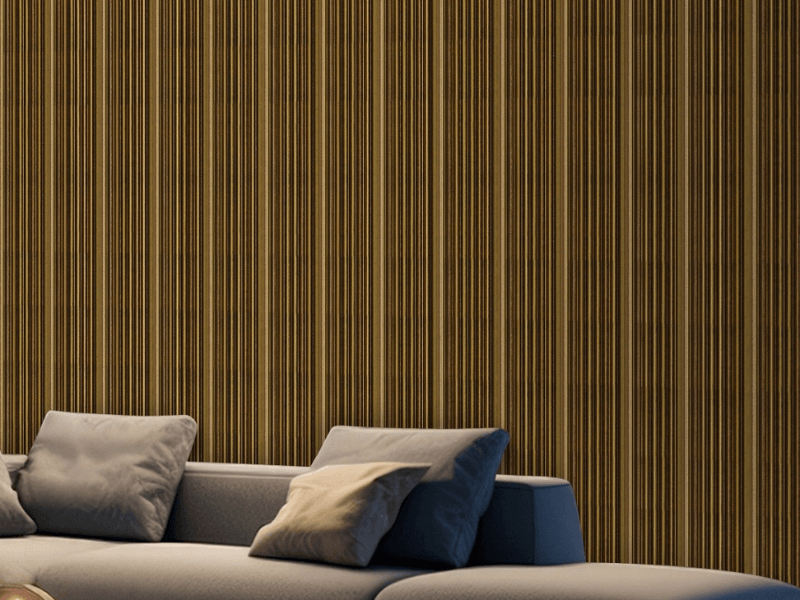
High-density decorative cladding has evolved beyond simple laminates. Among the most trending materials in modern Indian architecture are charcoal wall panels. Often misunderstood as being made of actual charcoal, these are technically engineered High-Density Polystyrene (HDPS) or PVC-based composites that incorporate charcoal dust for strength and odor absorption.
If you are looking for a charcoal sheet design for wall applications that offers the look of liquid metal, wood, or stone without the weight, this guide covers everything from charcoal fluted panels to maintenance.
What Are Charcoal Wall Panels?
Charcoal panels often referred to as charcoal sheets for interior use are decorative substrates used to highlight specific architectural features. Unlike standard laminates (0.8mm), charcoal design sheets are typically thicker (4mm to 6mm) and offer tactile, 3D textures.
Material Composition:
While the market calls them “charcoal sheets,” they are primarily composed of:
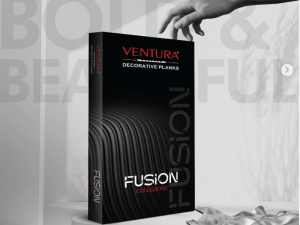
- Polystyrene (PS): Polystyrene (PS): For flexibility and intricate molding (allows for deep 3D embossing). This premium Polystyrene material is the foundation of the Ventura Legno collection, Ventura Ikon collezione, Ventura Fabrika collezione, and Ventura Fusion collection.
- Charcoal Powder: Added to the core to reduce toxicity and improve stability.
- Protective Layer: A UV or scratch-resistant top coat.
Types of Charcoal Design for Wall
To choose the right charcoal panel design, you must distinguish between the two main categories available in the market:
1. Charcoal Sheets (Decorative Laminates)
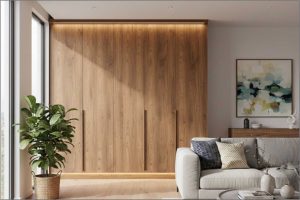
These are thin, flexible sheets used primarily on furniture, wardrobes, and charcoal wall design highlights.
- Usage: Best for wardrobe shutters, TV unit backdrops, and pillar cladding.
- Key Feature: They can bend up to 90 degrees without breaking, making them ideal for curved surfaces.
Related Read : Stylish TV Unit Design Ideas with Laminates for a Modern Living Room
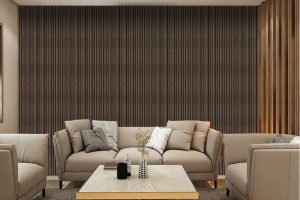
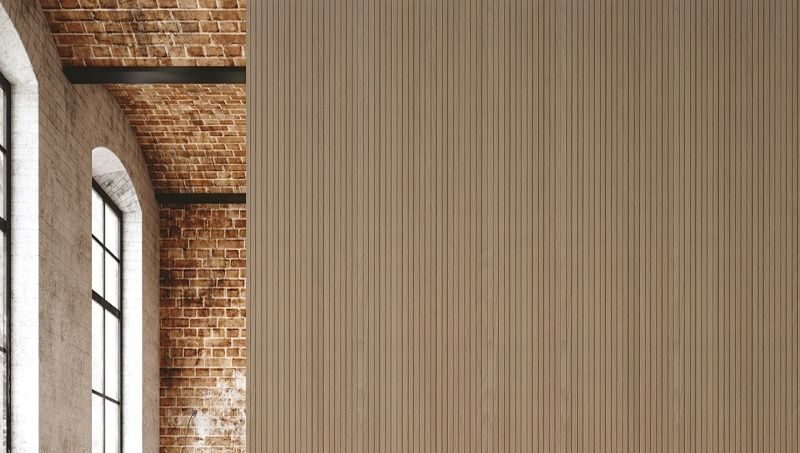
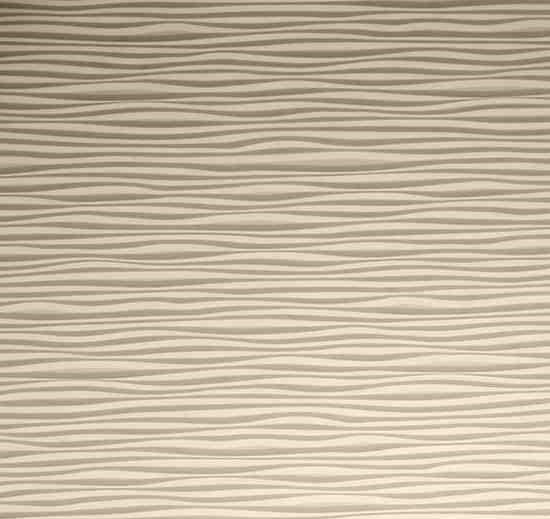
2. Charcoal Fluted Panels (Louvers)
These are rigid, interlocking panels featuring vertical grooves.
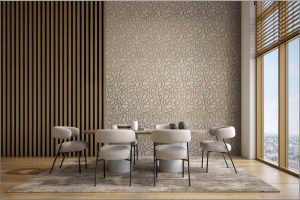
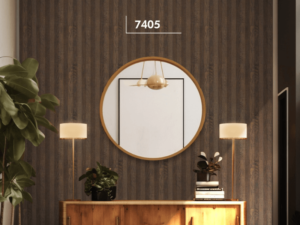
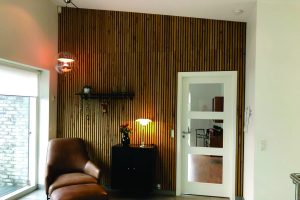
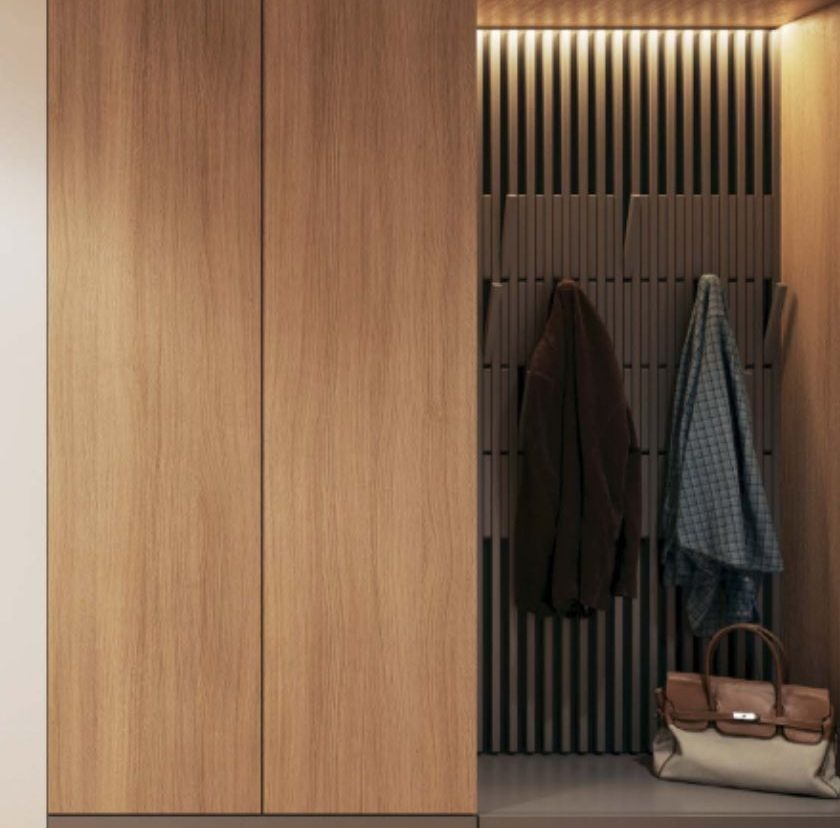
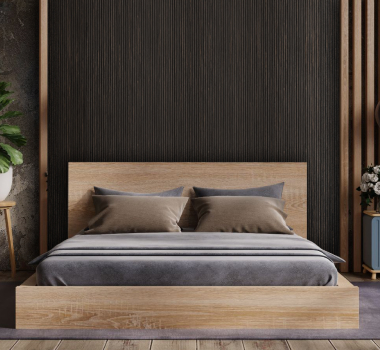
- Design: The charcoal fluted panel mimics the look of solid wood louvers but is completely waterproof.
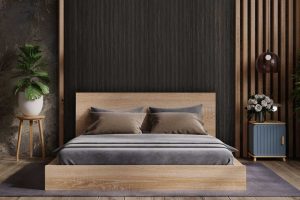
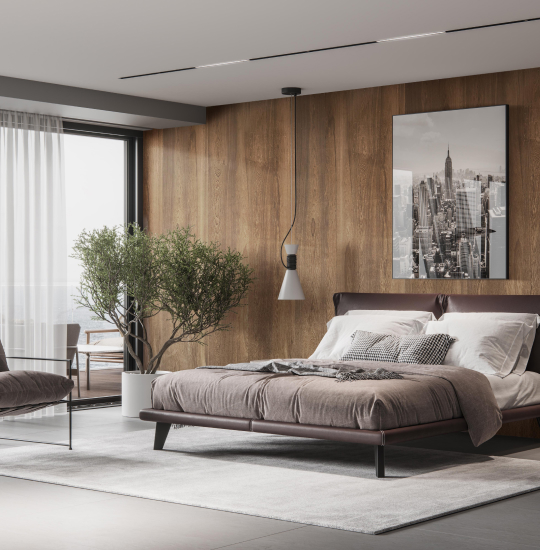
- Usage: Full charcoal wall panel cladding for living rooms, bed headboards, and moisture-prone areas.
- Key Feature: The interlocking system hides screws and joints completely.
Texture Guide: Exploring Finishes
Competitors often list vague textures. Here is what you actually get in the Indian market:
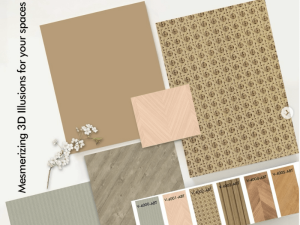
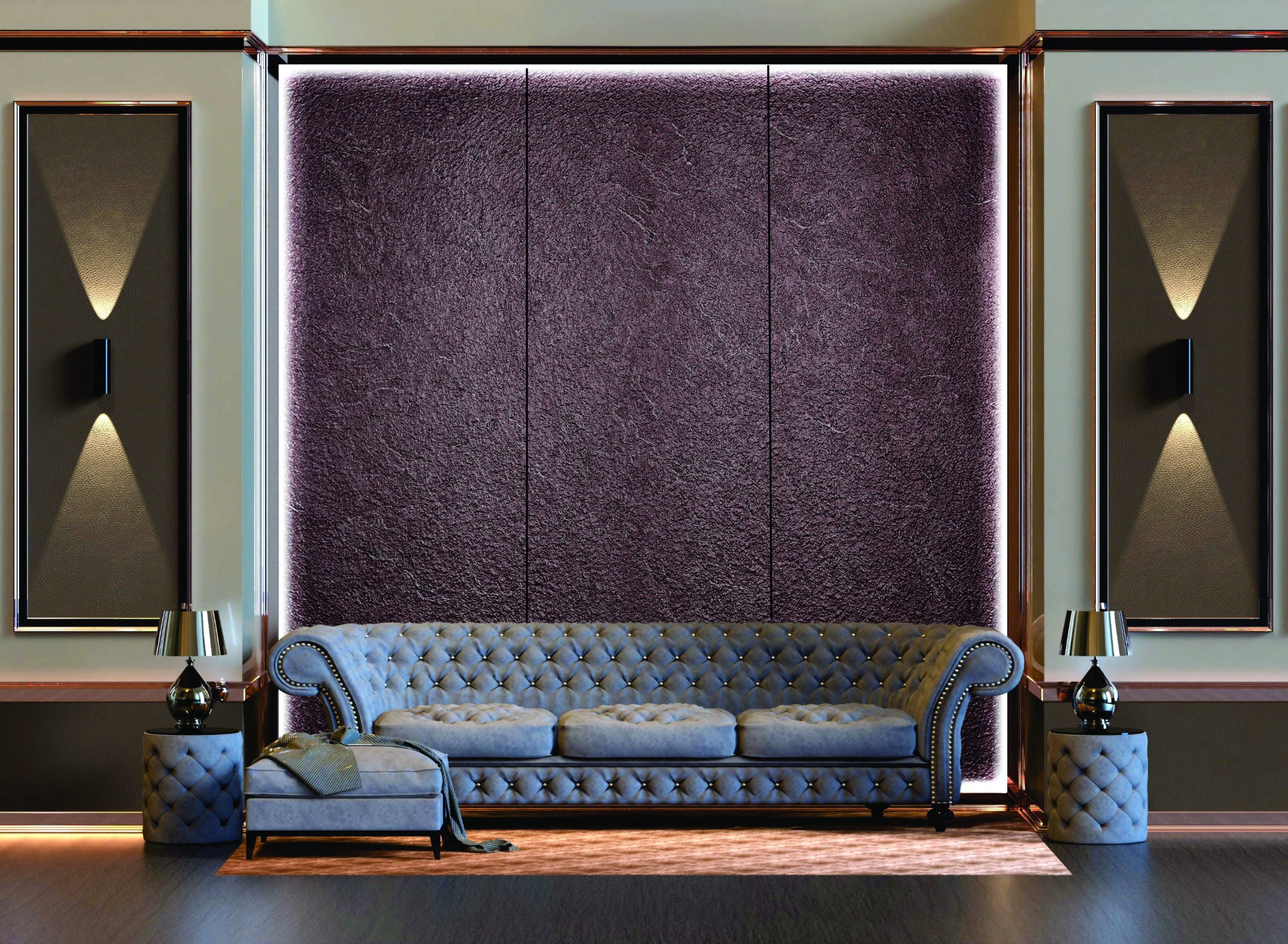
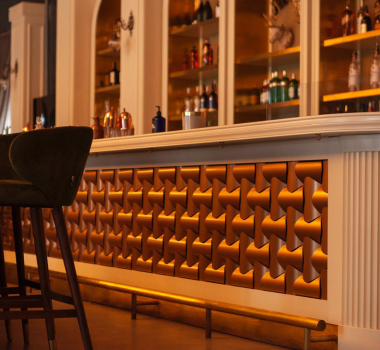
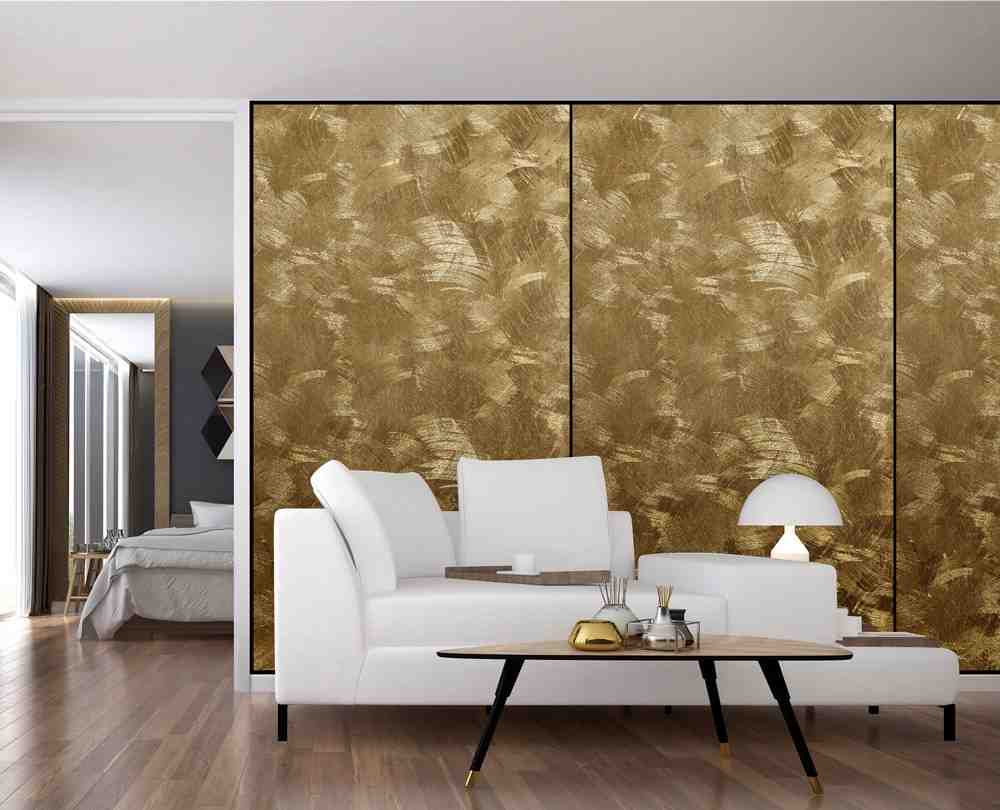
- Metallic Series: Mimics liquid gold, copper, or rose gold. Perfect for a carbon sheet for wall accents.
- Mirror Finish: High-gloss reflective surfaces that make small rooms look larger.
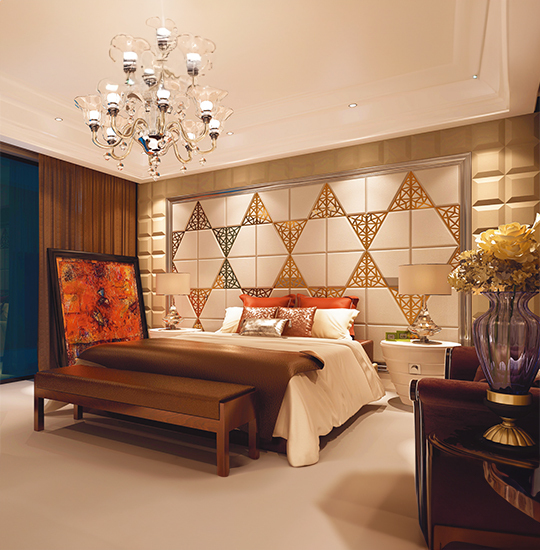
- Leather & Fabric: 3D embossed textures that feel soft to the touch but are rigid.
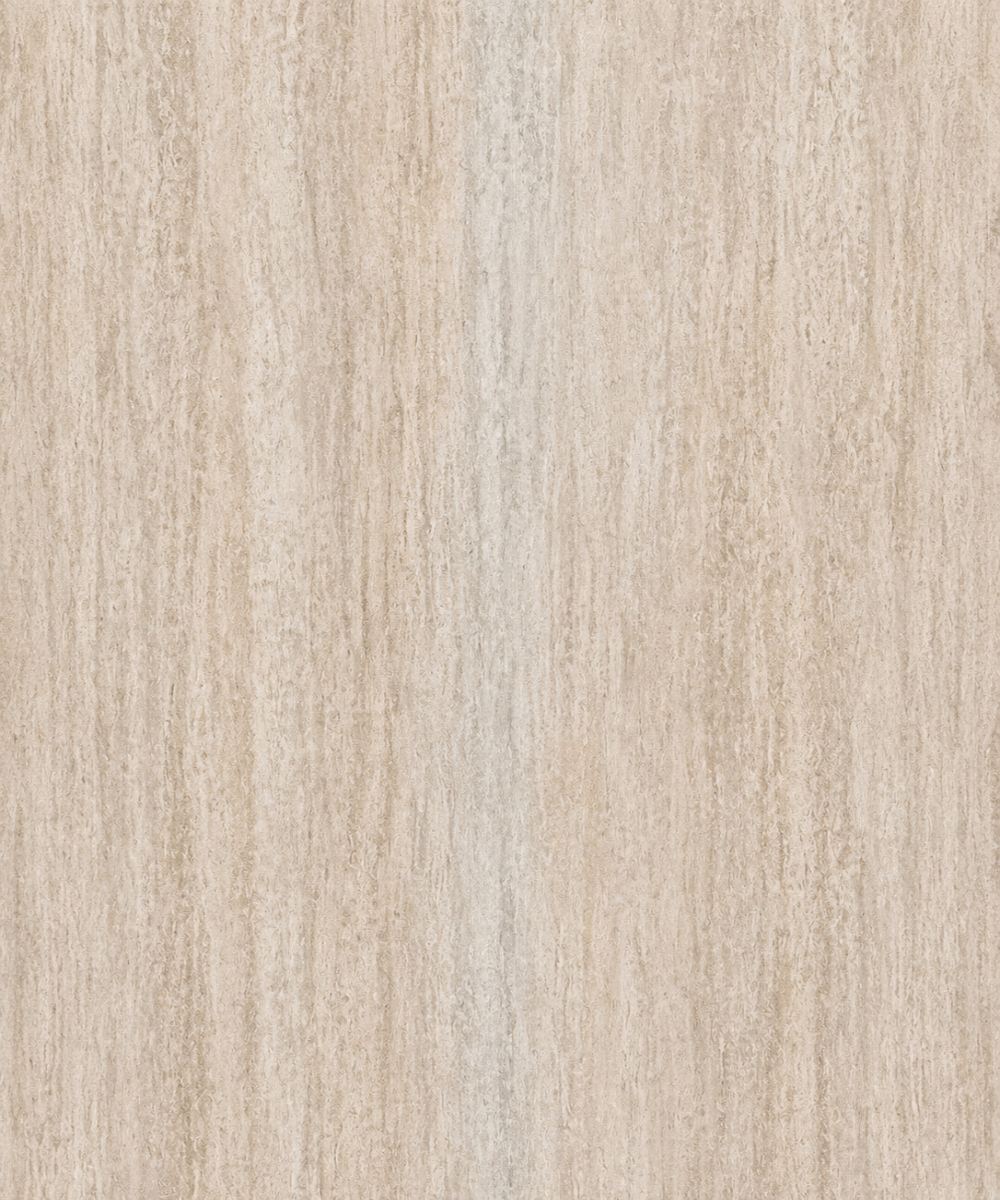
- Stone & Concrete: Raw, matte finishes for an industrial charcoal wall look.
Related Read : Enhancing Your Space with Charcoal Fluted Panels: A Modern Trend
Technical Specifications (Standard Indian Sizes)
Knowing the correct size prevents wastage during installation.
| Specification |
Charcoal Sheets |
Charcoal Louvers/Flutes
|
|
Standard Size
|
8 ft x 2 ft / 8 ft x 4 ft |
9.5 ft x 5 inches
|
|
Thickness
|
4mm – 6mm |
12mm – 24mm
|
| Material Core |
Polystyrene (Flexible) |
HDPS / PVC (Rigid)
|
|
Flexibility
|
High (Bends 90°) |
Low (Rigid)
|
Benefits of Charcoal Panels for Wall
Why are architects shifting from veneer to charcoal wall panels?
- Water & Damp Proof: Unlike MDF or wood, charcoal sheets for wall applications are impervious to moisture. This makes them the #1 choice for Indian homes facing wall seepage (dampness) issues.
- Termite Resistant: Being synthetic, charcoal panels are inherently anti-termite.
- Aesthetics: They offer distinct visual depth. A charcoal sheet texture can mimic the raw unevenness of stone or the precision of geometric metal.
- Toxic-Free: High-quality panels are free from formaldehyde and heavy metals, making them safe for residential interiors.
YMYL Safety Note: While charcoal panels are durable, most are NOT Class-A Fire Rated. Do not install charcoal sheets directly behind a gas hob or fireplace, as high heat can cause the polystyrene to deform or melt. Always use a fire-retardant substrate in these zones.
Popular Charcoal Wall Design Trends
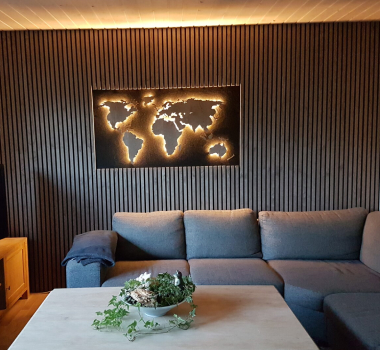
- The “Invisible” TV Unit: Use dark, matte charcoal fluted panels behind your LED TV. The dark grooves absorb light, making the screen pop and hiding messy cables.
- Wardrobe Transformation: Paste 4mm charcoal sheets on old plywood wardrobe shutters to give them a modern, expensive look instantly.
- Curved Pillars: Since charcoal sheets are flexible, wrap them around circular structural columns in the living room to turn an eyesore into a feature.
How to Install Charcoal Wall Panels Easily
Installing a charcoal panel requires different adhesives than standard laminate.
Tools Required:
- PU Adhesive (Polyurethane) or High-Bond Silicone. (Do not use Fevicol/White Glue as it won’t bond with plastic).
- Masking Tape.
- Circular Saw (for fluted panels) or Diamond Cutter (for sheets).
Step-by-Step Installation:
- Surface Prep: Ensure the plywood or plastered wall is dust-free. Charcoal sheets usually require a plywood or MDF backing for the best finish.
- Cutting: Measure your charcoal panel wall design area. Cut the sheet from the back side to avoid chipping the decorative face.
- Adhesive Application: Apply the silicone/PU adhesive in a zig-zag pattern on the back of the sheet.
- Fixing: Press the sheet onto the surface. Use masking tape to hold it in place for 4-6 hours until the adhesive cures.
- Finishing: Crucial Step: Peel off the transparent protective film only after the installation is complete to avoid scratches during the process.
Charcoal Panels vs. Traditional Materials
| Feature |
Charcoal Panels |
Paint/Wallpaper |
Natural Wood
|
|
Texture
|
High (3D Depth) |
Low (Flat) |
High
|
|
Waterproof
|
100% (Polystyrene) |
No |
No (Absorbs Moisture)
|
|
Installation
|
Quick (Adhesive) |
Quick |
Slow (Polishing needed)
|
|
Maintenance
|
Wipe Clean |
Repaint often |
Polishing required
|
| Flexibility |
High (Bendable) |
N/A |
Low (Rigid)
|
Maintenance Tips for Charcoal Sheet Wall Design
- Cleaning: Use a soft microfiber cloth. For charcoal sheet texture with deep grooves, use a vacuum brush.
- Chemicals: Avoid Acetone, thinners, or harsh scrubbers as they can dull the glossy finish of carbon sheet for wall designs.
- Scratches: While durable, the surface can scratch. Avoid sharp objects impacting the charcoal design for the wall.
Also Read: How to Choose the Right Fluted Panels for Your Home’s Interiors?
Conclusion
Charcoal wall panels are a powerful tool for transforming ordinary spaces. Whether you choose a rigid charcoal fluted panel for a seepage-prone wall or a flexible charcoal sheet design for a wardrobe renovation, these materials offer the perfect balance of durability and aesthetics.
Where to Buy: Explore the finest range of charcoal panels and architectural surfaces at Ventura’s Experience Centre.
Frequently Asked Questions (FAQs)
1. What are charcoal wall panels?
Charcoal wall panels are a versatile and stylish wall-cladding option that adds sophistication, depth, and texture to interior spaces. They are commonly used in living rooms, offices, bedrooms, and feature walls. Charcoal panels are available in two main types: charcoal louvers and charcoal decorative wall panels, both designed to enhance aesthetics while offering functional benefits such as improved ambiance and surface durability.
2. Which is better, PVC or charcoal?
Neither PVC nor charcoal panels are inherently better; they serve different purposes.
- PVC Panels are cost-effective, lightweight, and highly water-resistant, making them ideal for moisture-prone areas.
- Charcoal Panels offer a more premium, natural texture with added benefits like odor absorption and improved indoor air quality, but they can be costlier and less moisture-resistant.
- PVC Charcoal Panels (Composite Panels) combine the advantages of both PVC’s water resistance and charcoal’s texture and aesthetic appeal making them a popular modern choice.
The right option depends on your budget, desired finish (natural texture vs. glossy look), and functional needs (moisture resistance vs. air-purifying properties).
3. What are the disadvantages of charcoal sheets?
The main disadvantage of charcoal sheets is light absorption. Their darker tones can make rooms appear smaller and less bright, especially in spaces with limited natural light. Because of this, careful lighting placement and design planning are essential when using charcoal panels to maintain a balanced and well-lit interior.
4. What is a charcoal panel made of?
Charcoal panels are primarily made of High-Density Polystyrene (HDPS) mixed with charcoal dust components. This composition makes them waterproof, termite-proof, and flexible.
5. Can charcoal sheets be used on damp walls?
Yes, charcoal wall panels are waterproof. However, for severe dampness, it is recommended to treat the source of the leakage first or mount the panels on a waterproof ply framework to allow airflow.
6. Are charcoal panels heat resistant?
They are heat resistant up to moderate temperatures but are not fireproof. Avoid installing charcoal design sheets near open flames or high-heat zones like stovetops.
7. Can I use charcoal sheets for exterior walls?
Standard charcoal sheets for interior use are not UV stable and will fade in direct sunlight. For exteriors, you must use specific UV-coated exterior grade cladding.
8. How do I cut a charcoal sheet?
You can cut thin charcoal sheets using a heavy-duty paper cutter (scoring and snapping) or a circular saw with a fine-toothed blade for thicker charcoal fluted panels.
9. Which are the best options for home interior walls, PVC panels or tiles, and why?
PVC panels are cost-effective, waterproof, and easy to maintain, making them ideal for wet areas. Tiles offer better durability and a premium look, suited for high-traffic spaces. The best choice depends on budget, aesthetics, and usage.
Manish Maheshwari
Position: Founder – Ventura International Pvt Ltd.
Education: IIT Roorkee (B.E. – Mechanical Engineering) and IIM Lucknow (Marketing & Finance)
Manish Maheshwari, the visionary Co-founder of Ventura International. With a background in Engineering from IIT Roorkee and an MBA from IIM Lucknow, his expertise spans across Finance, Economics, and Strategy. At the helm of Ventura’s vision, Manish leads the charge in planning and executing strategies for growth and innovation. His unwavering passion ensures that Ventura sets the bar high, always striving for unparalleled excellence.